


The Importance of Breathing in Yoga
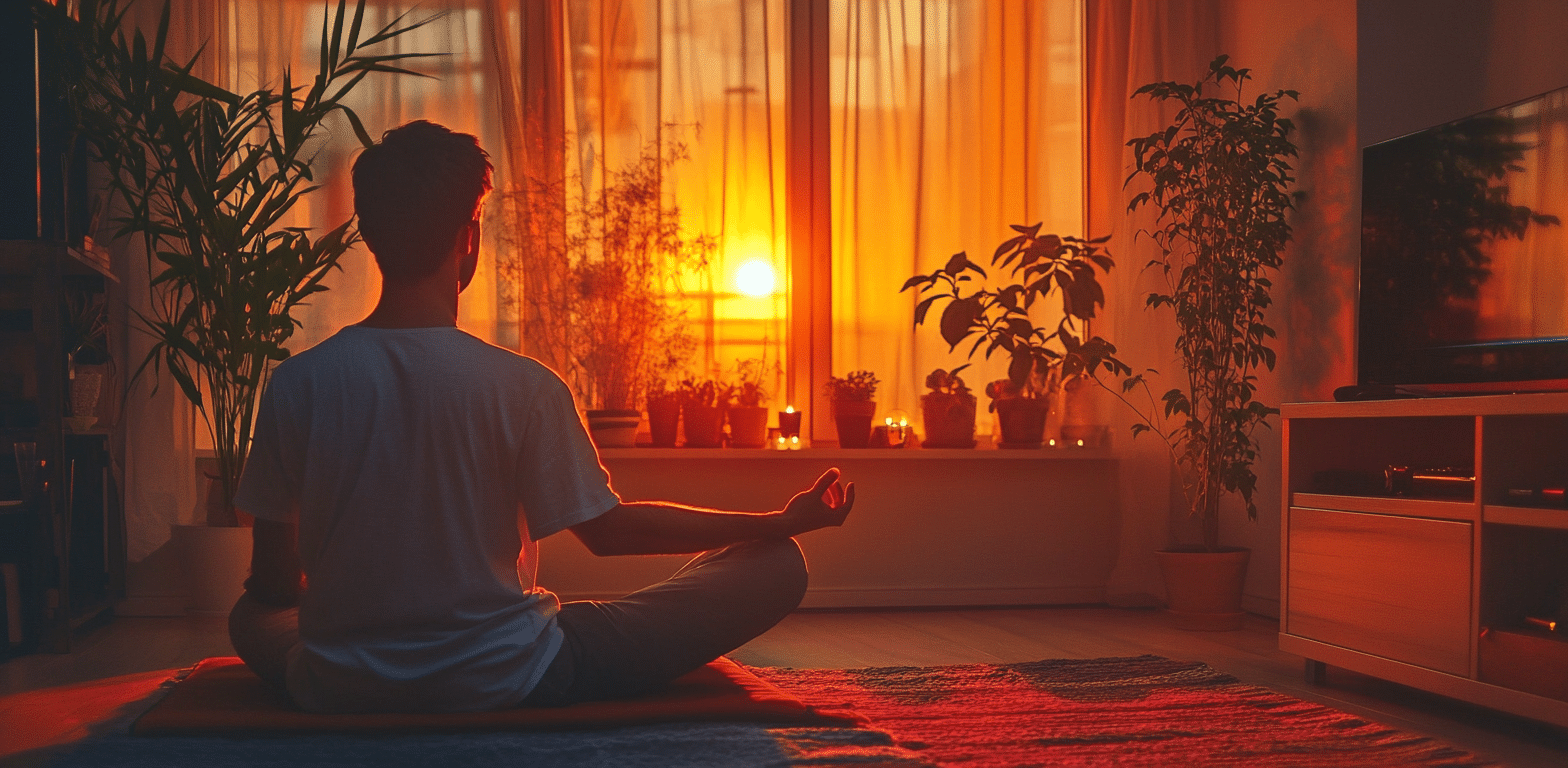
Breathing is a fundamental process that we often underestimate in our daily lives. However, in the context of yoga, breathing takes on even greater importance. In this article, we will explore in depth three fundamental facts about breathing in the context of yoga, and how these principles can transform our practice and our understanding of ourselves.
1. The Relationship Between Breathing and Longevity
Ancient yogis had a unique view on the relationship between breathing and longevity. Rather than measuring life in years, they measured the number of breaths a person took over the course of their existence. They observed that animals with slow breathing lived longer than those with rapid breathing. This principle applies equally to human beings.
The idea behind this is that a slow, deep breath has a calming effect on the nervous system, which in turn can slow the heartbeat and promote relaxation. This slower, more measured breathing rhythm can help reduce stress and anxiety, factors that have been associated with greater longevity.

In a study published in The Journal of Alternative and Complementary Medicine (vol. 22, no. 3, March 2016), titled "Slow Breathing Practice Reduces Hypertension: A Randomized Controlled Trial," it was found that the practice of slow breathing was effective in reducing arterial hypertension in participants after just eight weeks of practice. This finding supports the idea that conscious breathing can have a significant impact on cardiovascular health and potentially increase longevity.
2. The Influence of Breathing on Mental and Emotional State
The connection between breathing and mental state and emotional state is deep and significant. It has been observed that the way we breathe can directly affect our mood and our ability to deal with stress and difficult emotions.
When we breathe in a shallow and rapid way, we are more likely to experience anxiety and agitation. On the other hand, slow, deep breathing can induce a sense of calm and balance. This is because deep breathing stimulates the parasympathetic nervous system, which is responsible for inducing relaxation and calm.

In yoga, we learn to cultivate conscious, deep breathing through Pranayama techniques and connection with the diaphragm. The diaphragm is the primary breathing muscle and acts as a pressure pump that drives air in and out of the lungs. By learning to breathe with the diaphragm, we can promote deeper, more effective breathing, which in turn can have a positive impact on our mental and emotional state.
3. The Power of the Diaphragm in Breathing
The diaphragm is a unique and powerful muscle that plays a fundamental role in the breathing process. It is a dome-shaped membrane that separates the thoracic cavity from the abdominal cavity. When we inhale, the diaphragm contracts and descends, allowing the lungs to fill with air. When we exhale, the diaphragm relaxes and rises, allowing air to leave the lungs.
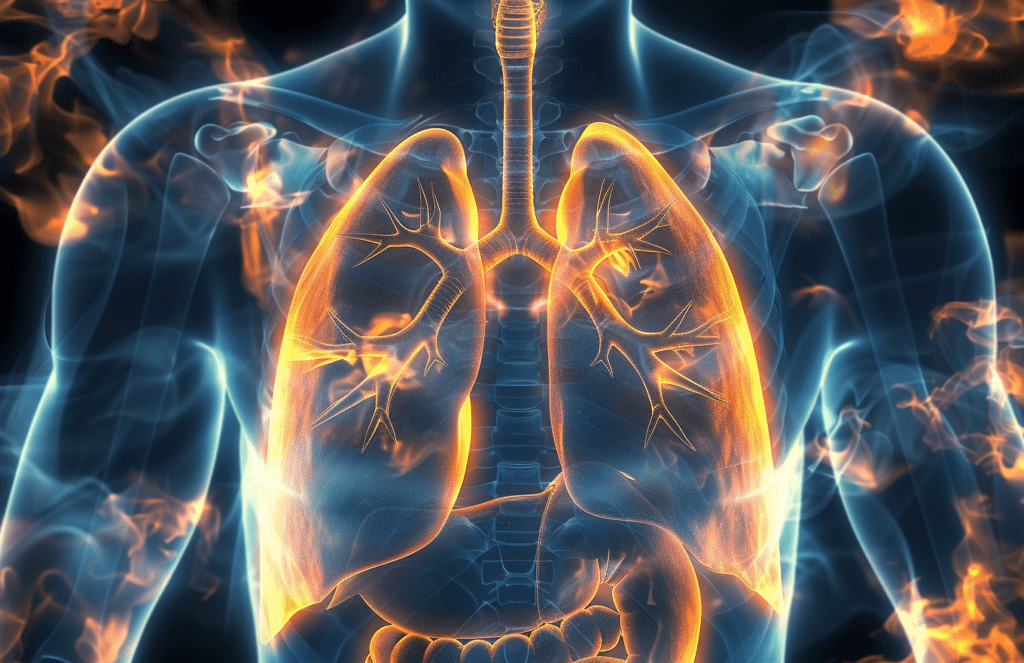
The diaphragm is the largest and strongest muscle in the human body, and its function is essential for effective breathing. Deep diaphragmatic breathing has been shown to improve the oxygenation of tissues, reduce fatigue and promote relaxation.
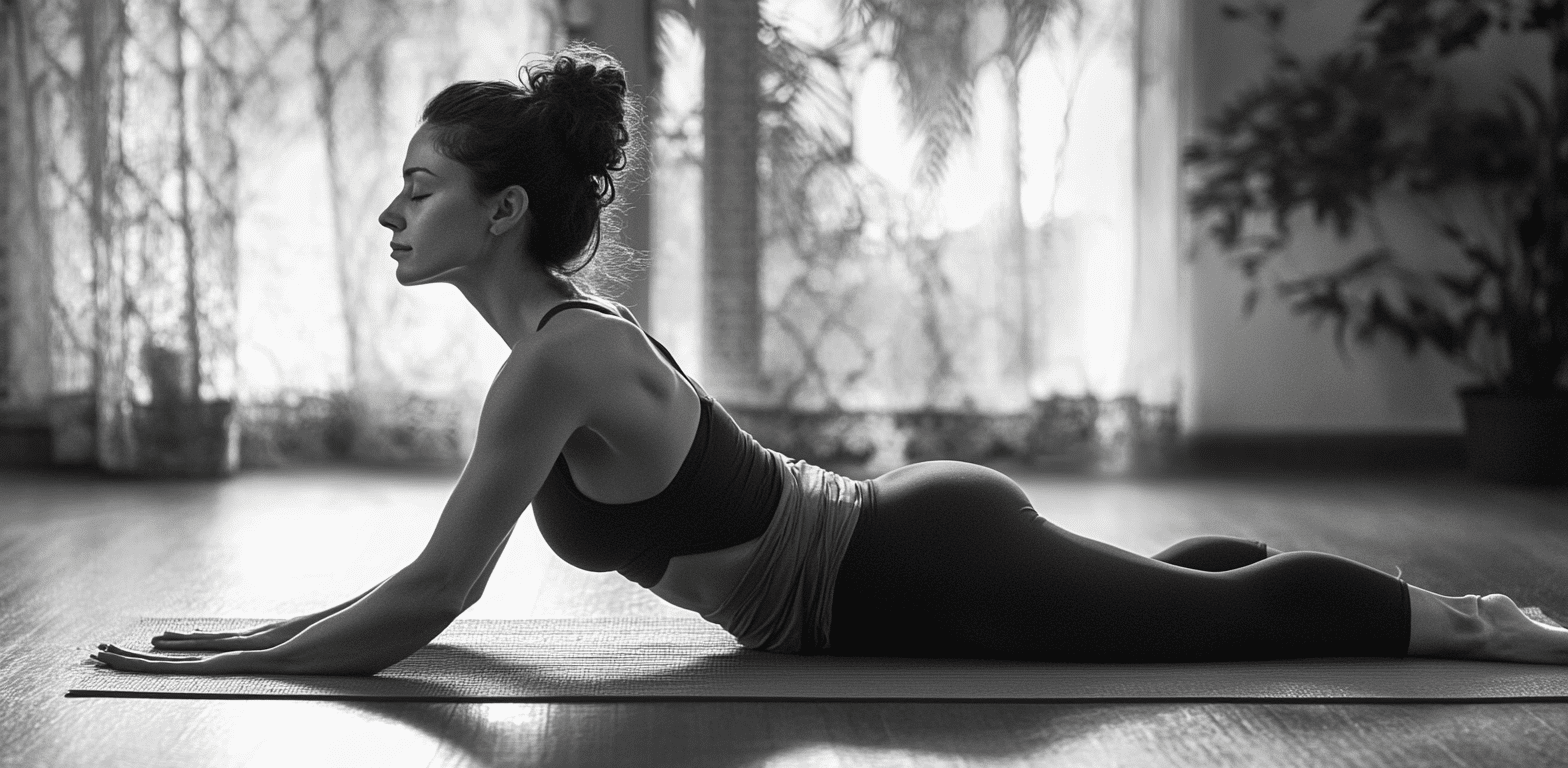
In yoga, we focus on developing conscious, deep diaphragmatic breathing through specific techniques of pranayama and asana. By learning to use the diaphragm effectively, we can improve our ability to breathe efficiently and promote a sense of calm and balance in both body and mind.
Conclusion
Breathing is much more than a physiological process; it is a powerful tool for improving our physical, mental and emotional health. By understanding and practicing conscious breathing techniques, we can cultivate a greater sense of well-being and balance in our lives. Whether through the practice of Pranayama, connection with the diaphragm, or simply paying attention to our breathing in everyday life, we can harness the transformative power of breath to live a fuller, more conscious life.