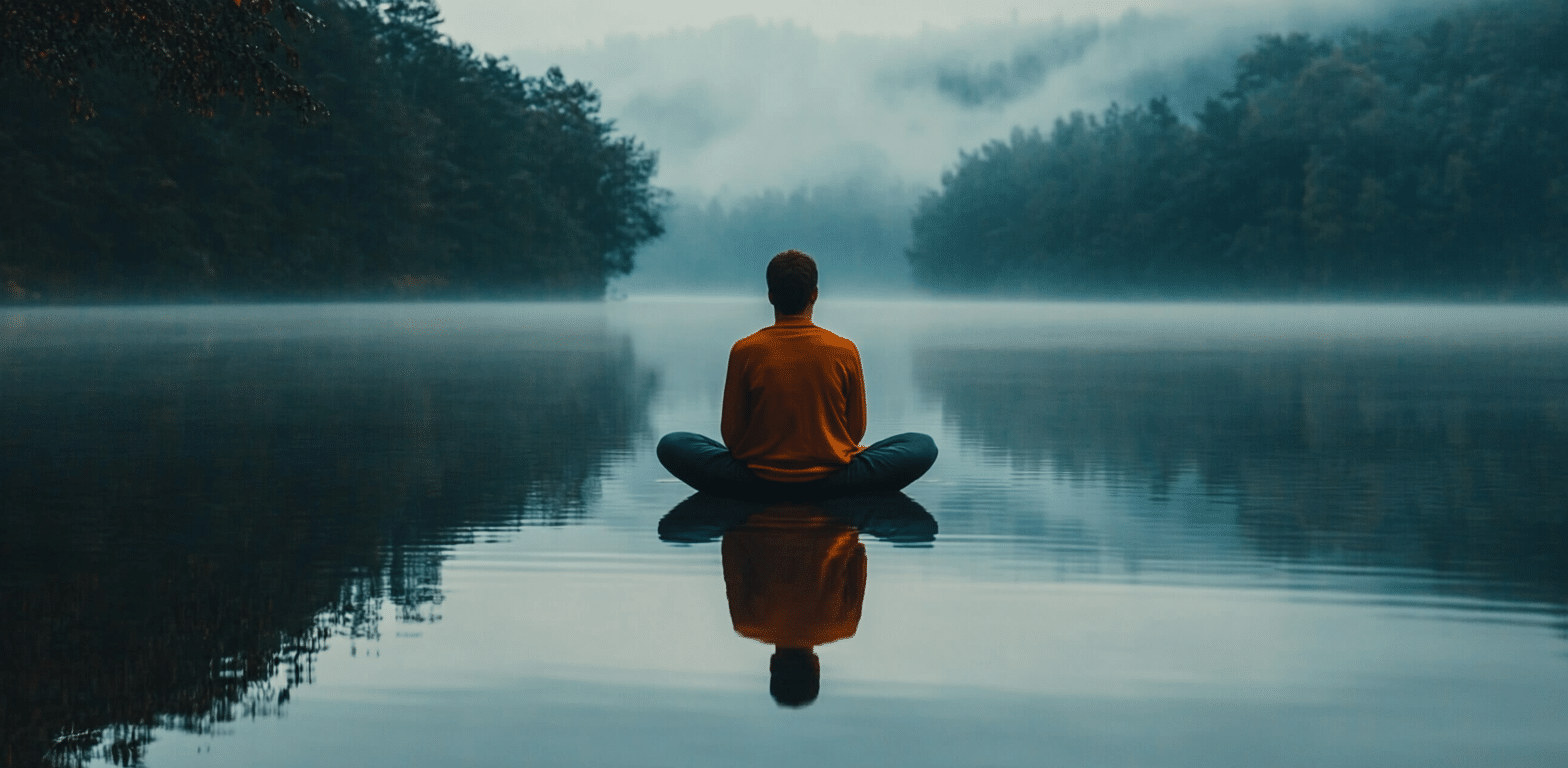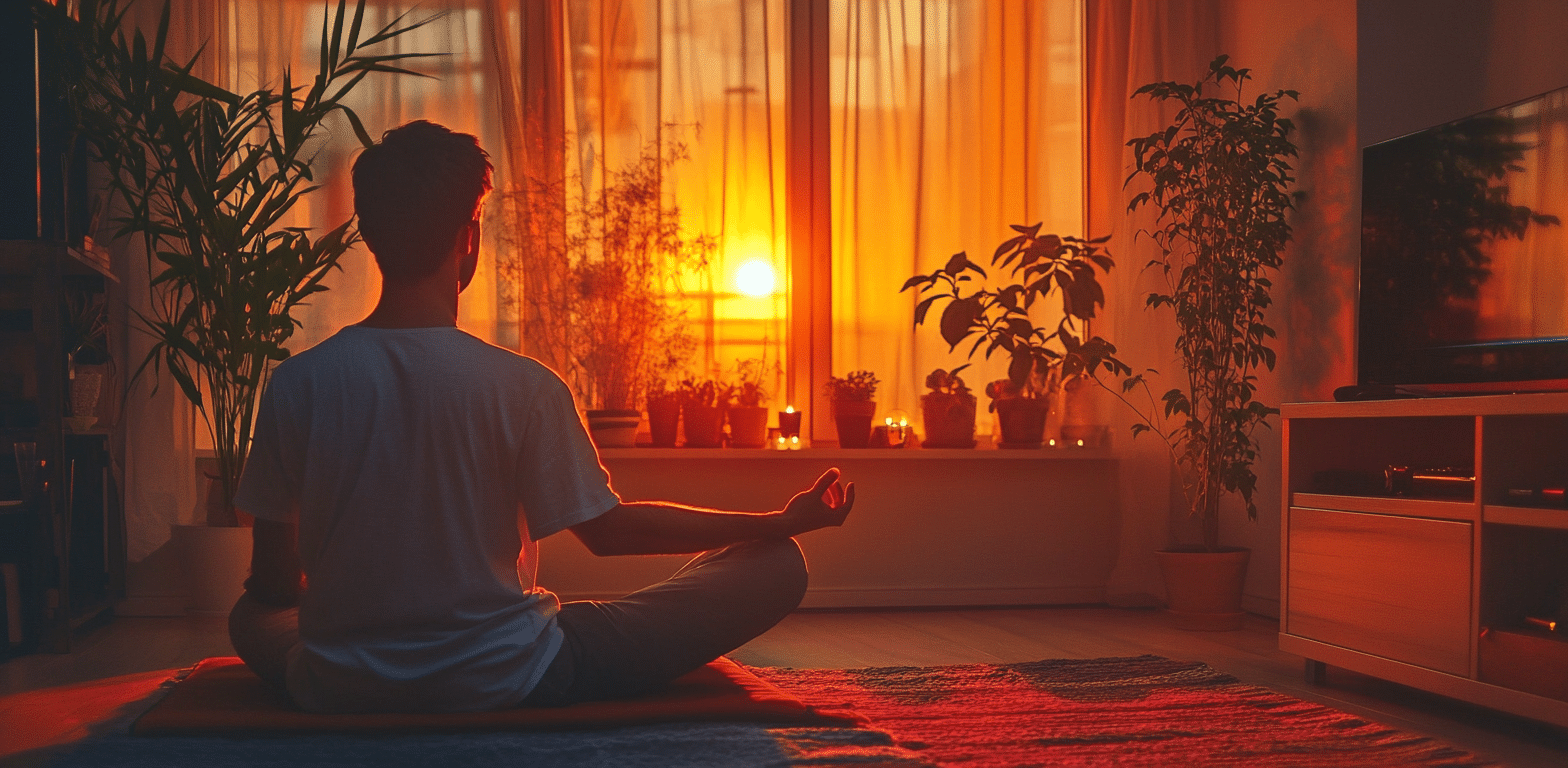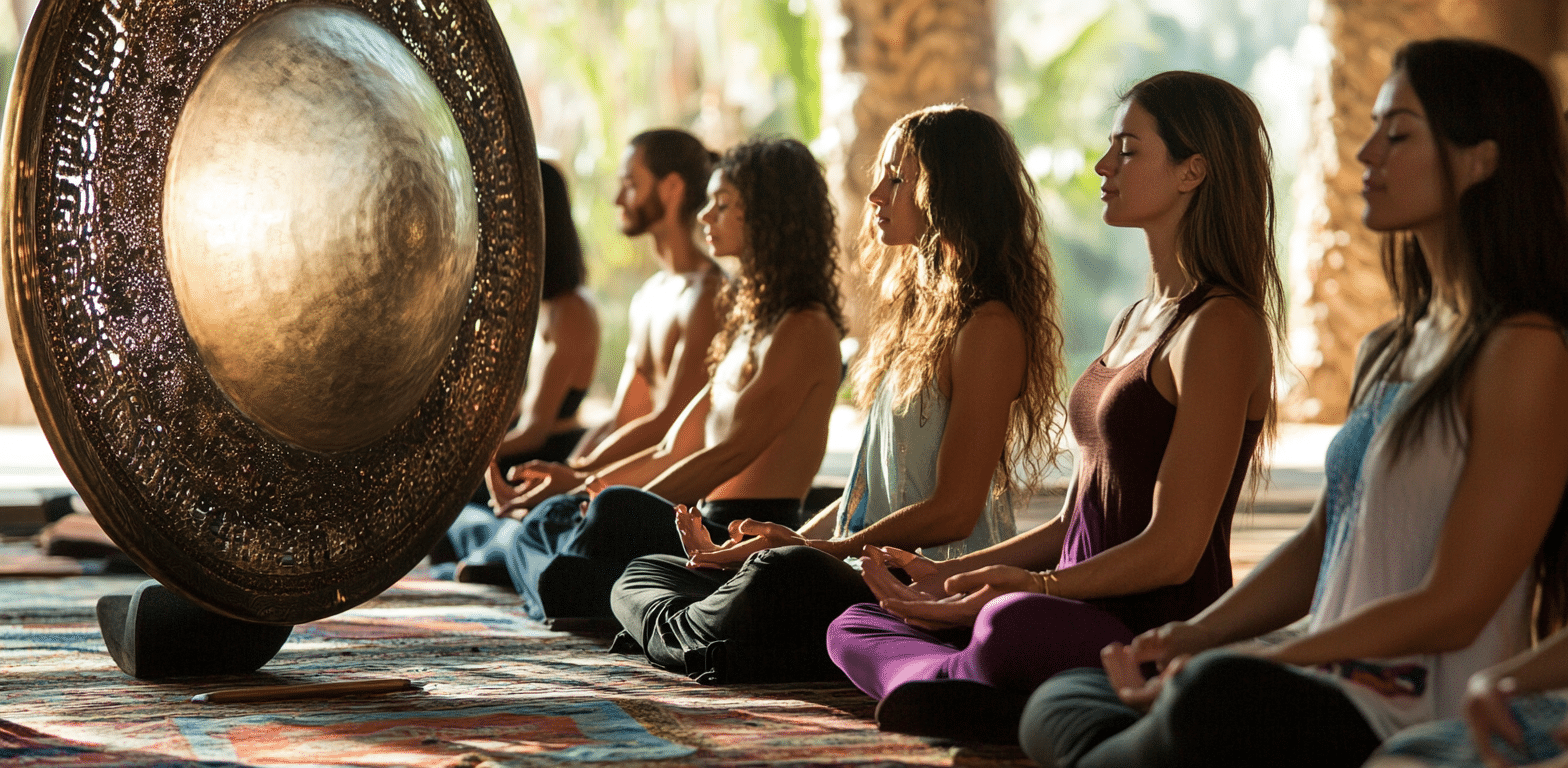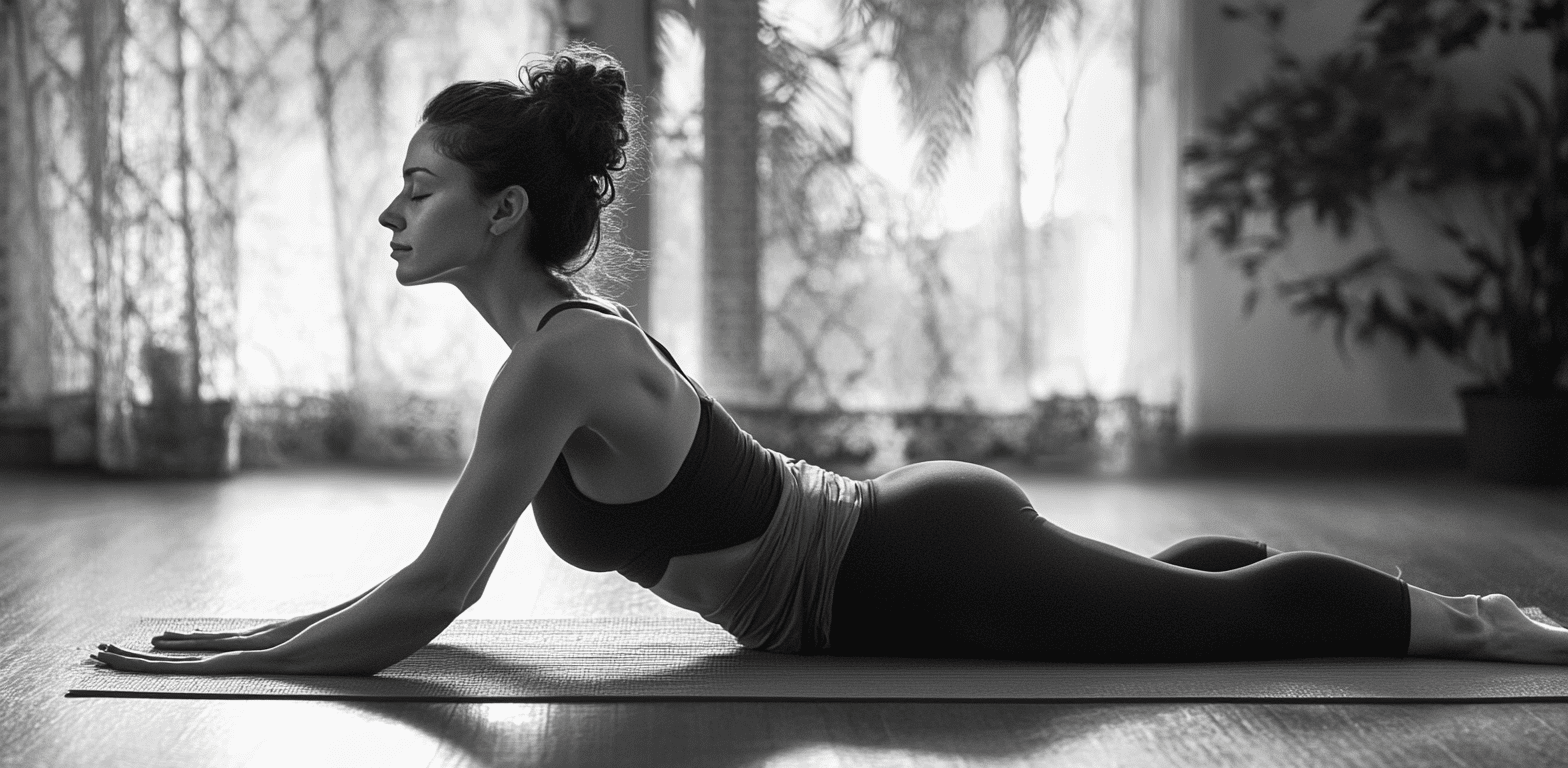



Living in the present is a concept so simple in theory, yet so challenging in practice. How often do we find ourselves caught up in thoughts of the past or expectations about the future? The practice of living in the present moment is not only a tool for well-being, but a philosophy of life — a conscious choice to experience each instant with full attention and gratitude. This practice, in the context of yoga, becomes a profound exercise in connection and awareness that transforms not only our relationship with ourselves, but also with the world around us.
The art of living here and now
Yoga is much more than a series of postures; it is a transformative discipline that seeks to balance body, mind, and soul. At its essence, yoga teaches us that the true power of life resides in the present moment. In a world that often pushes us to worry about the future or dwell on the past, the practice of yoga invites us to return to our center. It encourages us to focus on our breath and to be fully aware of our body and mind in the here and now.
When we practice yoga, we are training our capacity to live in the present. Each posture becomes an opportunity to confront our limitations and challenges in a real and tangible way. For example, while holding a posture such as the Warrior, we can feel the resistance and effort, but also the strength and balance it brings us. Through breath and mindfulness, we learn to accept each moment just as it is, whether one of calm or discomfort.

A practical example: Imagine you are in a yoga session and find yourself in the Downward-Facing Dog posture. You may feel tension in your muscles, or your mind may begin to wander. However, by focusing on your breath and the sensations arising in your body, you realize that you can find peace even in discomfort. This experience not only teaches you to handle challenges on the mat, but also offers you tools for dealing with the daily tensions of life.
As we practice, we develop the ability to be completely present, which not only improves our yoga practice but also transforms our everyday life. Every time we choose to be in the here and now, we are cultivating a greater awareness of ourselves and of the world around us.
In summary, yoga is an art of living that invites us to experience life exactly as it is, without distractions or judgment. By integrating this philosophy into our daily routine, we discover that true happiness and peace are found in every breath, in every present moment.
Benefits of living in the present
Living in the present moment offers a range of significant benefits that impact our mental, emotional, and physical health. Here we explore some of the most notable:
1. Reduced stress and anxiety
When we focus our mind on the present, we stop worrying about the future or ruminating on the past. This shift in focus can lead to a notable decrease in stress and anxiety. Many of our fears and tensions arise from thoughts about what might happen or what has already passed. By anchoring ourselves in the now, we can clear that mental noise and reach a state of calm and clarity.
Example: Imagine you've had an exhausting day and feel overwhelmed by work expectations. By closing your eyes and pausing, you allow yourself to feel the breath in your abdomen, noticing how the air slowly enters and leaves. In that instant, you realize you don't need to solve all the world's problems; you only need to be present. This simple act of paying attention to your breath brings you back to the moment and gives you a sense of relief and inner peace, like a balm for the soul.

2. Improved relationships
Living in the present allows us to be more conscious and attentive in our relationships. Rather than listening superficially or anticipating our response while the other person is speaking, mindfulness helps us connect genuinely with others. This strengthens bonds and fosters empathy and mutual understanding.
Example: Imagine a family dinner where everyone shares stories and memories. If you choose to put down your phone and truly listen to your loved ones, you can notice the laughter in their eyes and the emotion in their voices. Perhaps your grandmother is telling an anecdote from her youth, and by being present, you feel a deep connection that transcends time and space. That connection fills you with love and appreciation, reminding you of the importance of every shared moment.
3. Greater energy and vitality
When we are present, we avoid scattering our energy on unnecessary thoughts. This focus allows our energy to be concentrated and available for the tasks we are performing in that moment. As a result, we become more productive and enjoy a greater sense of vitality and enthusiasm for life.
Example: Think of a moment when you devoted yourself fully to cooking a meal for someone special. By focusing on each ingredient, on the aroma of the spices and the process of blending flavors, you immerse yourself in the experience. The kitchen becomes an act of love — not only for the food, but for the connection you are creating. That energy and attention are felt, and the result is a dish that not only nourishes the body but also feeds the soul.
4. Increased gratitude and satisfaction
Living in the present moment teaches us to appreciate the small things and to find beauty in the everyday. By becoming more aware of our blessings, we experience a greater sense of gratitude and satisfaction. When we savor each instant, we discover there is much to be grateful for, even on the most ordinary days.
Example: Imagine waking up one morning and opening the window to let in the fresh air and the sound of birds. Instead of rushing to start your day, you take a moment to simply be there. You feel the sun on your skin, you hear the birds singing, and you give thanks for that small yet beautiful experience. This instant of connection with nature fills you with a deep sense of gratitude, reminding you that happiness is found in the simplest details of life.
Common obstacles to living in the present
Although the benefits of living in the moment are undeniable, it is essential to recognize the obstacles that often prevent us from enjoying the here and now. These challenges are common on the path toward a more mindful life, and by identifying them, we can learn to overcome them.
The trap of the past
It is easy to become trapped in memories or regrets that haunt us like shadows. This "trap of the past" anchors us to experiences that no longer exist, pulling us away from the present moment. Reflecting on the past is natural, but learning to let it go is fundamental to freeing ourselves from the weight of what was. The practice of self-compassion can help us understand that every experience, good or bad, is part of our growth.
Fear of the future
The uncertainty of the future can generate anxiety, especially when we worry excessively about what is to come. However, the future is inherently uncertain, and spending time worrying about it only distracts us from living in the present. By accepting that we cannot control what has not yet arrived, we release a great deal of stress and focus our energy on what truly matters: the now. Practicing gratitude and setting clear intentions can ease this transition.
Constant distraction
We live in a world saturated with distractions — from the constant buzzing of our phones to the information overload of social media. These interruptions can make us feel disconnected and, often, dissatisfied. Cultivating presence involves becoming aware of these distractions and learning to control them rather than allowing them to control us. Setting aside moments of digital disconnection can be a first step toward greater mindfulness.
Tips for practicing the art of living in the present
Living in the present moment is a daily practice that can be integrated into any routine. Here are some practical tips that can help you cultivate this skill:
Meditate daily
Meditation is one of the most effective tools for cultivating mindfulness and training the mind to remain in the present. By sitting in silence and observing our breath or our thoughts, we learn to return to the now again and again, even when the mind wanders. A daily meditation practice — even just a few minutes — can transform the way we experience every moment of our lives. Here is a more advanced guide.

Focus on your breath
The breath is a powerful anchor for keeping us in the present. During moments of stress or distraction, we can pause and simply direct our attention to the breath. Feeling how air enters and leaves our body helps us reconnect with the present moment and calm our mind.
Practice gratitude
Take a moment each day to reflect on the things you are grateful for. It can be when you wake up, before you sleep, or at any time you prefer. This simple act helps you stay present and appreciate what you have in the now, rather than focusing on what is lacking or what you hope to achieve in the future.
Be mindful of everyday activities
We often carry out daily tasks on "autopilot" — washing the dishes, walking, or even eating. Turning these activities into a mindfulness practice can help us live in the present naturally. By performing a common task with full awareness, we learn to enjoy each moment and to see the beauty in the ordinary.
Limit digital distractions
Digital distractions can be one of the greatest obstacles to living in the present. Consider setting specific times to check your phone or social media, and make the most of distraction-free time to connect with yourself or with those around you.
The gift of the present
Living in the present does not mean ignoring the past or the future, but rather learning to balance them with the here and now. It allows us to recognize that this moment is the only real one — the only one we can fully experience. Through the practice of living in the now, we discover that life is richer, fuller, and more satisfying than we ever imagined.

The practice of living in the present is not about denying difficult emotions or seeking an unattainable perfection, but about accepting each moment with openness and compassion. Yoga, with its age-old teachings and its focus on the mind-body connection, offers us a powerful guide for making each moment a space of peace and growth.
So, the next time you find yourself drifting into the past or anticipating the future, take a deep breath and remember: the true magic is here, in the present. Every instant is an opportunity to live fully, to know yourself better, and to find beauty in the simple.