


In a world where stress and information overload dominate everyday life, more and more people are seeking ways to reconnect with their inner peace. Among these practices, float tanks have grown in popularity for offering an experience that goes beyond physical relaxation, combining it with a unique form of mental introspection. In this article, we explore what a float tank experience involves, its benefits, and how it can complement and enrich meditation, opening a space of genuine well-being and tranquillity.

What are float tanks?
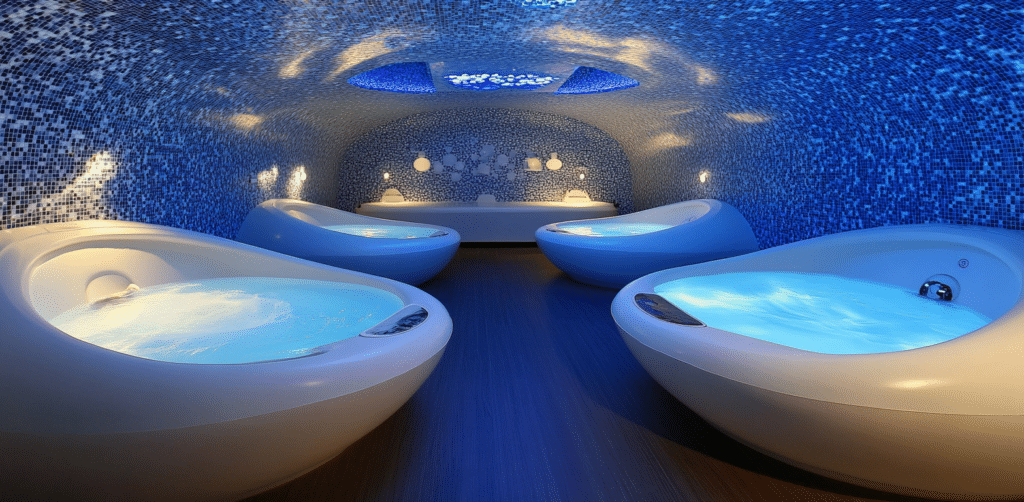
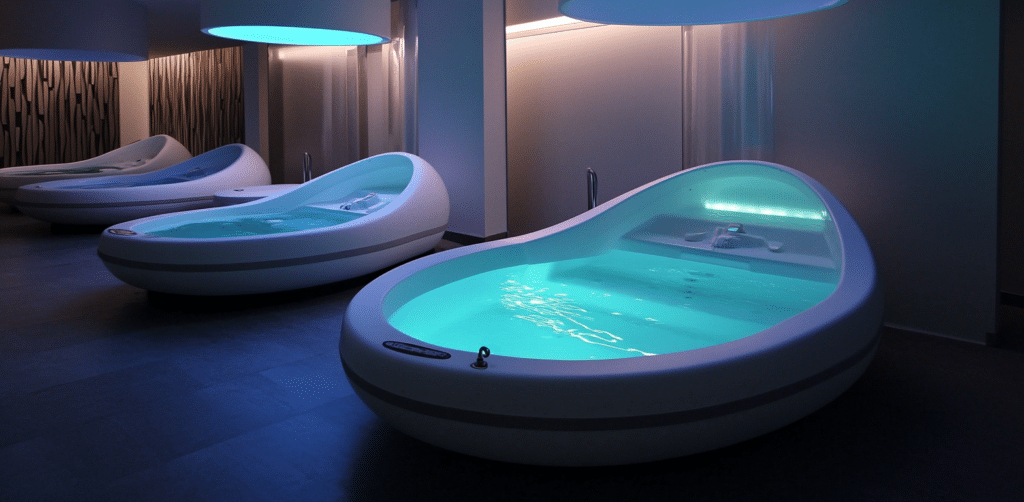
The float tanks, also known as isolation or sensory deprivation tanks, are airtight capsules filled with warm water saturated with Epsom salt. The high concentration of salt allows the body to float effortlessly, eliminating gravity and creating a sensation of complete weightlessness. In addition, the water temperature is carefully adjusted to match that of the body, which enhances the feeling of "floating in air". This experience almost completely eliminates external stimuli — no light, no sound, no pronounced physical sensation — creating an environment of ideal calm in which to release tension and quiet the mind.
Benefits
Disconnecting from the external world
One of the greatest benefits of float tanks is the opportunity to disconnect completely from the outside world. This distraction-free environment creates a space of introspection and deep calm where the mind is freed from the constant "mental noise", achieving a mental stillness similar to meditation — yet in many cases more accessible and effortless, thanks to the absence of external stimuli.
Deep physical relaxation
The sensation of weightlessness while floating helps release physical tension accumulated in the muscles and joints, something very few experiences achieve at this level. Without the pressure of gravity, the body relaxes in a way that reduces muscular and joint pain, as well as physical stress — translating into a feeling of lightness and renewed well-being when you step out of the tank.
Flotation and meditation
Points in common
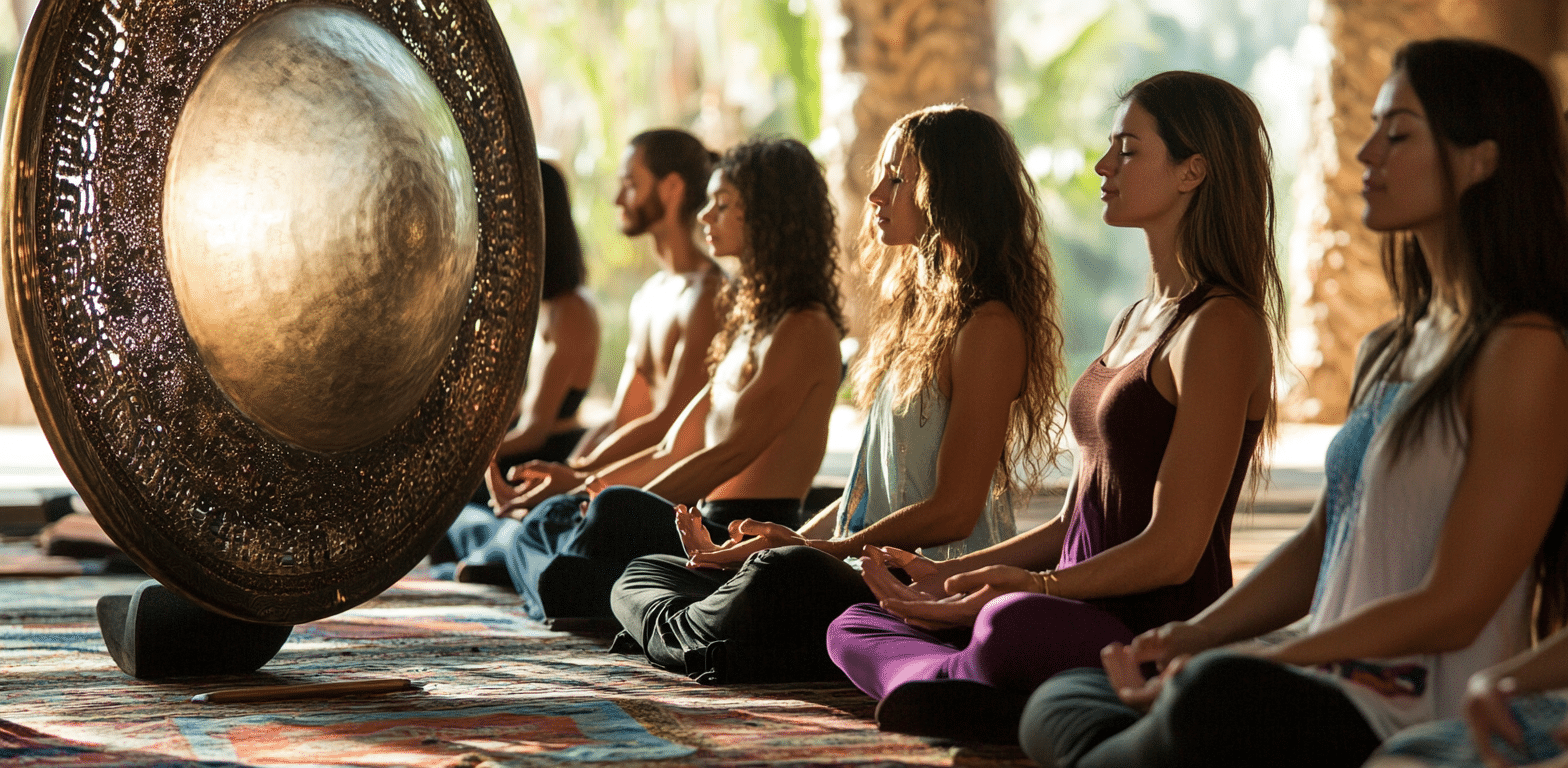
Both flotation and meditation offer pathways to inner calm and connection with oneself. In both practices, the mind opens up to observe thoughts and emotions without judgement, creating a space of peace and self-knowledge.
In a float tank, for example, the stillness and sensation of weightlessness allow the user to disconnect from external distractions, facilitating a deep introspection similar to that reached in guided meditation. This state of relaxation helps reduce stress and can open the door to authentic reflection, in which the person observes themselves with unusual clarity.
Differences in the processes
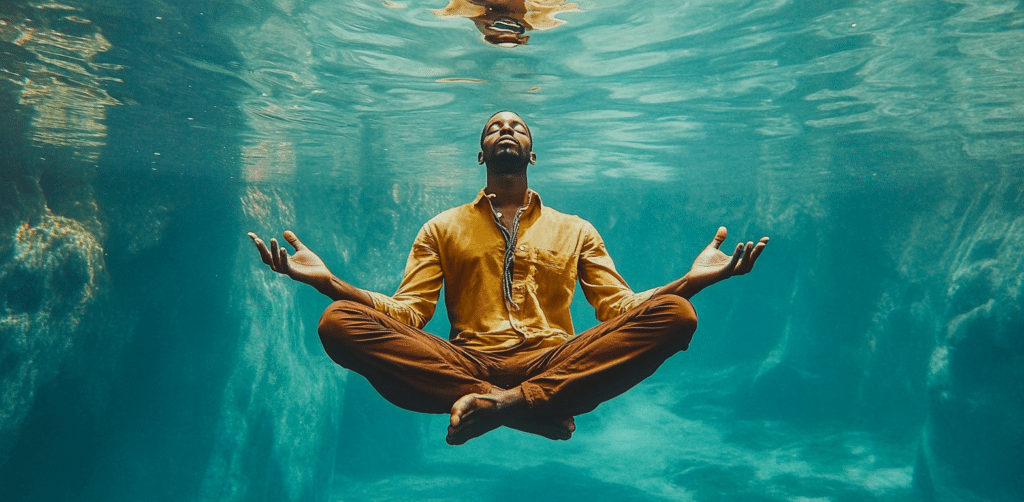
Although they share similar benefits, flotation and meditation employ different methods to achieve deep relaxation. In meditation, the practitioner participates actively, focusing on techniques such as breathing, mantras, or visualisation to calm the mind. Imagine a meditation session in which, by inhaling and exhaling slowly, the person begins to notice how their thoughts settle. This active practice demands a certain level of focus and mental discipline.
Flotation, on the other hand, allows the process to be more passive and physical: by floating in water with a high concentration of salts, the absence of external stimuli (no light, no sound) relaxes the body almost immediately. This physical release — the sensation of "zero gravity" in the water — is what guides the mind towards a state of calm, without the user having to make any active effort. In this environment, the mind relaxes naturally, following the body towards a more spontaneous sense of peace.
Benefits of flotation for deepening meditation
1. Eases entry into meditation
Flotation is a wonderful tool for those looking to deepen their meditation practice, particularly if they find it difficult to quieten the mind from the outset. In the float tank, the high concentration of salts in the water allows the body to float without effort, completely eliminating the pressure of gravity. This weightlessness produces such profound physical relaxation that muscular and joint tension almost completely disappears, creating an experience of total rest for the body.
This level of physical relaxation is key, as it facilitates entry into a state of mental calm: when the body feels light and rested, the mind has fewer physical distractions and discomforts to contend with. For example, someone who usually experiences back pain or neck tension during meditation on the floor or in a chair may achieve complete relaxation in the tank, and therefore a far less interrupted quality of attention.
Furthermore, the elimination of external stimuli — no noise, no light, and no sensation of temperature — allows thoughts to settle naturally, as if the mind can finally "breathe". This ideal environment makes entering a meditative state more fluid, as it does not require the same effort as in other settings. The mind begins to slip into a meditative flow almost automatically, making the practice not only more accessible but also deeper and more enriching.
Advanced Guide
For those looking to take this experience to a more advanced level, a useful practice is to incorporate specific meditation techniques inside the tank, such as mindful breathing or a body scan. By following each breath or bringing attention to the sensation of each part of the body while floating, the benefits of both practices are amplified, allowing for an even deeper connection between body and mind. Here is a detailed guide.
2. Access to deep brainwave states
In the state of weightlessness, the brain tends to enter theta brainwave patterns, similar to those reached in deep meditation. These waves are associated with creativity, intuition, and a deeper connection with oneself, facilitating a meditative state that opens new possibilities for reflection and emotional healing.
3. Increased self-awareness
The absence of stimuli in the float tank creates the perfect environment for deep and sincere introspection. By eliminating external distractions (such as noise, light, and the feel of a surface), the mind can direct its full attention inward, where thoughts and emotions are perceived with greater clarity. This absence of stimuli allows questions and reflections that are usually buried under the busyness and constant activity of daily life to emerge naturally.
This environment fosters a heightened sense of self-awareness — an essential skill for meditation and self-knowledge. For example, while floating in the tank, a person may become aware of thought patterns that previously went unnoticed, such as a tendency towards self-doubt or excessive self-criticism. This growing awareness becomes an opportunity to explore where those thoughts and judgements come from, and to better understand how they are affecting their emotions and daily decisions.
Moreover, the state of deep relaxation in the tank allows emotions that may have been suppressed or ignored to surface more naturally. It is common, in a flotation environment, for someone to experience a range of varied emotions — from peace and gratitude to sadness or nostalgia. This experience of feeling emotions without rush or judgement helps connect with one's own needs in an honest and compassionate way, which is an important step towards emotional balance.
Considerations
Combining flotation and meditation is a powerful tool for those seeking holistic well-being. The union of these practices offers a path towards deep relaxation, introspection, and authentic connection with oneself, providing benefits that go beyond those gained from practising each technique separately. At a time when self-knowledge and mental health are increasingly valued, exploring this combination becomes a worthwhile investment in physical and emotional well-being.
Today, the accelerated pace of life and the overload of information disconnect us from our own needs and emotions. Taking time to float or meditate is an essential act of self-care in this context. The experience of floating, for example, eliminates physical and sensory distractions, allowing the mind to enter a state of stillness that is ideal for meditation. Meditation, in turn, helps channel that calm towards greater mental clarity and personal understanding, amplifying the benefits of flotation.
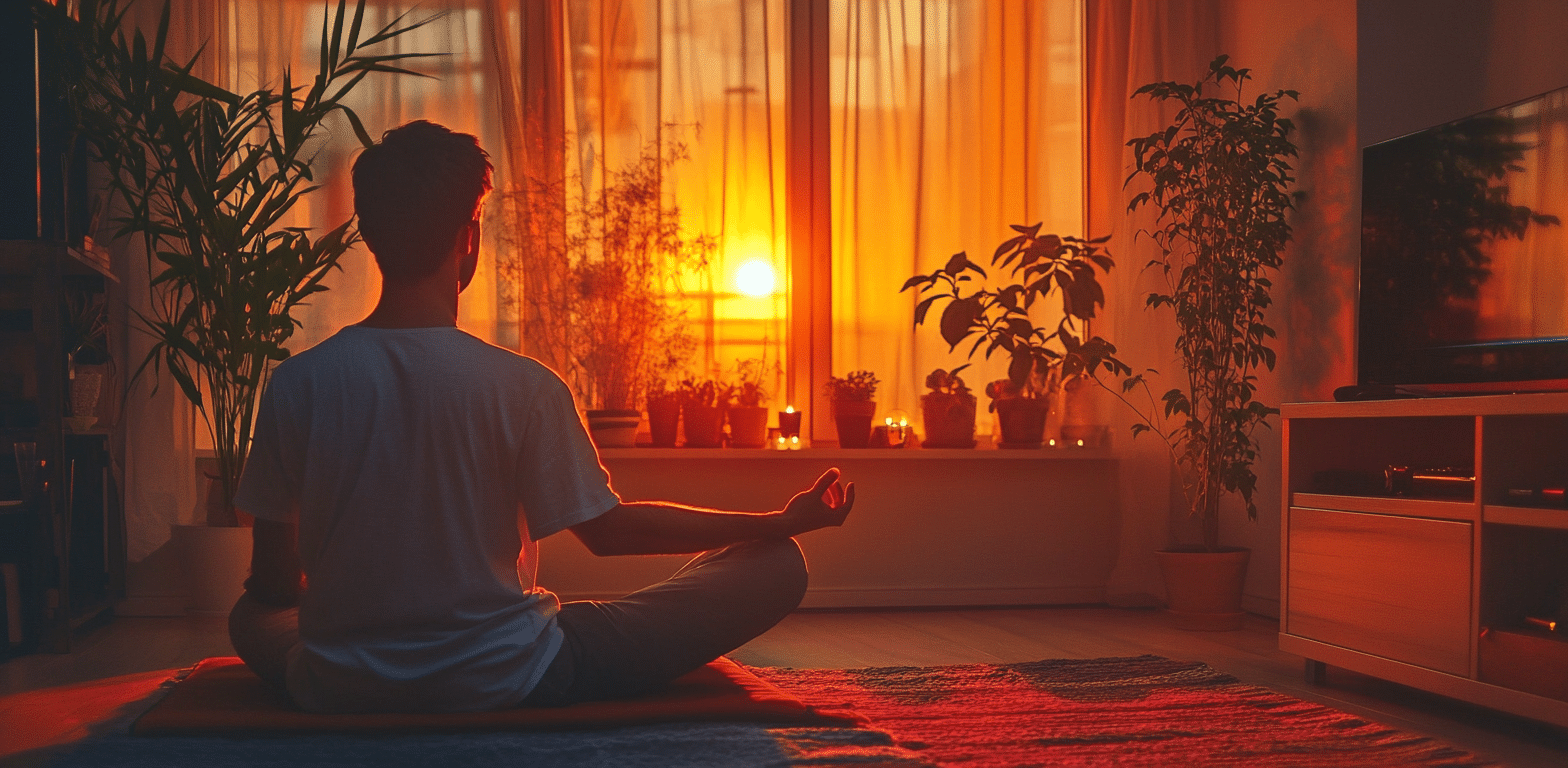
The combined practice of flotation and meditation is a true journey towards inner peace, self-understanding, and personal renewal. Whether you choose the weightlessness of a float tank or the silence of a meditation corner at home, the time you dedicate to these practices will be an invaluable gift to yourself. This integrated approach will help you reduce stress and develop greater emotional and mental clarity, thereby improving your quality of life and your relationship with yourself. Why not take the first step? Exploring this practice may open the door to a more balanced and fulfilling life — one in which you feel more connected to yourself and to your true needs.