


Back pain is one of the most common ailments in modern society, affecting people of all ages and lifestyles. Long hours in front of a screen, poor posture while sitting or lifting objects, and even stress and emotional tension can all contribute to this problem. Rather than relying exclusively on painkillers, yoga offers a natural and effective alternative for relieving back pain and strengthening the muscles to prevent future discomfort.
1. Bhujangasana (Cobra Pose)
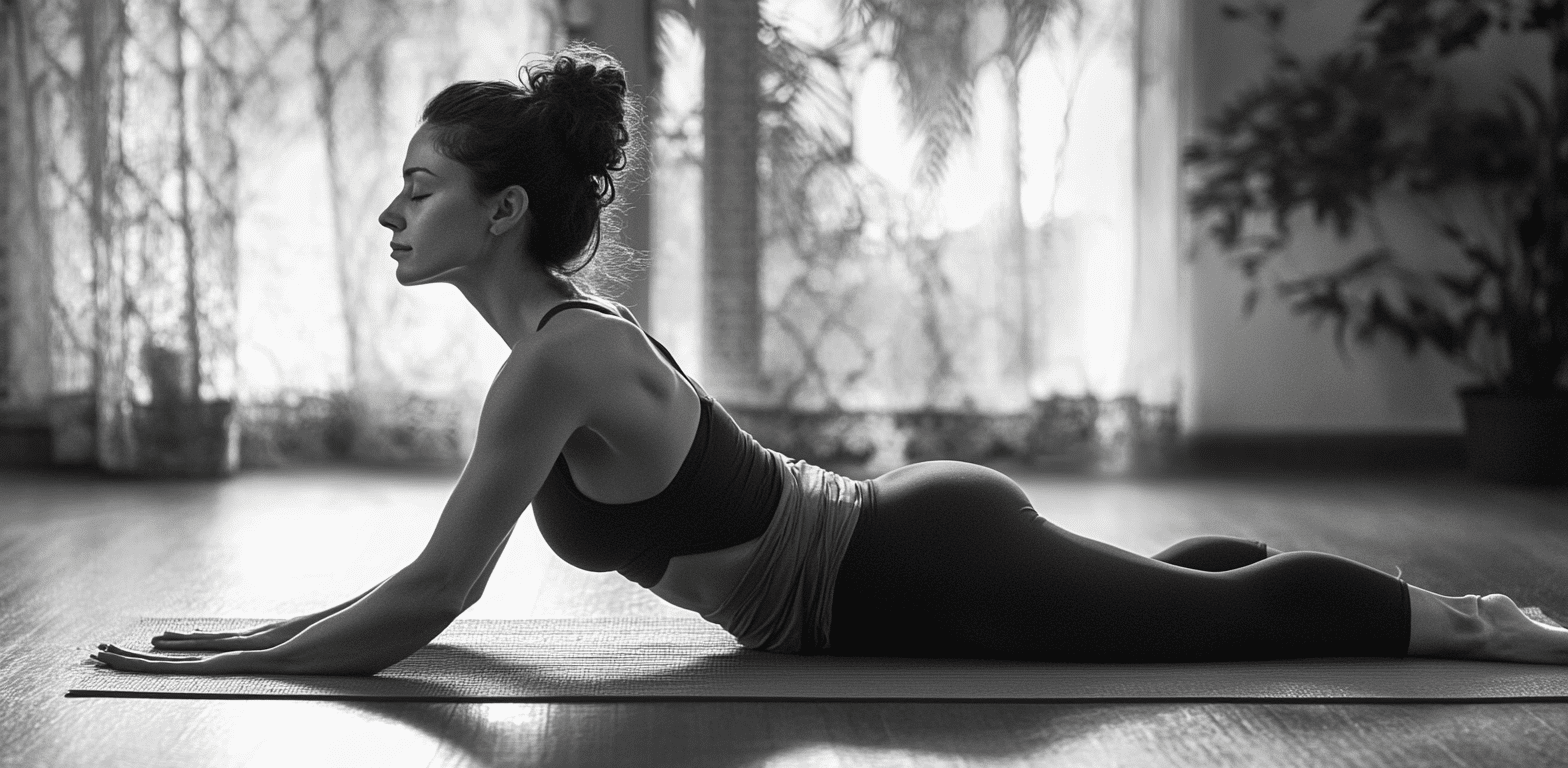
Bhujangasana is a foundational yoga posture that not only stretches the spine, but also strengthens the muscles of the back and abdomen. By lifting the torso off the floor, a gentle compression is created in the lumbar region, which can help relieve stiffness and tension built up in the lower back after long periods of sitting or standing. This position also facilitates blood flow to the spine, promoting the nourishment of the vertebral discs and improving the flexibility of the spinal column.
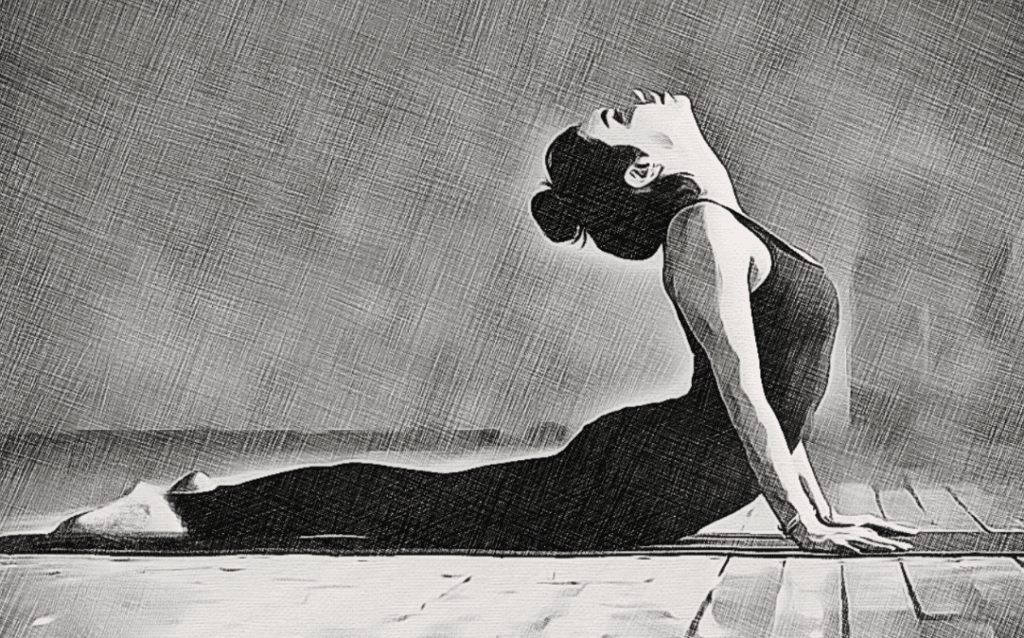
In addition to its physical benefits, Bhujangasana opens the chest and shoulders, which can counteract the hunched posture typical of those who work at desks or spend a great deal of time in front of screens. This chest opening also facilitates deeper, more conscious breathing, which in turn helps reduce levels of stress and anxiety.
It is advisable to practice Bhujangasana with care and respect for your own body's limits. Maintaining a soft, steady breath during the posture can further enhance its therapeutic effects, providing a complete and safe stretch for the back and abdominal muscles.
2. Dhanurasana (Bow Pose)
Dhanurasana, known as Bow Pose, is highly beneficial for strengthening and stretching the muscles of the back, shoulders, and abdomen. By lifting the body into a bow shape, a deep stretch is generated that spans the entire spine. This stretch not only relieves compression in the vertebral discs and vertebrae, but also increases the flexibility of the spinal column, thereby improving the overall mobility of both the upper and lower body.
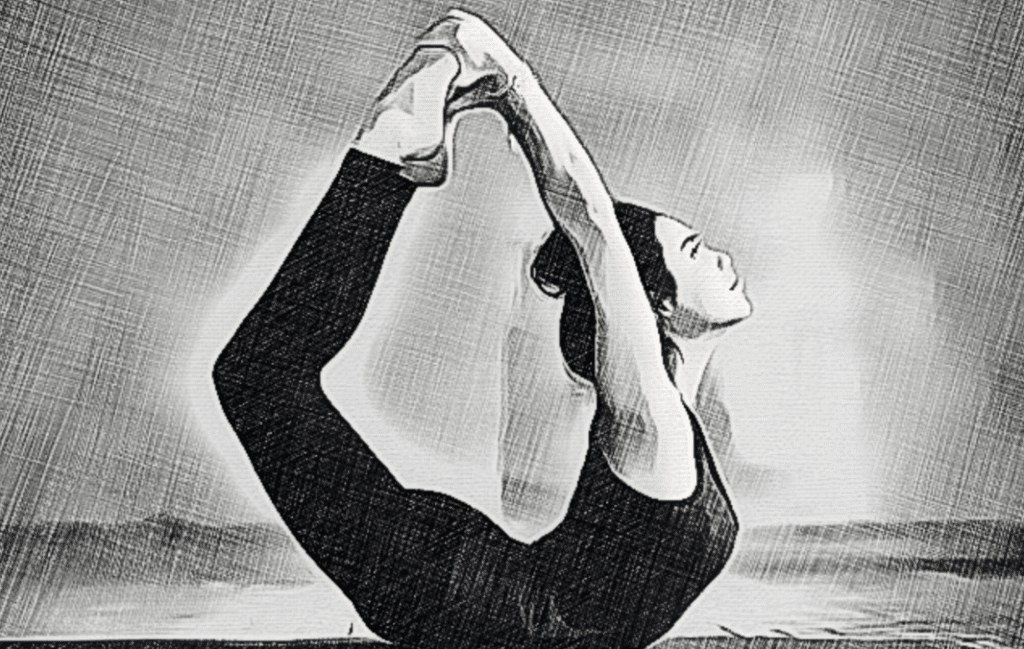
In addition to its physical benefits for flexibility and muscular strength, Dhanurasana has positive effects on the internal organs. By pressing the abdomen and internal organs during the posture, the digestive system is stimulated, which can improve digestion and relieve constipation. Furthermore, the position also provides a gentle massage to the kidneys, promoting better blood circulation and helping to eliminate toxins from the body through improved renal function.
It is important to practice Dhanurasana with care and attention, especially if you have back problems or previous injuries. Maintaining conscious and fluid breathing during the posture can help relax the body and maximize the therapeutic benefits of this Asana.
3. Setubandhasana (Bridge Pose)
Setubandhasana, known as Bridge Pose, is an excellent Asana for strengthening the muscles of the lower back and glutes. By lifting the hips upward while lying on your back, a gentle yet effective stretch is created in the spinal column. This stretch not only helps relieve tension and stiffness in the lower back, but also contributes to improving the overall flexibility of the spine.
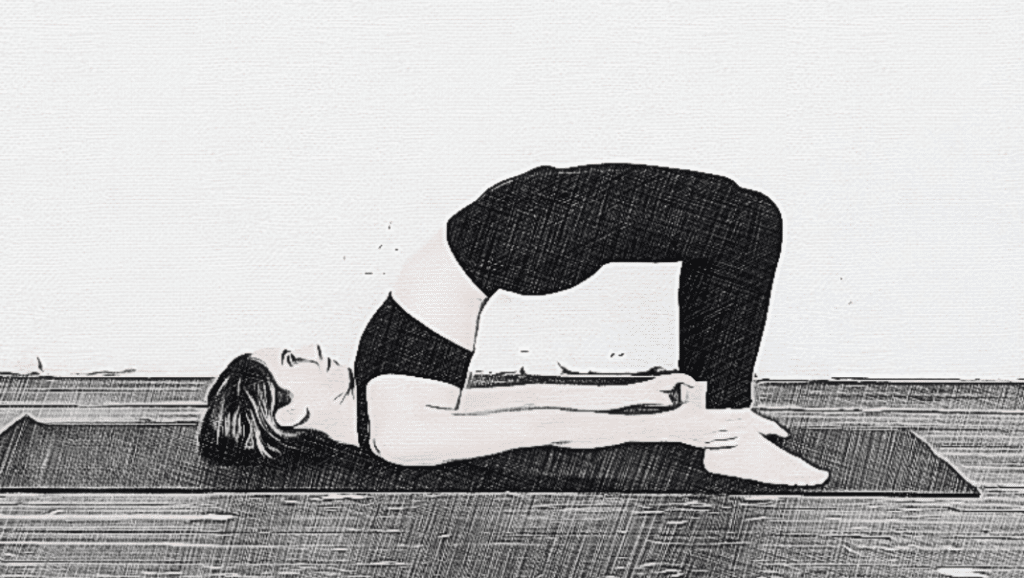
In addition to its physical benefits, Setubandhasana has calming effects on the mind and body. When practicing this posture, the central nervous system is stimulated in a positive way, which can lead to a reduction in stress and an overall sense of relaxation. This mental calm can be beneficial in promoting better rest and improved sleep quality.
Setubandhasana also helps to open the chest and shoulders, improving breathing and blood circulation. By strengthening the muscles of the lower back and glutes, this Asana can also provide additional support to the spine, reducing the risk of injury and improving overall body posture.
It is important to practice Setubandhasana with mindfulness and to listen to your body's needs. If you have neck or back problems, you can place a support under your pelvis for additional support. Maintaining a steady, deep breath during the posture can enhance the therapeutic benefits and promote greater physical and mental relaxation.
4. Balasana (Child's Pose)
Balasana, known as Child's Pose, is a deep resting Asana that helps stretch and relax the back, shoulders, and neck. To assume this posture, you kneel on the floor with your hips over your heels and then lean forward, allowing your torso and head to drop toward the floor while stretching your arms forward or alongside your body.
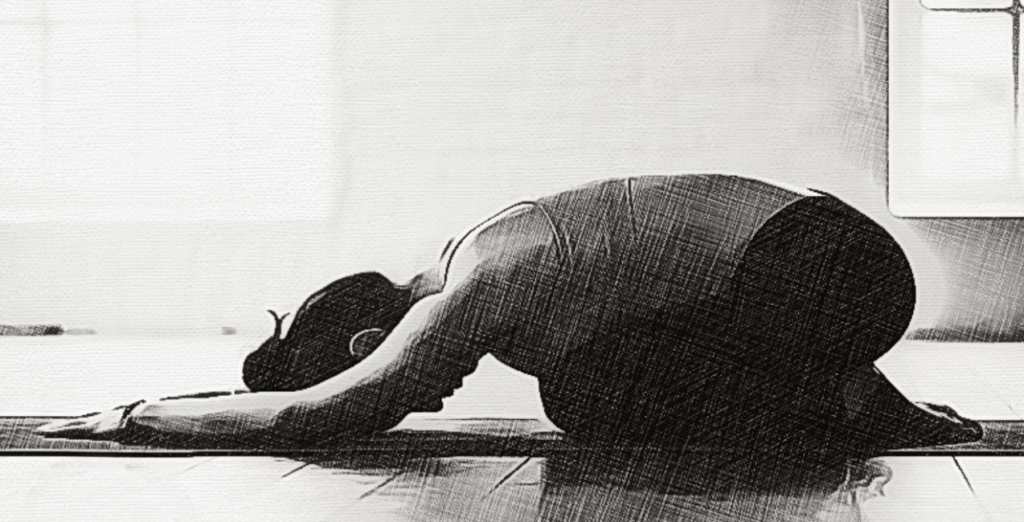
This posture allows you to release tension built up in the spine, especially in the lumbar region, where many people experience stiffness due to a sedentary lifestyle or daily stress. By gently stretching the spine and relaxing the back muscles, Balasana promotes an immediate sense of relief and well-being.
In addition to its physical benefits, Balasana has a profound impact on the emotional and mental level. While holding the posture, deep and conscious breathing is encouraged, which helps calm the central nervous system and reduce levels of stress and anxiety. This mental calm is especially beneficial when practicing Balasana at the end of a yoga session, when the body is ready for rest and deep relaxation.
It is essential to practice Balasana with full mindfulness and respect for your own body. If at any point you feel sharp pain or discomfort, it is important to stop the practice and consult a healthcare professional or qualified yoga instructor. You can adjust the posture to suit your needs by placing a blanket under your knees or a pillow under your torso for added comfort.
Incorporating Balasana and other yoga postures into your daily routine can have positive effects on spinal flexibility, muscle relaxation, and the reduction of accumulated stress. By dedicating time to practicing this Asana regularly, you can improve your overall quality of life and find a space of inner peace and calm in your day-to-day life.