


Breathing is one of the most vital and unconscious functions of our body, occurring approximately 20,000 times a day without our being fully aware of it. But did you know that the way we breathe can profoundly influence our mood, our energy levels, and even our mental and physical health? Although we often overlook this natural process, breathing is a powerful tool that can transform our lives in surprising ways.
The relationship between breathing and our emotions is remarkable: when we are stressed, our breathing tends to become rapid and shallow, while in moments of calm it becomes deep and relaxed. Learning to consciously control our breathing allows us not only to regulate our emotional responses, but also to improve our concentration and reduce anxiety.
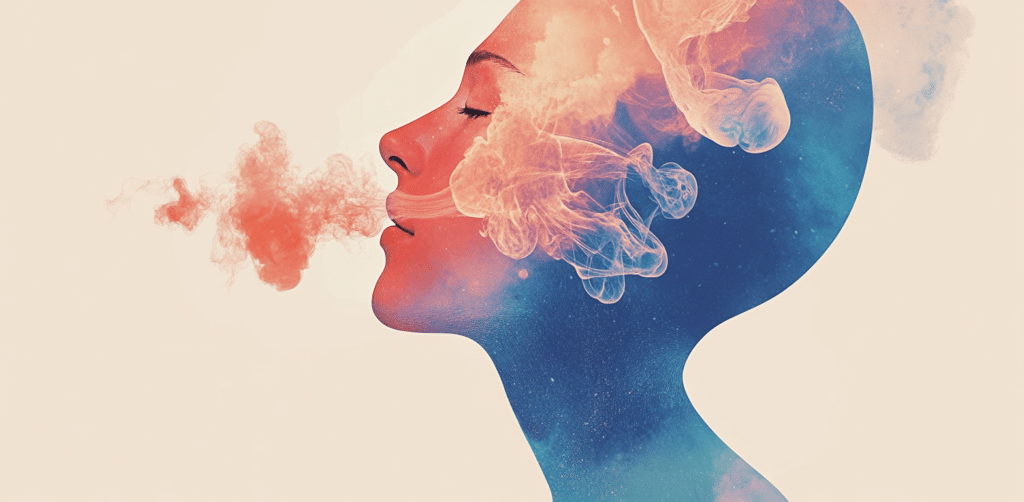
In this article, we will explore how our breathing adapts to different emotional states and levels of physical activity, as well as the techniques we can use to breathe more effectively. By integrating breathing practices into our daily lives, we can experience significant benefits for our health and well-being, helping us to face everyday challenges with greater serenity and mental clarity.
1. Breathing as a source of life
From the moment we are born, breathing marks the beginning and the end of our existence. In the field of modern medicine, the rate and depth of breathing are crucial indicators of health. For example, when a patient is in an intensive care unit, doctors monitor their respiratory rhythm with extreme care, as any irregularity could put their life at risk. Yet in our daily lives, we often overlook the importance of breathing, ignoring how it influences every aspect of our body, from blood circulation to the functioning of the nervous system.
Breathing is not merely a mechanical act; it is our energy engine. Through it, oxygen penetrates our cells, enabling the production of energy needed to carry out everyday activities — from moving and thinking to feeling and living. For example, when we exercise, our need for oxygen increases, and the way we breathe adjusts to meet this demand, increasing the breathing rate and the depth of each inhalation.

Furthermore, the quality of our breathing can impact our physical and emotional state. Shallow, rapid breathing is often associated with stress and anxiety, while slow, deep breathing can induce a sense of calm and well-being. Practising conscious breathing techniques, such as diaphragmatic breathing or 4-7-8 breathing, can help regulate our nervous system and improve our response to stress. For example, in moments of tension, taking a minute to inhale deeply through the nose for four seconds, hold the breath for seven seconds, and exhale slowly through the mouth for eight seconds can help restore calm and mental clarity.
In short, breathing is much more than a simple exchange of gases; it is a vital function that sustains our life and well-being. By being aware of our breathing and learning to control it, we can enhance our health and live in a more balanced way.
2. Breathing and physical activity
When we move, our muscles require an additional supply of oxygen to generate the energy needed for the activity. That is why, when we exercise, both breathing rate and heart rate increase. Imagine your body is a car: when you accelerate, you need more fuel. In the same way, our breathing adapts to carry more 'fuel' to the muscles, ensuring we can meet the physical demands of each activity.
During exercise, by breathing faster, the body's cells receive the oxygen they need, while carbon dioxide — a by-product of cellular activity — is efficiently expelled. For example, during a run, your muscles require a greater supply of oxygen to sustain the pace, which causes an increase in breathing rate and deeper breaths. As you reduce the intensity of your exercise, such as walking after running, your breathing gradually slows down, allowing the body to return to a state of calm and balance.

This process of adaptive breathing is essential and demonstrates the vital role of breathing as a bridge between physical activity and rest. However, an important question arises: what happens when we do not adequately control our breathing in moments of inactivity?
When we are at rest, shallow or irregular breathing can contribute to the build-up of stress and anxiety. For example, when we sit and work for long periods without paying attention to our breathing, we may notice that we feel tense or fatigued. Practising conscious breathing in these moments can help us release accumulated tension, improve our concentration, and maintain a state of ca
3. Breathing and mental health
Breathing is not only influenced by physical activity; it also adapts to our emotions. In moments of stress, anger, or anxiety, we tend to breathe faster and more shallowly, adopting a pattern known as 'fight or flight'. This type of breathing sends alarm signals to our body, activating the sympathetic nervous system and triggering the release of hormones such as adrenaline and cortisol. These hormones prepare us to face a threat or flee from it.
However, in the modern world, we are rarely exposed to immediate physical danger. Instead, we face everyday stressful situations — such as tight deadlines at work, family conflicts, or traffic chaos — that trigger the same stress response without allowing us to 'burn off' these hormones through physical action. For example, after a hectic day at the office, we may arrive home feeling exhausted and anxious, yet without having released the accumulated tension.
This constant overload on our system can have negative effects on our mental and physical health. Rapid and shallow breathing can lead to increased feelings of anxiety, fatigue, and emotional exhaustion. Moreover, over time, this pattern can contribute to more serious problems, such as anxiety disorders and depression.

This is where the practice of conscious breathing becomes a valuable tool. Learning to control our breathing allows us to activate the parasympathetic nervous system, which promotes relaxation and reduces the stress response. For example, deep breathing techniques, such as diaphragmatic breathing, can help calm the mind and restore emotional balance. When you feel overwhelmed, simply stopping to take a few deep breaths can make all the difference. Inhaling slowly and deeply through the nose, holding the breath for a few seconds, and exhaling gently through the mouth can help reduce tension and restore mental clarity.
4. Breathing as a tool for well-being
Fortunately, the body responds positively to controlled, deep breathing. By learning to breathe consciously, we activate the parasympathetic nervous system, which promotes a state of calm and relaxation. In this context, breathing becomes a powerful tool for cultivating mental and physical peace.
When we breathe deeply, we send signals to our brain that we are safe, which reduces the release of stress hormones such as adrenaline and cortisol. This process not only helps our body to relax, but also improves our emotional state. For example, in high-pressure situations, such as a work presentation or a difficult conversation, practising deep breaths can help reduce anxiety and increase mental clarity.
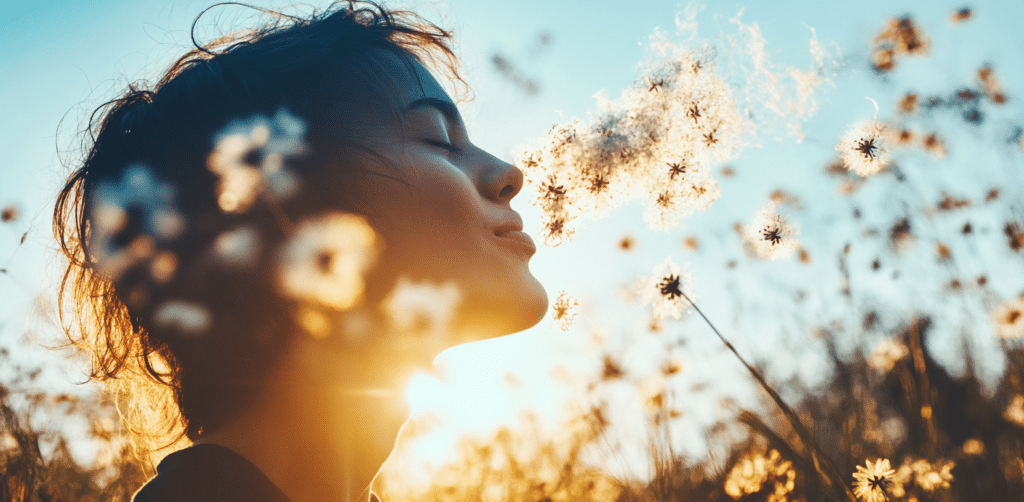
One effective technique is diaphragmatic breathing. To practise it, sit or lie down in a comfortable position, place one hand on your abdomen and the other on your chest. Inhale deeply through the nose, making sure your abdomen expands while keeping your chest relatively still. Then exhale slowly through the mouth. Repeat this cycle several times. Over time, this practice can become a habit you can draw on in moments of stress or before sleep, promoting better rest.
Various studies support the effectiveness of deep breathing in reducing stress and anxiety. For example, it has been shown that breathing techniques used in yoga not only lower cortisol levels, but also improve cognitive function and concentration. This means that you not only feel better, but you can also perform better in your daily activities.
Integrating breathing exercises into your daily routine, even for just five minutes, can have a significant impact on your overall well-being. This small change can help you face daily challenges with a calmer mind and a more relaxed body. At the end of the day, dedicating time to conscious breathing is not just a relaxation technique; it is an investment in your mental and physical health.
5. The power of conscious breathing
Conscious breathing — the act of paying attention to each inhalation and exhalation — has transformative effects on our daily lives. This practice not only helps us stay present, but also allows us to reduce emotional reactivity and improve our overall quality of life. By concentrating on our breathing, we anchor ourselves in the present moment, moving away from worries about the past or the future.
Pranayama benefits: Here is a more advanced guide.
- Reduction of stress and anxiety: Through simple deep-breathing techniques, such as diaphragmatic breathing or 4-7-8 breathing, we can calm our minds and relieve the physical symptoms of stress. For example, in the 4-7-8 technique, you inhale through the nose for 4 seconds, hold the breath for 7 seconds, and exhale slowly through the mouth for 8 seconds. This practice can be especially useful before sleep or in moments of tension, as it activates the parasympathetic nervous system and promotes relaxation.
- Improved concentration: By focusing our attention on the breath, we reduce distractions and increase our capacity for concentration. This kind of focus has been used in academic and professional settings. For example, taking a few minutes to do conscious breathing exercises before a meeting or an exam can help calm the mind, allowing us to approach the task with greater clarity and focus.
- Emotional regulation: The practice of conscious breathing helps us to be less reactive in difficult situations, allowing us to respond in a more composed way. For example, if you feel frustrated during an argument, taking a moment to breathe deeply before responding can help you articulate your thoughts more effectively, rather than reacting impulsively. This mindful approach can transform the dynamics of interactions, fostering a more positive and collaborative atmosphere.

6. The philosophy of yoga and Pranayama
For more than 2,000 years, yoga has incorporated conscious breathing as a fundamental element of its practice, through techniques known as Pranayama. In Sanskrit, prana means 'vital energy', while ayama translates as 'expansion' or 'control'. Therefore, Pranayama can be understood as the control and expansion of our vital energy through breathing.
For yogis, breathing transcends its biological function; it is a powerful tool for connecting body and mind, balancing our inner energies, and reaching a state of peace and mental clarity. By practising Pranayama, we not only improve the health of our lungs and optimise the flow of oxygen in our body, but also cultivate an inner balance that strengthens our emotional and mental resilience.
There are various Pranayama techniques, each designed to address different needs and objectives: Here is a more advanced guide.
- Alternate nostril breathing (Nadi Shodhana): This technique involves inhaling through one nostril and exhaling through the other, alternating nostrils. Nadi Shodhana is said to balance the body's energies, promoting calm and reducing anxiety. For example, if you feel overwhelmed or scattered, practising this technique for a few minutes can help you centre yourself and regain mental clarity.
- Breath of fire (Kapalabhati): This technique is characterized by rapid, forceful exhalations followed by passive inhalations. Kapalabhati activates the nervous system, increases vitality, and improves digestion. It is ideal for moments when you need an energy boost, such as before an exercise session or at the start of the day.
- Ujjayi Breathing: Known as "the victorious breath," this technique involves inhaling and exhaling deeply through the nose while slightly constricting the throat. This produces a soft, soothing sound. Ujjayi helps focus the mind and can be especially useful during the practice of Asanas, providing a sense of calm and concentration.

By integrating Pranayama into your yoga routine, you are not only working on your physical health, but also building a bridge to emotional and mental well-being. Regular practice of these techniques can improve your ability to manage stress, increase your energy, and foster a state of inner peace, helping you face everyday challenges with greater serenity.
7. Breathing Techniques for Everyday Life
Although Pranayama is a deep and transformative practice, there are simple techniques you can integrate into your daily routine to improve your breathing and reduce stress at any time. Here are a few of them:
- Diaphragmatic Breathing: This technique is fundamental for maximizing lung capacity and reducing tension. To practice it, sit or lie down comfortably. Place one hand on your abdomen and the other on your chest. As you inhale deeply through the nose, make sure your abdomen rises while your chest remains almost still. Then exhale slowly through the mouth, feeling your abdomen relax. In doing so, you activate the diaphragm, which not only improves oxygenation but also calms the nervous system. You can practice this technique for a few minutes, especially when you feel anxious or fatigued.
- 4-7-8 Breathing: This technique, designed to induce a state of deep relaxation, is based on a specific pattern. Inhale through the nose for 4 seconds, hold the breath for 7 seconds, and exhale slowly through the mouth for 8 seconds. This approach not only helps calm the mind but also reduces heart rate. It is ideal to practice before sleep, as it can facilitate more restful rest. If you feel overwhelmed, try this pattern several times and notice how your body relaxes with each exhalation.
- Alternate nostril breathing (Nadi Shodhana): This technique is not only useful for balancing the hemispheres of the brain, but also promotes mental calm. To practice it, sit in a comfortable, upright position. Use the thumb of one hand to gently close one nostril. Inhale deeply through the other nostril, then close that nostril with your ring finger and open the other to exhale. Alternate in this way, inhaling and exhaling through each nostril. Dedicate 5 minutes to this practice, especially during moments of stress or when you need mental clarity.
Additional benefits
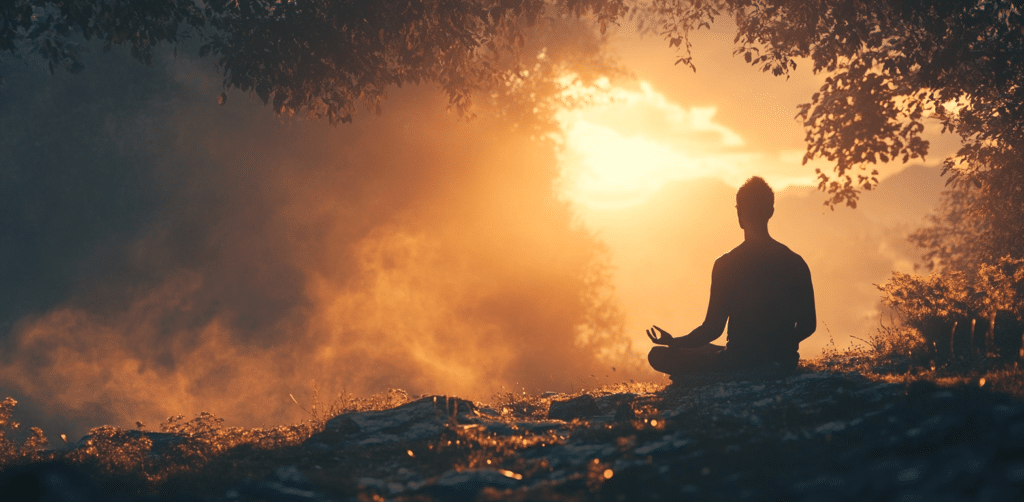
These breathing techniques are easy to integrate into your daily life, whether you are working, driving, or even waiting in a queue. Incorporating these exercises into your routine not only helps you manage stress, but also improves your concentration and overall well-being.
For example, if you feel overwhelmed at work, take a moment to practice 4-7-8 breathing at your desk. Or, if you find yourself in the middle of a difficult conversation, use diaphragmatic breathing to center yourself and calm your emotions before responding.
At the end of the day, these simple techniques not only enrich your yoga practice, but also provide you with valuable tools for navigating daily life with greater serenity and control.
8. Breathing as a Path to Well-Being
Dedicating just a few minutes a day to the practice of conscious breathing can significantly transform our relationship with stress and overall well-being. Breathing is not only vital to our existence; it is also a powerful tool for reconnecting with ourselves and with the present moment. Each conscious inhalation reminds us that well-being is just one breath away. It gives us the opportunity to access our inner peace and to face life with greater calm and strength.
Breathing is a powerful tool, accessible at all times. Through conscious breathing, we can achieve a state of peace and balance that transforms our health and well-being. When you feel anxious or stressed, take a moment to breathe deeply. Each breath holds the opportunity to improve your quality of life and connect with your inner self.
Mastering conscious breathing is not only a path to a fuller life, but it also makes us less reactive, more resilient, and deeply connected to the present. As a tool for healing and self-knowledge, the breath guides us toward a state of well-being, peace, and authentic connection with ourselves and the world around us.