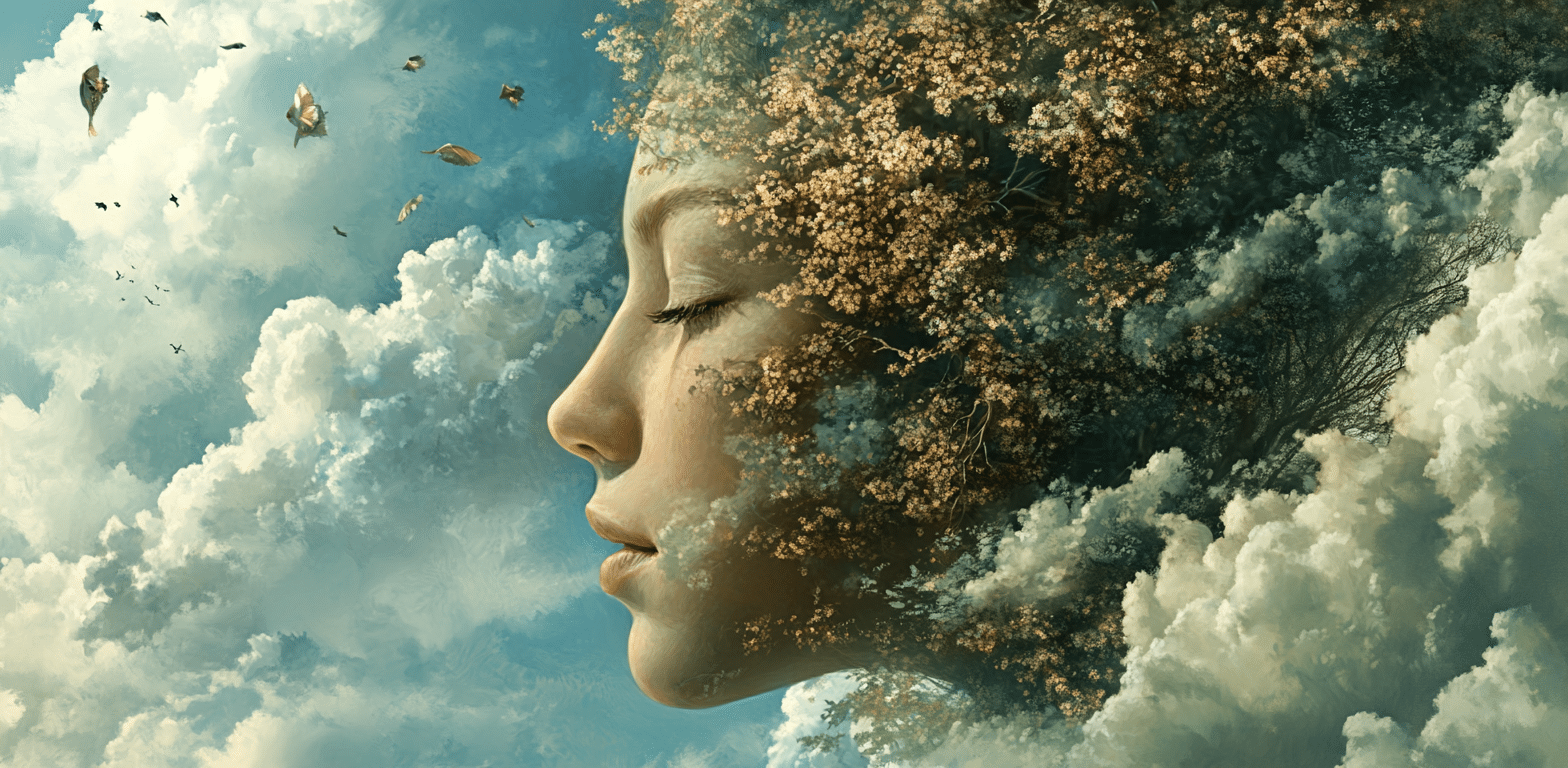



In the vast universe of yoga, the depths of the masculine and the feminine are interwoven, manifesting through the energies of Shiva and Shakti. Beyond distinctions of gender, these energies reside within all of us, creating a dynamic balance that influences our lives and our yogic practice.
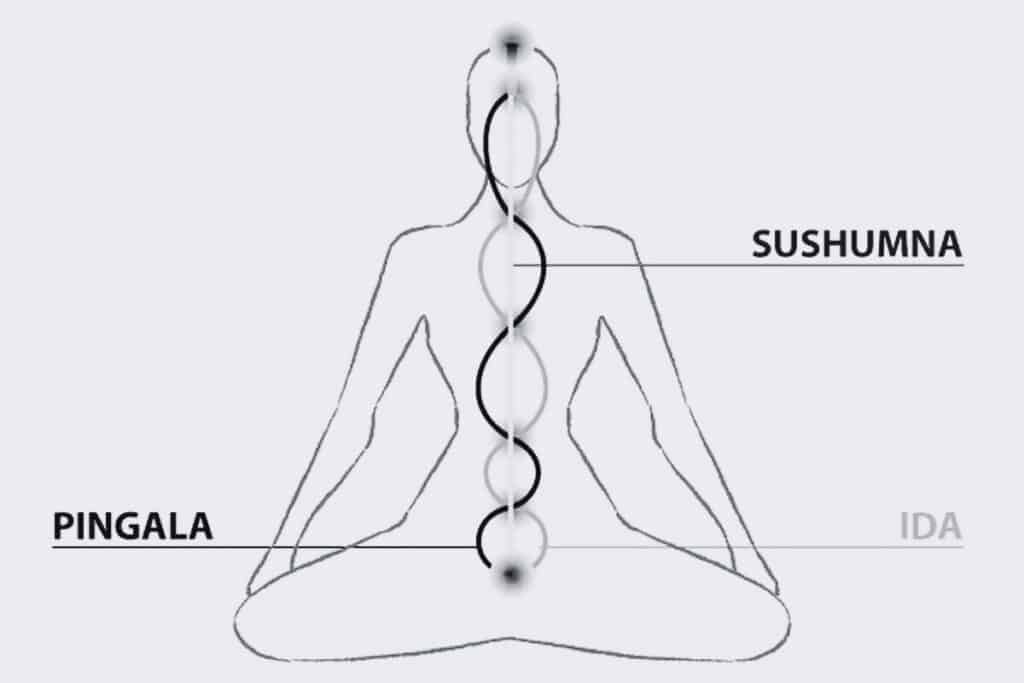
The energy channels Ida and Pingala
Within each of us flow two main energetic currents: Ida and Pingala. Ida, associated with the moon, represents the feminine, passive, and intuitive energy. This energy channel is most active during moments of relaxation and sleep. Pingala, on the other hand, related to the sun, embodies the masculine, active, and rational energy. It activates during the day, allowing us to stay awake and focused on our daily activities. These energies alternate throughout the day and throughout life, but through the practice of yoga and Pranayama, we can bring them into balance, finding harmony in our inner being.
Shiva and Shakti: Duality and complementarity
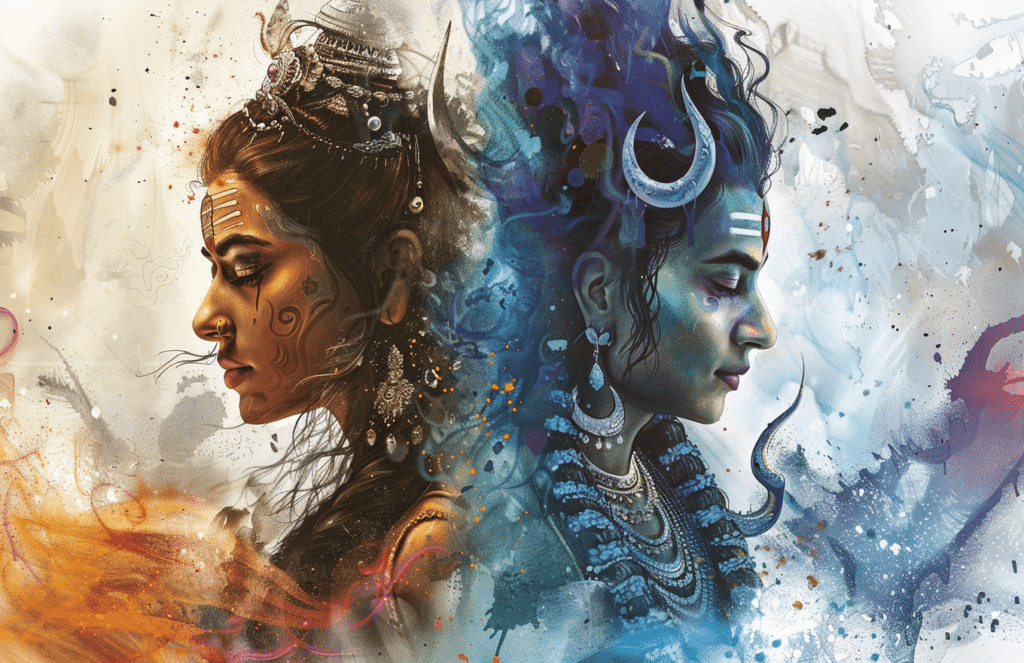
In the Tantric tradition, Shiva and Shakti are the deities who embody these energies. Shiva, the universal masculine principle, represents the transformative force and the eternal innovator. As part of the Trimurti, he is also recognized as the destroyer — not in a negative sense, but as the agent of change and spiritual evolution. Shakti, on the other hand, personifies feminine energy, the source of life and creativity. She manifests in many forms, from the gentle Parvati to the powerful Kali. Together, Shiva and Shakti demonstrate how the masculine and the feminine complement and integrate each other, manifesting their greatest potential when they dance together in harmony.
Transcending Social Roles and Genders
The duality of Shiva and Shakti is not limited to the divine, but is also reflected in everyday life. Beyond the roles and genders imposed by society, we can find inner balance by recognizing and appreciating the energies that reside within us. By understanding the complementarity of these energies, we can transcend the limitations of gender roles and appreciate the diversity and beauty of human existence.
The Dance of Duality
Ultimately, the exploration of masculine and feminine energies in yoga invites us to immerse ourselves in the eternal dance of duality. By integrating these energies within ourselves, we find a profound sense of harmony and wholeness in our lives and our yogic practice. May the wisdom of Shiva and Shakti guide us on our journey toward inner balance and spiritual realization.
Masculine and feminine energies in everyday life
"Shakti and Shiva are, therefore, two complementary and absolutely necessary energies — two opposites that, dancing together, sustain the principles of the world. By internalizing and mastering these concepts, with the help of meditation as well, we will be able to have at our disposal the power of creation.
In everyday life, finding a balance between these energies can be crucial. For example, cultivating masculine energy might involve setting clear goals, making rational decisions, and acting with determination in work or personal projects. At the same time, nurturing feminine energy might manifest in practicing active listening and empathy in our interpersonal relationships, dedicating time to self-care and reflection, or simply allowing ourselves to enjoy moments of creativity and artistic expression without worrying about the results.
Furthermore, finding a balance between work (representative of masculine energy) and self-care (representative of feminine energy) is essential for maintaining health and well-being in daily life. This might involve setting healthy boundaries, delegating tasks when necessary, and regularly dedicating time to both professional development and rest and recreation.
By consciously integrating these energies into our lives, we can cultivate a sense of harmony and wholeness, harnessing the creative power that arises from the union of the masculine and the feminine:
- Asanas and physical practice:
The practice of Asanas in yoga offers an opportunity to experience and balance masculine and feminine energies in the body and mind. For example, postures such as Tadasana (Mountain Pose) represent the masculine energy of Shiva, as they promote stability, strength, and connection with the earth. By practicing Tadasana, one can cultivate the feeling of groundedness and steadiness — qualities associated with masculine energy.
On the other hand, postures such as Child's Pose (Balasana) reflect the feminine energy of Shakti. Balasana is a resting posture that invites surrender, softness, and receptivity. By practicing this posture, one can experience a sense of calm and release, allowing energy to flow in a more fluid and relaxed way.
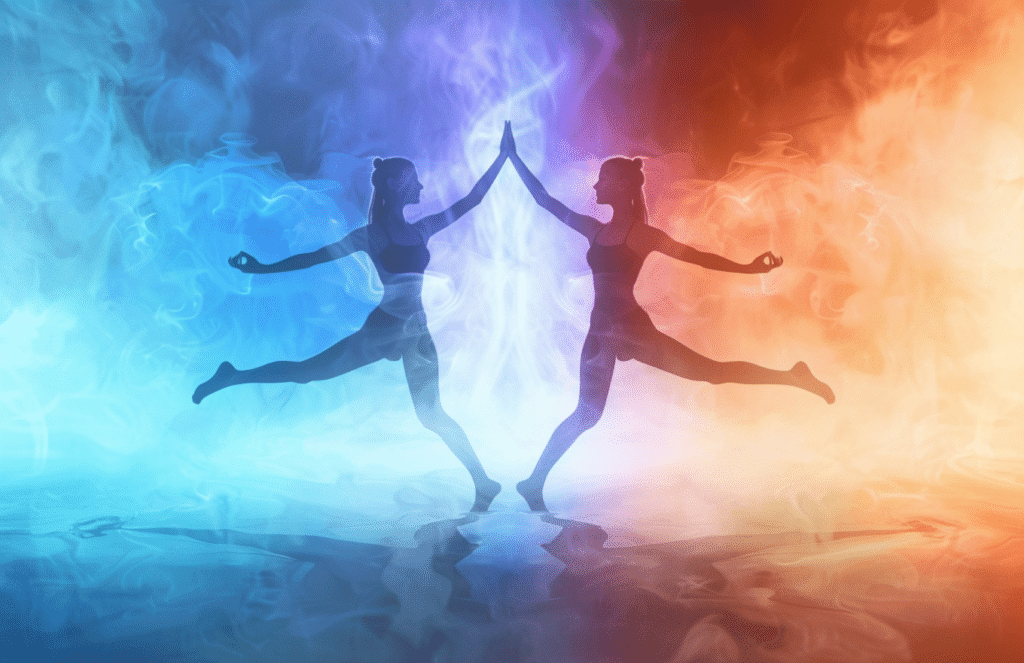
In addition to these postures, there are numerous Asanas that incorporate elements of both energies, such as Warrior Pose (Virabhadrasana). This posture combines the strength and determination of the warrior (masculine energy) with the opening of the heart and the receptivity of the chest (feminine energy). By practicing postures that integrate both energies, we can find a harmonious balance in our body and mind.
- Balance and harmony:
In everyday life, finding a balance between masculine and feminine energies can be essential for maintaining health and well-being. For example, in the workplace, cultivating masculine energy can mean setting clear goals, making rational decisions, and acting with determination to achieve objectives. However, it is equally important to nurture feminine energy by dedicating time to self-care, reflection, and creativity.
In personal relationships, recognizing and honoring these energies can strengthen bonds and promote more authentic and compassionate communication. For example, practicing active listening and empathy (feminine energy) can improve the quality of relationships, while openly expressing needs and desires (masculine energy) can foster mutual understanding and support.
When it comes to self-care, finding a balance between work and rest is fundamental for maintaining physical and emotional health. This might involve setting healthy boundaries at work, delegating tasks when necessary, and regularly devoting time to rest, recreation, and connection with oneself and others.
By consciously integrating these energies into our lives, we can cultivate a sense of harmony and wholeness, harnessing the creative power that arises from the union of the masculine and the feminine. This balance allows us to respond more flexibly and effectively to the challenges and joys of life, celebrating the diversity and complementarity of all forms of energy in the universe.
- Relationships and connections:
Recognizing and honoring these energies within ourselves can also enrich our relationships with others. By understanding and appreciating the different ways in which masculine and feminine energies manifest in others, we can cultivate deeper and more meaningful relationships based on mutual respect and understanding. For example, by recognizing the masculine energy in a coworker who is proactive and decisive, we can value their ability to take initiative and achieve goals, while at the same time appreciating the feminine energy in a friend who is compassionate and receptive, acknowledging their skill for listening and offering emotional support.
- Self-discovery and transformation:
Exploring masculine and feminine energies in yoga can be a journey of self-discovery and personal transformation. By observing how these energies manifest in our lives and practices, we can identify areas of imbalance and work to restore harmony and wholeness in our being. For example, if we notice that we are too focused on work and are neglecting our emotional and spiritual needs, we can take steps to incorporate more self-care activities and rest time into our daily routine. Similarly, if we find that we are suppressing our creative and emotional expression, we can seek opportunities to explore our creativity and express ourselves more authentically.
Conclusion
The exploration of masculine and feminine energies in yoga immerses us in a journey of self-discovery and connection with the wholeness of the universe. By integrating these energies within ourselves, we embark on a path toward authenticity, compassion, and fulfillment. It invites us to look beyond the limitations imposed by gender roles and to appreciate the diversity and complementarity of all forms of energy in the universe.
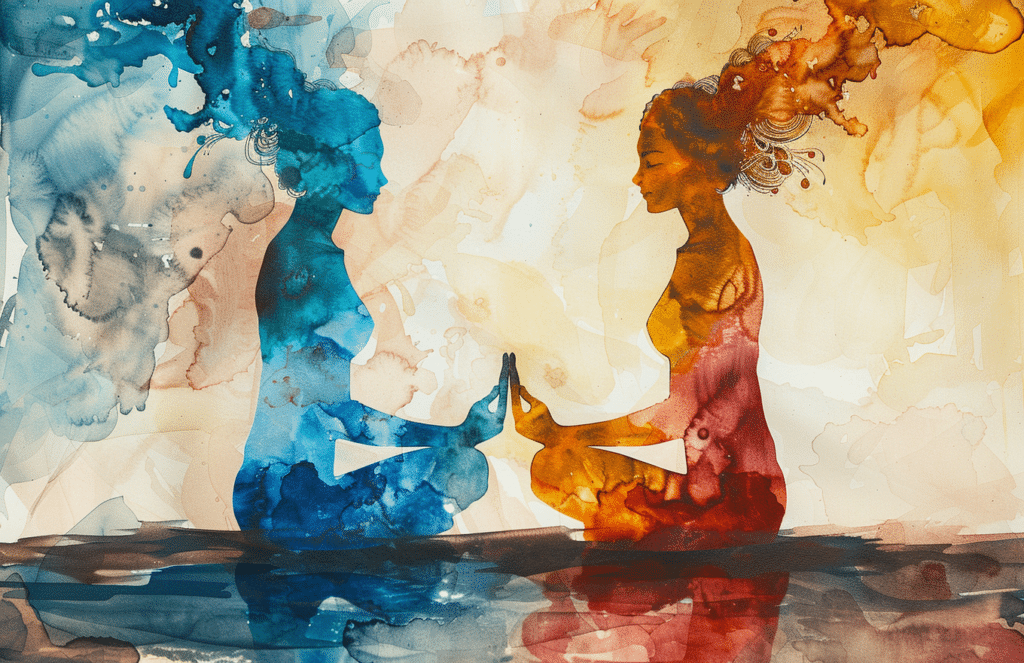
By understanding and honoring masculine and feminine energies, we become witnesses to the eternal dance of duality, recognizing that in the interaction of these forces we find harmony and balance. It teaches us to celebrate both strength and determination — representative of the masculine — as well as receptivity and intuition — characteristic of the feminine — knowing that both are equally important in our everyday lives and in our yoga practice.
This knowledge inspires us to live authentically, accepting all parts of ourselves and of the world around us. It invites us to cultivate deeper and more meaningful relationships, based on mutual respect and an understanding of the different manifestations of energy in others. It challenges us to seek balance in our lives — both in our daily activities and in our interpersonal relationships — recognizing that only through the integration of all energies can we experience true wholeness.
May this understanding guide us on our journey toward self-knowledge and personal transformation, reminding us that every moment is an opportunity to celebrate the diversity and complementarity of all forms of energy in the universe. May it inspire us to live with passion and purpose, embracing our wholeness and sharing our light with the world around us. May in each breath, in each movement, we find connection with the very source of life, reminding us that we are one with the universe and with all that exists.