


When we talk about freedom, what comes to mind? Some say it means being able to do whatever you want, whenever you want, while for others it means having no responsibilities. I used to idealise freedom in these terms too — yet today I am quite clear that freedom is intrinsically linked to your capacity to regulate your emotional world.
When we do not know how to deal with our emotions, we tend to seek that regulation outside of ourselves. The result? Dependencies — more or less harmful, but dependencies nonetheless — that prevent us from being truly free.
This is not an article about controlling your emotions. Below, I explain a series of strategies for understanding them, embracing them and managing them in a healthy way.
1. Becoming aware of our emotional world
Our individual freedom is often hindered by the lack of emotional education we have received. In a world that is increasingly recognising the importance of emotions — especially in the raising of children — we find a shift in focus towards understanding and managing our emotions.
It is crucial to recognise that most of us lack solid emotional management skills, largely due to the influence of previous generations who were not accustomed to expressing and processing their feelings openly. Vulnerability was seen as a weakness, and many of us have grown up in an environment where we were taught to suppress our emotions rather than explore them in a safe way.

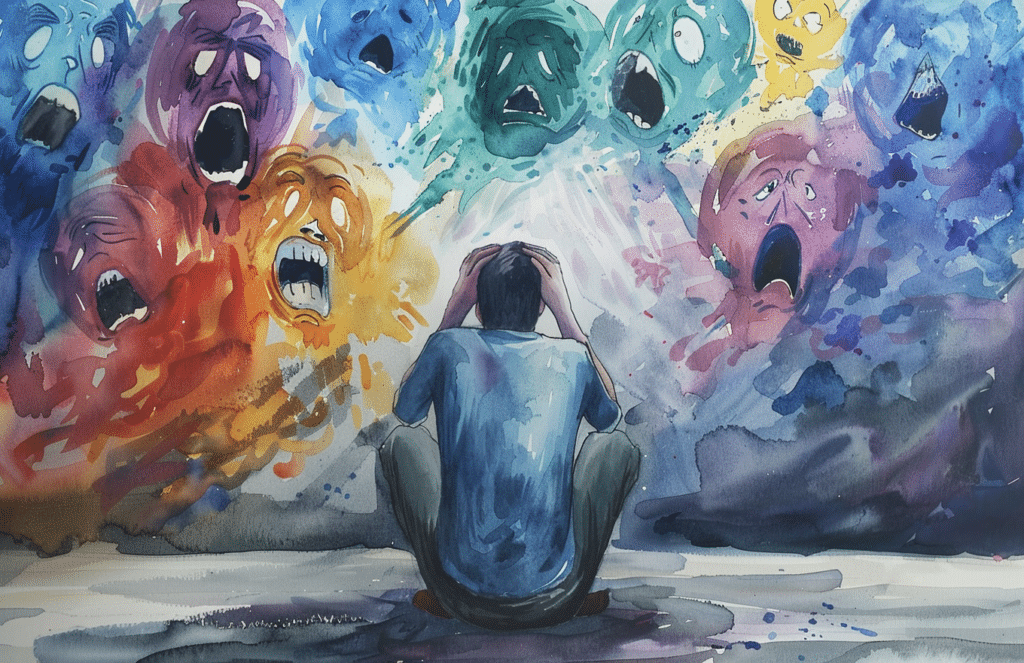
This deficit in emotional education is reflected in the way we relate to our own emotions and those of others. Many of us feel overwhelmed by our emotions, unable to understand their origin or manage their effects. As a result, we tend to react impulsively to them, which can lead to interpersonal conflict, chronic stress and a general sense of unease.
However, by becoming aware of our emotional world and recognising the importance of developing emotional management skills, we can begin to free ourselves from the weight of our emotions and live more authentically and fully. This involves accepting our emotions as a natural part of the human experience, and learning to observe and explore them with curiosity and compassion.
2. Observe your emotions — don't run from them
When we face complex and heavy emotions, we often tend to flee from them, doing whatever it takes to stop feeling. This reaction is understandable, especially when we have not been taught to confront our emotions in a healthy way. However, the truth is that we cannot escape our emotional world — it will be with us wherever we go.

It may seem as though distracting ourselves with activities such as going out to eat with friends or going on a date can dilute those intense emotions for a moment, but sooner or later they return. Ignoring our emotions does not make them disappear — it simply postpones them and allows them to grow in intensity.
Rather than running from our emotions, it is essential to learn to observe them and accept them just as they are. This does not mean we should immerse ourselves in them completely in an overwhelming way, but rather adopt the stance of an observer towards our emotional experiences.
Observing our emotions allows us to better understand their origin and how they affect us. It gives us the opportunity to recognise recurring patterns in our behaviour and helps us develop more effective strategies for dealing with them constructively.
3. Identifying your emotional triggers
Developing emotional awareness is only the first step on the path to stronger emotional self-regulation. Once we have begun to tune in to our emotions and understand how they affect us, the next step is to identify what triggers those emotions.
Emotional triggers are like switches that activate our intense emotional responses. They can be specific situations, certain people or recurring thoughts that plunge us into a torrent of emotions. Recognising our emotional triggers is essential because it gives us a deeper understanding of our own emotional reactions.

Identifying your emotional triggers involves an honest and reflective look at your past and present experiences. Are there certain situations that make you feel anxious, angry or sad? Are there people whose presence or actions trigger an automatic emotional response in you? Are there patterns of thought that leave you feeling overwhelmed or insecure?
By taking the time to reflect on these questions, you can begin to recognise the patterns and signals that precede your intense emotional reactions. You may discover that certain situations trigger painful memories from the past, or that certain people activate your deepest insecurities.
Once you have identified your emotional triggers, you can begin to develop strategies to manage them effectively. This may involve learning stress management techniques, setting healthy boundaries in your relationships or practising self-care regularly. In doing so, you will be taking significant steps towards greater emotional freedom and a more balanced and fulfilling life.
4. Strategies for emotional self-regulation
Think of emotions as water flowing through you — emotional self-regulation means allowing those emotions to flow, neither containing them nor clinging to them. But the only way for emotions to flow is to feel them fully, knowing that their nature is impermanent. And that in our eagerness to avoid pain, we end up causing ourselves more harm than simply feeling the emotion in the first place would have.

Many times we are not even aware of the resistance we have to feeling our own emotions — that fear of being overwhelmed if we open ourselves to feeling is the yoke that prevents us from experiencing a true sense of complete freedom. Feeling is for the brave, even if we have been conditioned to think otherwise. And feeling is the only path to true freedom.
Once you have summoned your courage and are willing to pay attention to your emotional world, the most important thing to remember is that no emotion will stay with you forever, and that however uncomfortable or unpleasant it may seem, its nature is to flow and dissolve. Here are the 3 most effective strategies for approaching your emotional world without feeling the vertigo of someone peering over a cliff:
1. Moving the body
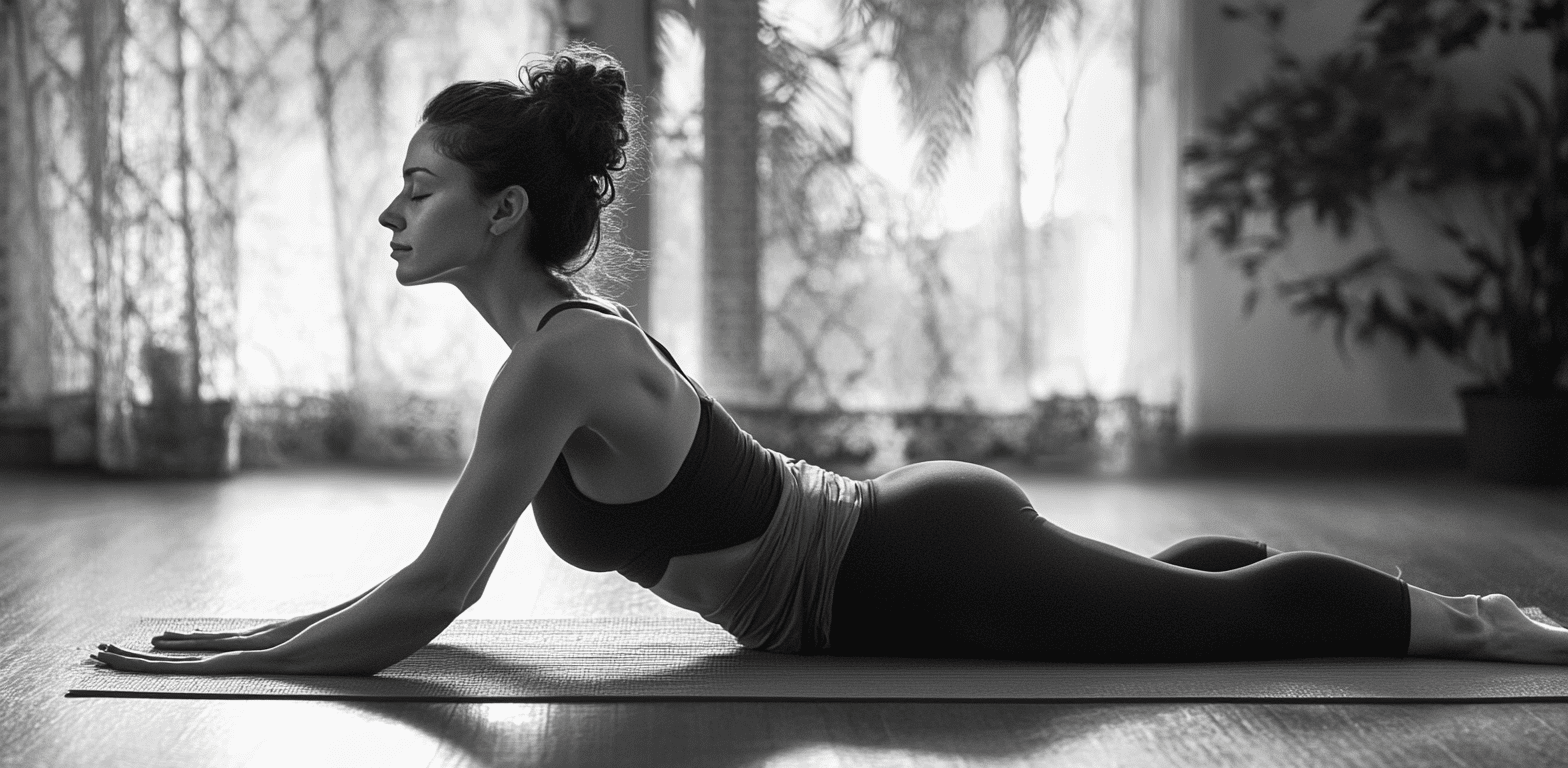
Moving the body is one of the most effective ways to regulate the nervous system and manage our emotions. Whether through physical exercise, dance, yoga, tai chi or qi gong, each of these practices offers unique benefits for our emotional well-being.
Physical exercise in general is well known for its ability to release endorphins — the well-being hormones — which help us feel happier and more relaxed. Beyond this, movement of the body also has the power to move emotions. When we move, we are releasing the energy that has accumulated in our body, which can help release emotional tension and relieve stress.
Dance, for example, allows us to express ourselves creatively and release emotions through movement. Dancing connects us with our body and helps us channel our emotions in a healthy and expressive way. Whether we are dancing alone in our room or in a class with others, dance gives us a fun and liberating way to process our emotions.
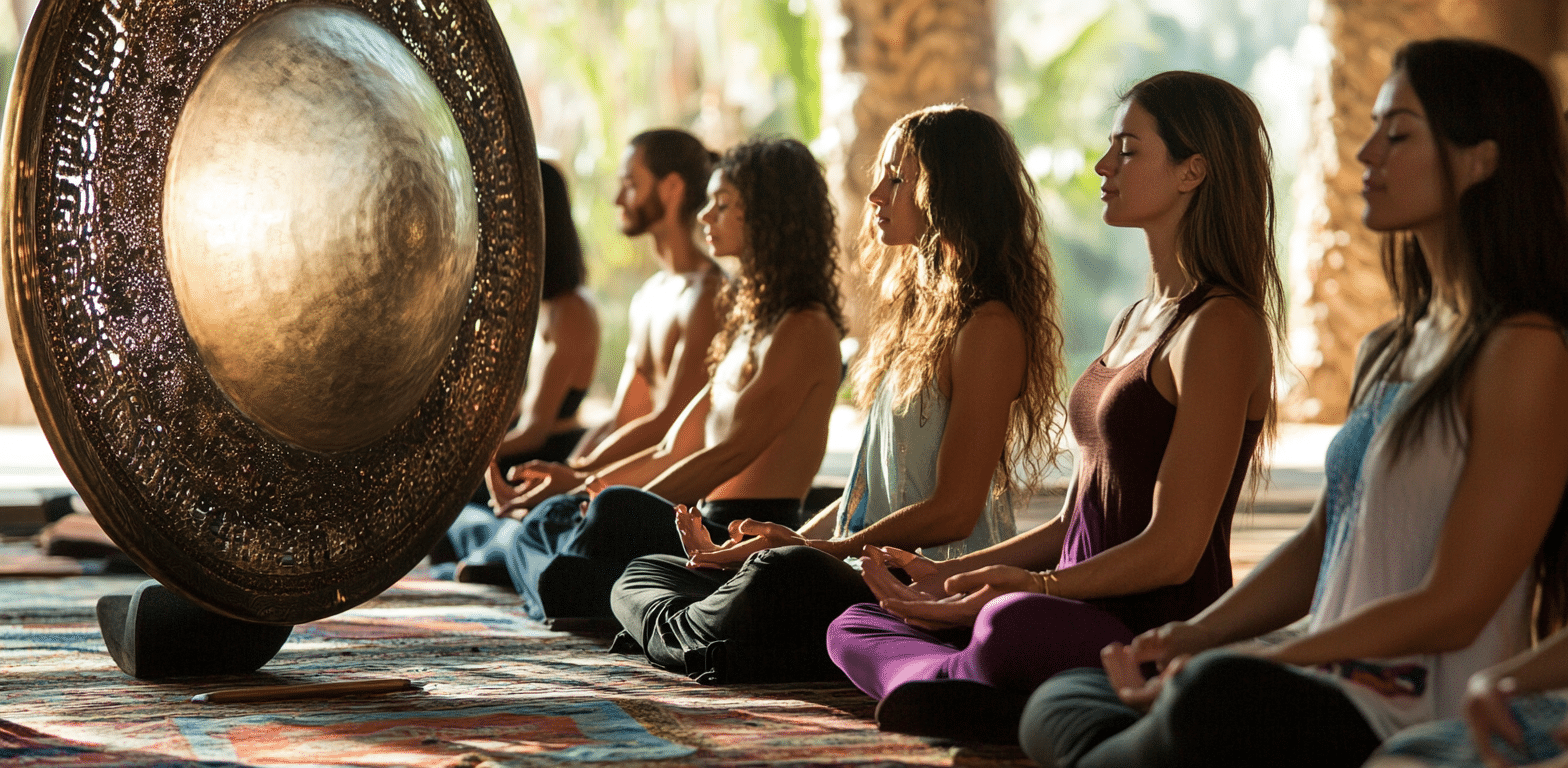
Yoga, tai chi and qi gong, on the other hand, combine physical movement with conscious breathing and mindfulness. These practices help us tune in to our body and our breath, which can be especially useful for calming the nervous system and reducing stress.
2. Breathing Techniques
In this area we also find different approaches, of which I recommend the breathing techniques of yoga or pranayama. Although many yoga schools do not go deeply into this ancestral practice, the pranayama is considered the very essence of yoga.
Pranayama, which means «control of vital energy» in Sanskrit, is a discipline that focuses on the conscious regulation of breathing to influence the flow of prana, or vital energy, in the body. Through various breathing techniques, pranayama seeks to harmonise mind, body and spirit, thereby promoting a state of balance and holistic well-being.
Much more information about pranyama and its benefits at www.legadoyogi.com.
3. Mindfulness Practice
The practice of mindfulness is a powerful tool for cultivating self-awareness and managing emotions effectively. A daily meditation practice is ideal for setting aside dedicated time to be alone with yourself.
This practice can be carried out at any time and in any place, integrating it into everyday activities such as commuting to work, going for a walk or even washing the dishes. During this time, the goal is to be fully present, being aware of every movement, every thought and every sensation that arises.
An effective way to begin is by using routine activities, such as brushing your teeth, as a starting point. While performing this familiar task, you can focus on every detail of the process: the sound of the water, the feeling of the brush against your teeth, the texture and taste of the toothpaste.

In summary, our freedom is closely tied to how we manage our emotions. Recognising and handling our emotions frees us from emotional dependencies.
The lack of emotional education has been a significant obstacle for many of us, but by acknowledging this deficit and committing to cultivating greater emotional awareness, we can begin to free ourselves from the weight of our emotions and live more authentically and fully.
Observing our emotions without fleeing from them, identifying our emotional triggers and practising mindfulness are fundamental steps on this journey towards emotional self-regulation. By learning to move our body, use breathing techniques and practise mindfulness, we can develop effective skills for managing our emotions constructively.
Feeling our emotions fully is essential to individual freedom. By accepting our emotions and allowing ourselves to feel them without judgement, we open the door to a more authentic and meaningful life.