


Mudras, those gestures and hand positions we find in yoga, are far more than simple movements. Through centuries of practice and study, it has been shown that mudras can have profound effects on our physical, mental and emotional health. This article explores what mudras are, the science behind them, their benefits, and how you can incorporate them into your daily yoga practice.
What Is a Mudra?
The word «mudra» translates as «gesture» or «attitude». Mudras are gestures that involve specific positions of the hands and fingers, but they can also engage the whole body. Their purpose is to influence the pranic energy of the body, helping to link individual pranic force with universal or cosmic force. Mudras can alter mood, attitude and perception, as well as deepen awareness and concentration.
The science behind mudras
From a scientific perspective, mudras act on the unconscious reflexes and instinctive habit patterns that originate in the primitive areas of the brain. Each mudra establishes a unique link that affects the body, mind and prana. Regular practice of mudras can help break deeply ingrained behavioral patterns and establish a more refined and balanced awareness.
Neuroscience studies suggest that mudras can activate and deactivate certain areas of the brain, promoting neuroplasticity — the brain's capacity to reorganize itself and form new neural connections. This plasticity can be fundamental for overcoming unwanted habits and improving mental and emotional health.
Benefits of mudras
Regulation of Energy Flow: They help regulate the flows of energy in the body, balancing the five elements (fire, air, space, earth and water). This balance is fundamental in various traditional medicine practices, such as Ayurveda, which seeks to harmonize these elements to maintain health and wellbeing.
Spiritual Connection: They act as gateways to spirituality, facilitating meditation and inner connection. Practicing meditation with a focus on spiritual connection can lead to greater awareness of oneself and the universe, promoting a profound sense of peace and purpose.
Physical and Mental Health: They build immunity, purify the nerves and positively affect the glands and their hormonal activity. Maintaining optimal physical and mental health involves a robust immune system and proper hormonal balance, both essential for preventing illness and improving quality of life.
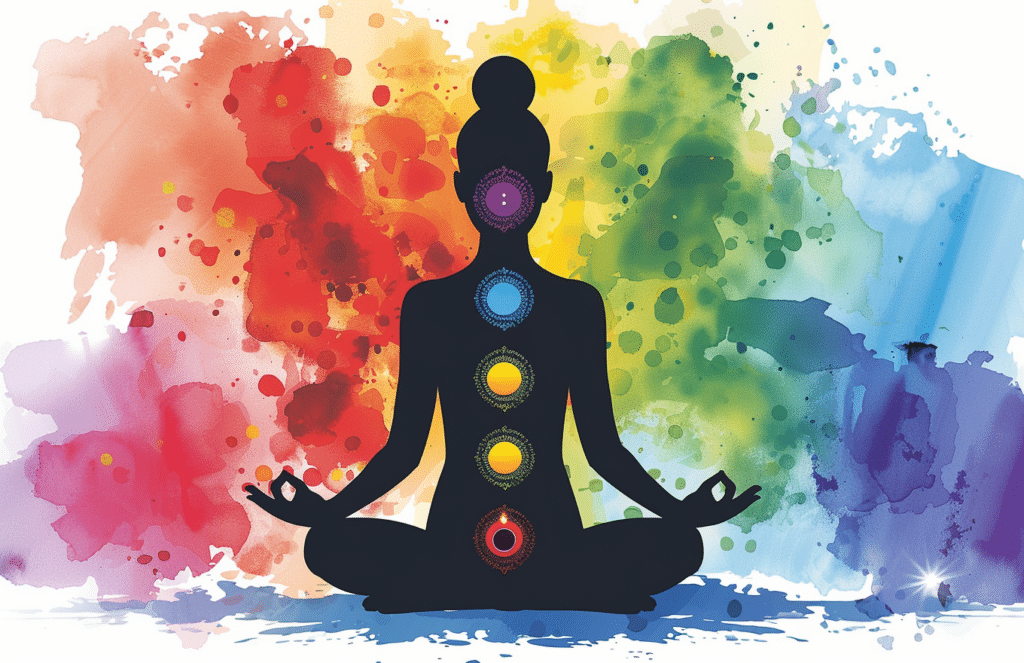
Chakra Balance: They affect the seven chakras of the body, influencing our physical, mental and spiritual health. The chakras, according to Hindu tradition, are energy centers that correspond to different aspects of our being. Keeping these chakras balanced can result in better emotional health, greater mental stability and a deeper spiritual connection.
Types of mudras
1. Mana Mudras (Head Mudras)
They involve sensory organs such as the eyes, ears, nose, tongue and lips. These mudras are advanced techniques in the practice of yoga and meditation, designed to direct energy and awareness through the sensory organs, facilitating higher states of perception and concentration.
Examples:
Shambhavi Mudra: Focusing the gaze between the eyebrows without blinking. This mudra improves concentration and activates the third eye (Ajna Chakra), considered the center of intuition and spiritual perception. Regular practice of Shambhavi Mudra can help calm the mind, improve the ability to focus and develop a sharper intuition.
Khechari Mudra: Inserting the tongue into the nasal cavity. Although this description may seem strange, Khechari Mudra is an advanced technique that, according to yogic texts, can induce states of deep meditation and longevity. This practice involves training the tongue to lengthen it, eventually bringing it toward the nasal cavity to stimulate certain glands and nerves, which is believed to help control prana (vital energy) and prolong life.
2. Kaya Mudras (Postural Mudras)
They combine physical postures with breathing and concentration. Kaya Mudras are an integral practice in yoga, where body alignment, controlled breathing and a focused mind come together to generate profound benefits at both the physical and energetic levels.
Examples:
Vipareeta Karani Mudra: Inverting the body with the legs raised upward. This mudra, also known as «legs-up-the-wall pose,» is renowned for its calming and rejuvenating effects. It helps balance the chakras and improves blood circulation, relieving pressure in the legs and promoting venous return. Additionally, this posture can help relieve anxiety and stress, improve digestion and support lymphatic drainage.
Prana Mudra: Joining the thumb with the ring finger and little finger. This mudra increases vitality and strengthens the immune system by activating the flow of prana (vital energy) in the body. Prana Mudra is particularly useful for increasing physical and mental endurance, improving vision and fostering an overall sense of wellbeing. Practicing this mudra regularly can help balance energy levels and strengthen the connection between body and mind.
3. Bandha Mudras (Lock Mudras)
They are applied at the throat, abdomen and pelvic area to redirect the flow of prana. Bandha Mudras are advanced techniques in yoga practice that involve muscular and energetic locks to control and redirect vital energy within the body, promoting stability and physical and spiritual integration.
Examples:
Jalandhara Bandha: Throat lock. This mudra is performed by lowering the chin toward the chest while holding the breath. Jalandhara Bandha stimulates the thyroid and parathyroid glands, helping to regulate metabolism and hormonal balance. Additionally, this lock can improve respiratory system function and calm the nervous system, reducing stress and anxiety.
Mula Bandha: Perineal contraction. This mudra involves the contraction of the pelvic floor muscles, and is used to control and raise sexual energy toward the higher chakras. Mula Bandha strengthens the pelvic muscles, improves the stability of the pelvis and spine, and helps prevent issues related to incontinence. At an energetic level, it promotes the ascent of prana along the spine, supporting meditation and spiritual awakening.
4. Adhara Mudras (Perineal Mudras)
They are performed at the pelvic floor to harness and redirect sexual energy. Adhara Mudras are specific yoga practices that involve the activation and control of the pelvic floor muscles, which can have profound effects on the physical and energetic health of the practitioner.
Examples:
Ashwini Mudra: Contraction and relaxation of the anal sphincter. This mudra helps channel energy toward the spine. Regular practice of Ashwini Mudra can strengthen the pelvic floor muscles, improve control over bowel movements and stimulate the flow of prana (vital energy) toward the higher chakras. It is particularly useful for improving emotional stability and concentration during meditation.
Vajroli Mudra: Contraction of the urogenital muscles. This mudra promotes the regeneration of sexual energy and its transformation into spiritual energy. Vajroli Mudra strengthens the muscles of the urogenital area, improving reproductive and urinary health. At an energetic level, this practice facilitates the conservation of sexual energy and its transmutation into higher forms of energy, supporting spiritual growth and deep meditation.
5. Hasta Mudras (Hand Mudras)
Performed by joining the fingers of the hand with the thumb, they redirect pranic energy. Hasta Mudras are symbolic and energetic gestures made with the hands that are used in the practice of yoga and meditation to influence the flow of energy in the body and mind.
Examples:
Prana Mudra: Joining the thumb with the ring finger and little finger. This mudra increases vitality and strengthens the immune system. Prana Mudra activates the flow of prana (vital energy) in the body, helping to balance the internal elements and improve physical and mental endurance. Additionally, this practice can increase the overall sense of wellbeing and reduce stress.
Gyan Mudra: Joining the thumb with the index finger. This mudra improves concentration and memory, and is excellent for meditation. Gyan Mudra, also known as the mudra of knowledge, symbolizes the union of individual consciousness (the index finger) with universal consciousness (the thumb). This hand position helps to calm the mind, increase mental clarity and deepen meditative practice, facilitating states of introspection and wisdom.
How to practice hasta mudras
Our fingers represent the five basic elements of nature: air, fire, space, earth and water. By joining the fingers with the thumb, we can increase bioenergy and balance these elements in the body.
Thumb + Index Finger (Air): Improves memory and intellect. This gesture, known as Gyan Mudra, is ideal for students and people who need to improve their concentration and cognitive abilities. It is believed that this combination also helps reduce insomnia and anxiety.
Thumb + Ring Finger (Earth): Increases strength and vitality. Known as Prithvi Mudra, this mudra helps improve overall physical health, strengthening bones and tissues. It is especially useful for people who feel weak or depleted.
Thumb + Little Finger (Water): Increases youthfulness and water content in the body. This mudra, called Varun Mudra, is beneficial for the skin and helps keep it hydrated and youthful. It can also be useful for balancing emotions and promoting clear communication.
Thumb + Middle Finger (Space): Facilitates connection with sound and inner space. Shuni Mudra, as it is known, helps increase patience and discipline. It promotes deep meditation and introspection, helping to connect with inner space and the primordial sound of the universe.
When you bend any of the fingers and press it with the thumb, balance is restored by reducing the excess energy of the element represented by that particular finger. For example, bending the middle finger and pressing it with the thumb can help reduce the excess energy associated with space, promoting greater emotional and mental stability.
Guidelines for practicing mudras
- Flexible Posture: Practice mudras in any posture: seated, standing, walking, etc. Some mudras yield better results in specific postures such as the lotus (Padmasana) or easy pose (Sukhasana).
- Duration: Ideally, practice each mudra for 45 minutes per day, or in sessions of 15 minutes, three times a day. This allows energy to accumulate and be distributed evenly.
- Symmetry: Use both hands simultaneously to balance both sides of the body. This helps maintain harmony between the right and left hemispheres of the brain.
- Breathing and Meditation: Combine mudras with deep breathing, pranayama and meditation for better results. Conscious breathing amplifies the effects of mudras.
- Integration with Other Therapies: Mudras can be complemented with other yoga practices and therapies such as Ayurveda, acupuncture and meditation.
- Combined Mudras: You can apply two different mudras at the same time, one with each hand. However, mutually antagonistic mudras will not provide any benefit. For example, Prithvi Mudra on one side (to gain weight) and Surya mudra on the other (to lose weight) will have opposing effects.
- Immediate and Long-Term Effects: Some yoga mudras work instantly for colic, earache and angina. However, in chronic cases a long and continuous practice of 30 to 45 days is required to achieve the desired results.
- Complement to Yoga Practice: If you practice hasta yoga mudras together with yoga postures, breathing practices — that is, pranayama — meditation and a proper, balanced diet, you will receive incredible results and benefits.
Practical exercises to get started
Here are some simple mudras you can begin practicing today:
Gyan Mudra (Mudra of Knowledge)
- How to do it: Touch the tip of the index finger to the tip of the thumb, while keeping the other three fingers extended.
- Benefits: Improves concentration and memory, calms the mind and is excellent for meditation.
Prana Mudra (Mudra of Life)
- How to do it: Touch the tip of the little finger to the tip of the thumb, while keeping the other three fingers extended.
- Benefits: Increases vitality and strengthens the immune system.
Apana Mudra (Mudra of Elimination)
- How to do it: Touch the tip of the middle finger to the tip of the thumb, while keeping the other three fingers extended.
- Benefits: Aids in the elimination of toxins from the body, improves digestion and relieves constipation.
Shunya Mudra (Mudra of Emptiness)
- How to do it: Bend the middle finger and press the tip with the thumb, while keeping the other three fingers extended.
- Benefits: Relieves earache, improves hearing and promotes concentration.
Surya Mudra (Mudra of the Sun)
- How to do it: Touch the tip of the ring finger to the tip of the thumb, while keeping the other three fingers extended.
- Benefits: Increases body heat, stimulates metabolism and aids in weight loss.
Exploring the power of mudras
Mudras are an integral part of yoga, but their influence extends far beyond the mat. With a deeper understanding of these sacred gestures, you can harness their power to transform your life.
Experiment with different mudras, maintain a consistent practice and observe how they affect your body, mind and spirit. Over time, you will discover that mudras are an invaluable tool on your journey toward total wellbeing.
In conclusion, mudras are a treasure of ancient wisdom that remains relevant in the modern world. By incorporating them into your yoga practice and daily life, you can unlock an untapped potential for healing, vitality and spiritual fulfillment.