


In the dizzying pace of modern life, where stress is omnipresent and chronic illness is increasingly common, it is essential to explore holistic methods that strengthen our physical and mental health. In this regard, Pranayama, an ancestral yoga practice, emerges as a powerful tool for improving immunity and promoting integral well-being.
From a medical perspective supported by scientific studies, regular pranayama practice has been shown to significantly strengthen the immune system. For example, a study published in the Journal of Ayurveda and Integrative Medicine found that Pranayama can modulate the immune system's response, increasing the production of immune cells and improving the function of the organs responsible for the body's defense against pathogens.
Furthermore, research conducted at Harvard University suggests that conscious breathing, such as that practiced in pranayama, can reduce stress and promote a state of relaxation, which in turn enhances immune function. These findings support the efficacy of pranayama as an effective tool for strengthening health and preventing illness.
Another study published in the "Journal of Alternative and Complementary Medicine" found that practicing Pranayama over an eight-week period resulted in a significant increase in the activity of key immune cells, such as lymphocytes and macrophages, which play a crucial role in identifying and destroying infectious agents.
Additionally, it has been observed that Pranayama can reduce levels of cortisol, the stress hormone, in the body. Chronic stress has been associated with suppression of the immune system, which increases susceptibility to illness. By regulating cortisol levels, Pranayama helps restore immune balance and strengthen the body's natural defenses.
In this article, we will explore five powerful Pranayama techniques that, when practiced regularly, can strengthen the immune system, promote overall health, and provide a lasting sense of well-being.
In the pursuit of optimal health, yoga and pranayama have emerged as fundamental tools. In particular, pranayama, the discipline of breath control, offers a powerful pathway to strengthening the immune system and promoting general well-being. We will explore five essential techniques that can make a real difference in your health and vitality.
1. Bhastrika pranayama: Strengthening Immunity with Respiratory Power
Bhastrika, or bellows breath, is a dynamic practice that involves rapid inhalation and exhalation through the nose. This vigorous pranayama increases the circulation of oxygen in the body, thereby strengthening the immune system and improving resistance to illness. However, it is crucial to practice with caution, especially if you have conditions such as high blood pressure or asthma.
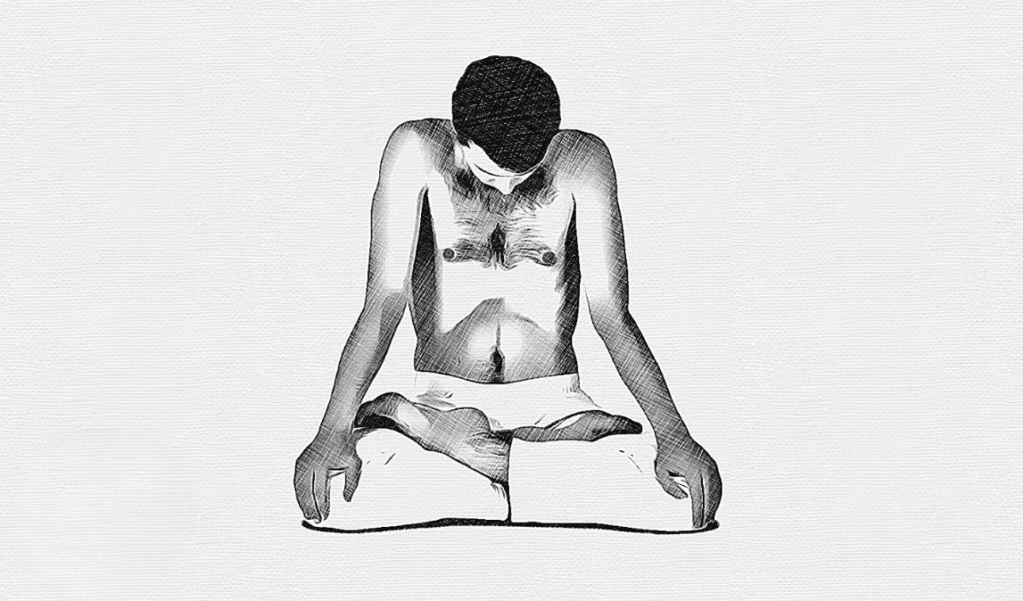
Additional Benefits:
- Boosts vital energy: Bhastrika stimulates the flow of prana, or vital energy, in the body, which can increase vitality and overall well-being.
- Improves digestion: By increasing the flow of oxygen and energy in the body, Bhastrika can also improve digestive function and relieve gastrointestinal issues.
2. Kapalbhati pranayama: Purifying Body and Mind
Kapalbhati, known as frontal cleansing, is a breathing technique that involves rapid, forceful exhalations while contracting the abdominal muscles. This invigorating practice not only promotes detoxification of the body, but also strengthens the immune system by stimulating the flow of prana, or vital energy. Kapalbhati has been observed to improve mental and emotional health by relieving stress and anxiety.
Additional Benefits:
- Detoxifies the body: Kapalbhati stimulates the lymphatic system and helps eliminate toxins from the body, which can improve overall health and strengthen immunity.
- Promotes mental clarity: By increasing the flow of oxygen to the brain, Kapalbhati can improve concentration and mental clarity, which can be beneficial in situations of stress or mental fatigue.
3. Anulom-Viloma pranayama: Balancing Vital Energy
Anulom-Vilom, also known as alternate nostril breathing, is a practice that involves alternating between the right and left nostrils during breathing. This pranayama harmonizes the flow of energy in the body, thereby strengthening the immune system and improving overall health. Additionally, Anulom-Vilom promotes mental clarity and concentration, which can be beneficial for those seeking to calm the mind and reduce stress.
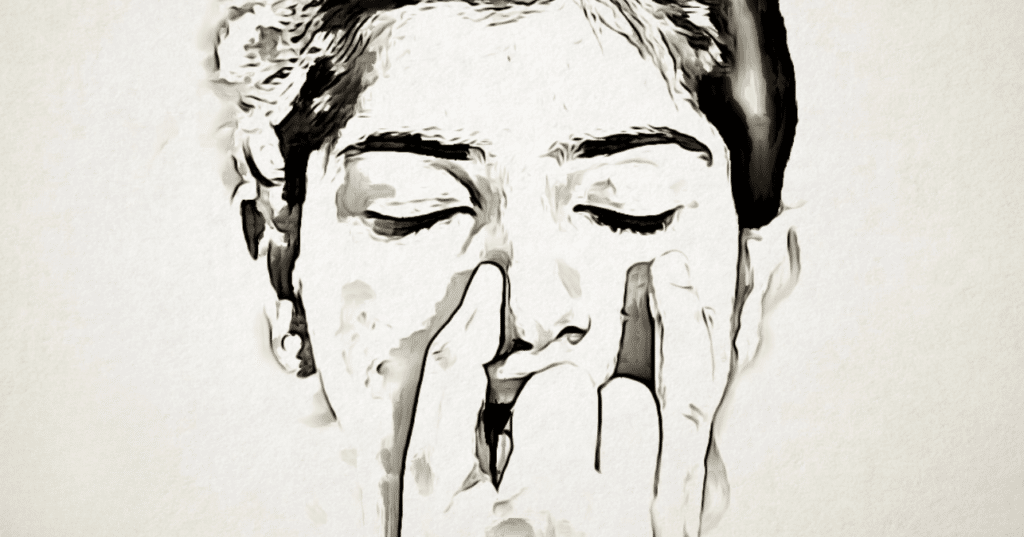
Additional Benefits:
- Regulates the nervous system: Anulom-Vilom helps balance the autonomic nervous system, which can reduce the stress response and promote relaxation and well-being.
- Improves respiratory function: By alternating between nostrils, Anulom-Vilom improves lung function and promotes more efficient, deeper breathing.
4. Bhramari pranayama: Calming the Mind and Body
Bhramari, or humming bee breath, is a pranayama technique that involves producing a gentle humming sound during exhalation. This practice has a calming effect on the nervous system, which can reduce stress and improve sleep quality. By calming the mind and body, Bhramari strengthens the immune system and promotes emotional health.
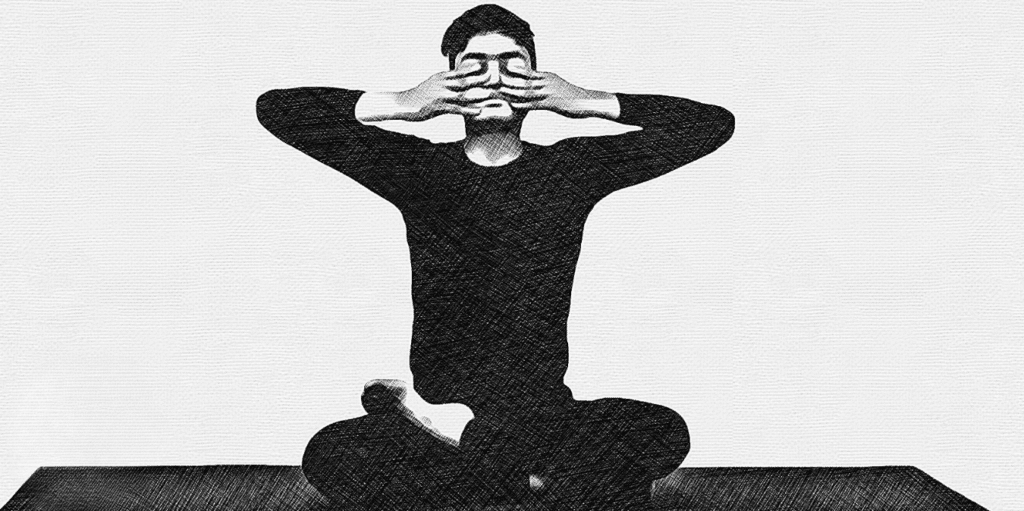
Additional Benefits:
- Relieves anxiety and tension: The gentle humming produced during Bhramari has a soothing effect on the nervous system, which can reduce anxiety and accumulated tension.
- Promotes introspection and relaxation: Bhramari can induce a state of deep relaxation and facilitate introspection and meditation, which can be beneficial for mental and emotional health.
5. Udgeetha pranayama: Tuning In to the Vibration of the Universe
Udgeetha, also known as Om chanting, is a form of pranayama that involves the repetition of the sound Om during exhalation. This practice connects the practitioner with the universal vibration, thereby promoting harmony and balance in body and mind. By aligning the self with cosmic energy, Udgeetha strengthens the immune system and fosters holistic health.
Additional Benefits:
- Fosters spiritual connection: Chanting Om during Udgeetha can help tune in to the divine and foster a sense of connection and unity with the universe.
- Relieves stress and tension: The repetition of the sound Om has a calming effect on the mind and body, which can relieve stress and accumulated tension.
Integrating Pranayama into Your Daily Routine
In addition to dedicating a few minutes each day to practicing these pranayama techniques, consider incorporating them at different moments of your daily routine to maximize their benefits. Here are some ideas for integrating Pranayama into your daily life:
- Upon waking: Begin your day with a few minutes of pranayama to set a positive and energizing tone. Deep, conscious breathing can help awaken body and mind, preparing you to face the day with calm and clarity.
- During work: If you spend a lot of time sitting in front of a computer, take brief breaks to practice pranayama. Even a few minutes of conscious breathing can help relieve stress, improve concentration, and revitalize your energy.
- Before meals: Try doing a few rounds of pranayama before your main meals. This can help calm the nervous system, improve digestion, and increase your mindful awareness of eating, which can lead to healthier eating habits.
- Before bed: End your day with a pranayama session to relax body and mind before sleep. Deep, conscious breathing can help reduce insomnia, promote restorative sleep, and prepare you for a rejuvenating rest during the night.
- In moments of stress: When you feel overwhelmed or anxious, take a break and practice pranayama to recover calm and serenity. Conscious breathing can be a powerful tool for managing stress and cultivating emotional resilience in difficult moments.
Remember that consistency is key when it comes to practicing pranayama. As you integrate these techniques into your daily life, observe how your physical, mental, and emotional health gradually transforms. And it is always advisable to consult a healthcare professional if you have any medical concerns before beginning any new practice. May your journey toward optimal health be filled with inspiration and transformation!