


Yoga is an ancient practice that goes far beyond a simple physical activity; it is a holistic discipline encompassing mental, spiritual, and physical dimensions. However, as its popularity has grown in the modern world, so too have the myths about yoga that can distort the true essence of this practice. Many of these myths and misconceptions have created barriers that prevent people from experiencing the profound benefits yoga can offer. In this article, we aim to debunk some of the most common false beliefs about yoga, so that you can better understand its true benefits and its transformative potential in everyday life.
1. Yoga Requires Flexibility
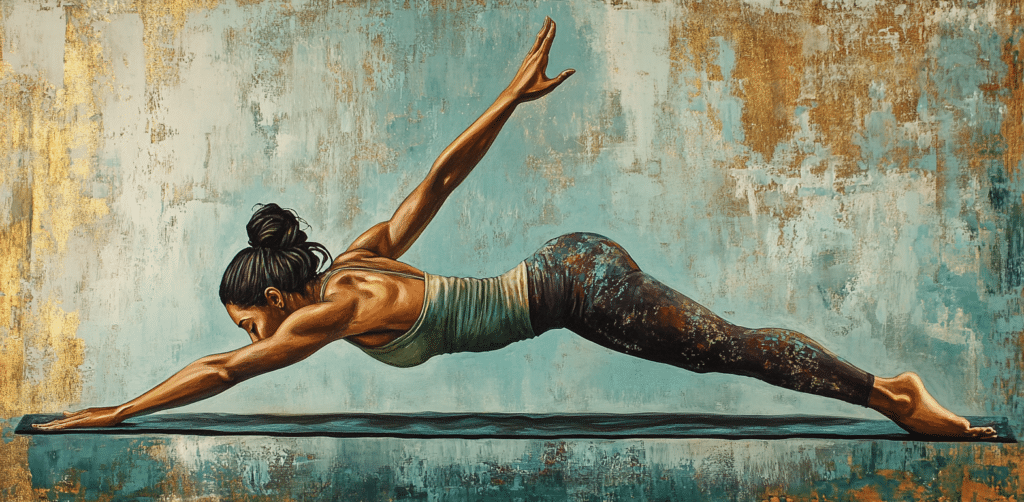
Myth: "Yoga is only for flexible people"
This is one of the most common misconceptions. Many people believe that yoga is a practice reserved for those who can already touch their toes or perform complex postures, creating a mental barrier that prevents many from even trying a yoga class. The perception that flexibility is a prerequisite makes those who consider themselves "stiff" feel intimidated or inadequate.
Reality: Yoga improves flexibility over time
Yoga does not require flexibility — it develops it. The core idea of yoga is to cultivate a strong body and a serene mind through the gradual practice of postures (Asanas), breathing exercises (Pranayama), and meditation. Flexibility is just one of the many physical benefits that can be gained over time. In fact, people of all ages and fitness levels — from beginners to advanced practitioners — can practice yoga, adapting the postures to their individual abilities.
Starting with limited flexibility is completely normal and expected. As you practice regularly, your range of motion improves naturally, and your body gradually adapts to postures that once seemed impossible. Studies have shown that practicing yoga regularly (3–4 times per week) not only increases muscular flexibility, but also joint mobility and balance. What is more, experienced yogis often emphasize that yoga is less about how physically flexible you are and more about the mind-body connection and full awareness.
Furthermore, many yoga postures have modifications and variations that allow beginners to work within their range of motion without straining the body. For example, if you cannot touch your toes, you can use yoga blocks, straps, or bend your knees to achieve the posture safely and effectively.
2. Yoga is Associated with Religion
Myth: "Yoga is associated with a specific religion"
This myth arises from the historical and cultural roots of yoga, which are linked to the spiritual traditions of India, such as Hinduism, Buddhism, and Jainism. Some people believe that by practicing yoga they are participating in religious rituals, or that they must adopt specific spiritual beliefs in order to benefit from the practice. This perception can give rise to reservations, especially among those who practice different religions or hold no religious beliefs.
Reality: Yoga is not a religion, but a universal practice
Although the origins of yoga are rooted in the ancient philosophies of India, yoga itself is not a religion. It is a practical and spiritual discipline that can be embraced by anyone, regardless of their religious beliefs or lack thereof. It is important to recognize that yoga is a tool for physical and mental well-being, whose primary goal is the connection between body, mind, and spirit, but it does not require adherence to any specific doctrine.
Yoga postures (Asanas), breathing techniques (Pranayama), and meditation — which are essential elements of modern yoga — are designed to improve physical health, reduce stress, and promote self-reflection. These benefits are fully accessible to practitioners of all cultures, religions, or philosophical backgrounds. Rather than imposing itself as a belief system, yoga invites each person to experience their own inner journey, which may or may not include a spiritual dimension, depending on the practitioner's own approach.
The fact that yoga has spread throughout the world and been adopted in different contexts shows its capacity to adapt to diverse ways of life. For example, religious people of different faiths can find in yoga a complementary practice for their spiritual life, without it conflicting with their beliefs. At the same time, those who do not follow any religion or identify as atheists can benefit from yoga simply as a technique for physical and mental improvement.
Furthermore, many scientific studies support the positive effects of yoga on mental and physical health, reinforcing its application as a wellness practice, beyond any religious connotation. In clinical and medical settings, yoga is often used as a form of therapy, focused on reducing anxiety, depression and stress, improving patients' quality of life.
3. Pregnant Women and Women During Menstruation Should Not Practice Yoga
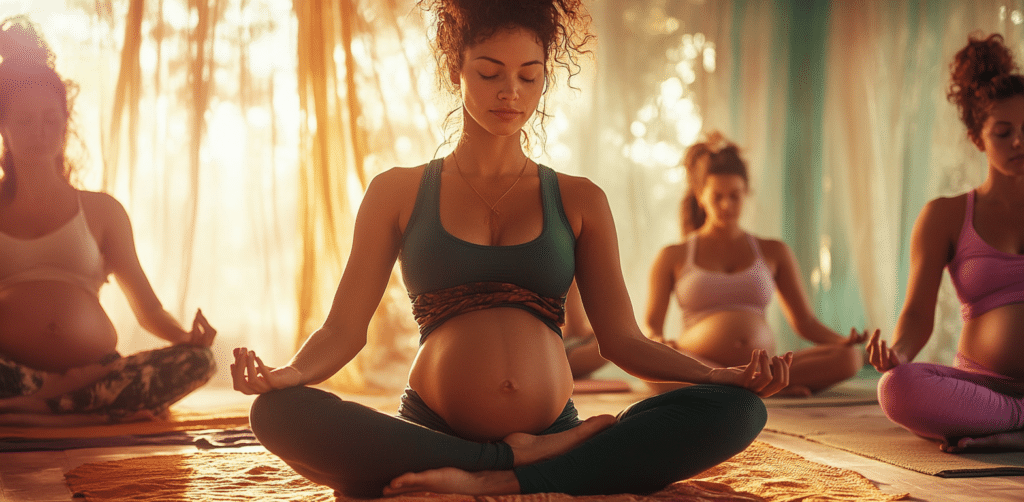
Myth: "Yoga is dangerous for pregnant women or during their menstrual cycle"
It is common to hear that certain yoga postures, due to their intensity or specific movements, can be harmful to women, especially during pregnancy or menstruation. Some people believe that these practices could increase the risk of complications, and so they choose to avoid yoga during these phases. This fear sometimes arises from misinformation or a lack of knowledge about how to adapt the practice to each stage.
Reality: Yoga is safe and beneficial when practiced with care and appropriate adjustments
Prenatal yoga, designed specifically for pregnant women, is a wonderful way to maintain physical activity safely during pregnancy. This practice focuses on gentle, adapted postures that strengthen the body, especially the areas that bear extra weight, such as the lower back and hips, while also promoting better breathing and relaxation. Various studies have shown that yoga can help reduce stress, improve circulation, increase flexibility and strengthen muscles that are important for childbirth.
During pregnancy, however, it is crucial to practice yoga under the supervision of an instructor certified in prenatal yoga, as some postures (particularly inverted ones, those that compress the abdomen, or those that involve too much twisting) should be avoided. The key is to adapt the postures to the needs of the constantly changing body, with special emphasis on the safety of both baby and mother.
As for the menstrual cycle, it is another common myth that yoga should be avoided entirely. Although some women prefer to take a break, many others find that yoga helps them relieve common cycle symptoms, such as abdominal pain, muscle tension and general discomfort. Practicing gentle and restorative postures during menstruation, such as Child's Pose (Balasana) or Reclining Hero Pose (Supta Virasana), can be very beneficial for relaxation and comfort. However, inverted postures, such as Headstand (Sirsasana), are often discouraged during this period, as they could interfere with the natural blood flow.
Listening to the body is fundamental both during pregnancy and menstruation. Yoga encourages precisely that bodily awareness, allowing each practitioner to adjust the intensity and movements according to their personal wellbeing. The goal is to find a balance between staying active and caring for the body, without forcing postures that feel uncomfortable or unsuitable.
4. Yoga Is Only Difficult Asanas
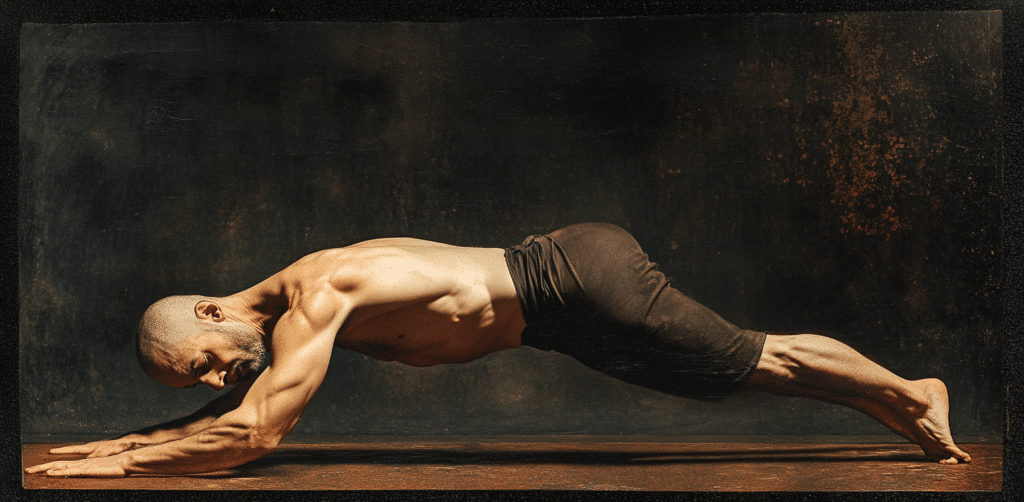
Myth: "Yoga is only difficult asanas"
It is common for people to associate yoga exclusively with images of advanced and complex postures that are often seen on social media. This focus on physical postures can lead to the mistaken belief that yoga is a practice exclusively for those who are flexible or athletic. This perception can intimidate those who feel they cannot reach those skill levels and, therefore, think that yoga is not for them.
Reality: Yoga is a holistic practice that encompasses much more than physical postures
Although Asanas (postures) are an integral part of yoga, they represent only one of the eight steps of Ashtanga Yoga, as described by Patanjali in the Yoga Sutras. This system encompasses a wide range of practices and principles that include:
- Yamas (ethical principles): Moral guidelines that govern interaction with others, such as non-violence (ahimsa) and truthfulness (satya).
- Niyamas (personal observances): Self-care and discipline practices, such as cleanliness (saucha) and gratitude (santosha).
- Asanas (postures): The physical practice that improves strength, flexibility and balance, but which is only one part of the whole.
- Pranayama (breath control): Breathing techniques that foster concentration and vital energy.
- Pratyahara (withdrawal of the senses): The ability to withdraw from external distractions and tune inward.
- Dharana (concentration): The practice of focusing the mind on a single point or thought.
- Dhyana (meditation): Deep contemplation and the flow of attention toward an object or idea.
- Samadhi (enlightenment): The experience of union and transcendence, where the practitioner feels at one with the object of meditation.
This holistic approach to yoga emphasizes that it is not merely a matter of performing difficult postures, but rather encompasses a path toward personal growth, self-awareness and inner peace. Regular practice of Asanas can be adapted to any skill level, allowing each person to find a space that feels comfortable and right for their body.
Furthermore, Asanas are effective tools for developing body awareness and the mind-body connection. This awareness is fundamental, as it prepares the body and mind for deeper practices, such as meditation. In fact, many people begin their yoga journey through Asanas, and over time discover other aspects of the practice that enrich their experience, such as meditation and breathwork.
Yoga also adapts to diverse needs and circumstances. There are styles of yoga that focus more on meditation, breathing and mental wellbeing, such as Restorative Yoga or Yin Yoga, which emphasize relaxation and introspection rather than physically challenging postures. This makes yoga accessible to everyone, regardless of their skill level or physical condition.
5. Yoga Cannot Cause Harm
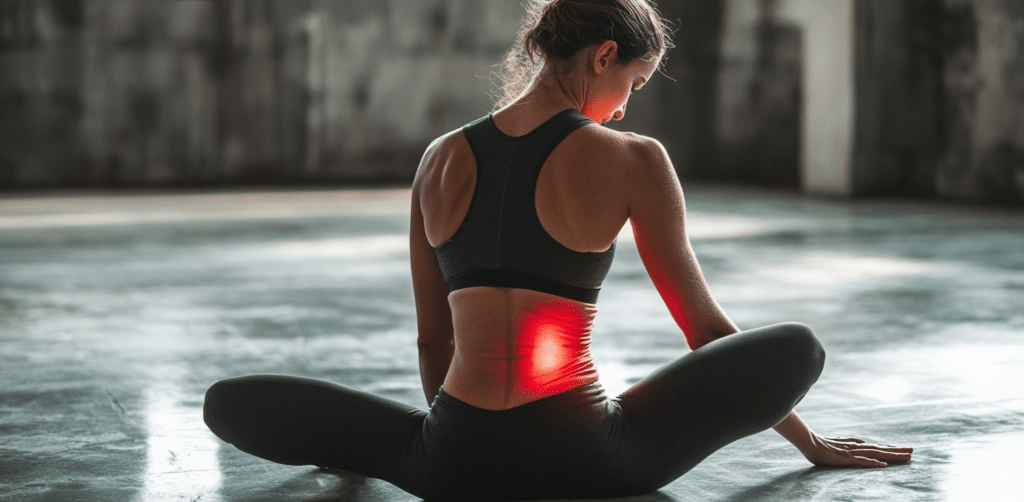
Myth: "Yoga is completely safe and cannot cause injuries"
It is a common mistake to think that yoga, being a gentle and low-impact practice, is free of risks. Many people assume that anyone, regardless of their experience or physical condition, can perform the postures without worrying about possible injuries. This belief can lead to overconfidence, which may cause practitioners to attempt advanced postures or hold incorrect postures for too long without paying attention to the warning signals their body sends.
Reality: Yoga, like any other physical activity, requires mindful practice and attention to technique
Yoga offers an immense number of benefits for the body and mind, but like any physical activity, it also has the potential to cause injuries if not performed properly. Although yoga is generally safe when practiced correctly, doing it without proper alignment or pushing the body beyond its natural limits can place strain on vulnerable areas, such as the spine, knees, shoulders and wrists.
The most common injuries in yoga are usually related to:
- Joint overload: Forcing the joints, especially the knees and wrists, in misaligned postures can lead to tears, strains and other injuries.
- Hyperextension: Attempting to achieve deep postures without adequate flexibility can overstretch muscles and ligaments, causing pain and long-term damage.
- Lack of alignment: Incorrect alignment, particularly in standing postures or inverted postures, can lead to muscular imbalances and strain on the spine.
- Lack of warm-up: As with any form of exercise, it is essential to adequately warm up the muscles before attempting postures that require flexibility or strength.
To practice yoga safely, it is fundamental to pay attention to alignment in each posture. This not only improves the benefits of the practice, but also protects the body from unnecessary injuries. Learning to listen to your body is key: if a posture causes pain or discomfort, it is important to back off, use props such as blocks or straps, or modify the posture.
Another crucial aspect is practicing under the supervision of a qualified instructor, especially if you are a beginner or attempting advanced postures. A good instructor will guide you through the correct techniques for alignment, adjustment and breathing, which will significantly reduce the risk of injury. Breathing is also an essential part of yoga practice, as controlled breathing helps to improve concentration and reduces the likelihood of muscle tension or overexertion.
To prevent injuries, it is vital to:
Use modifications: Not all postures are suitable for everyone. Modifying a posture with props or variations is not only safe, but also allows for progressive and risk-free improvement.
Accept the body's limits: Every body is different, and what is comfortable for one person may not be for another. Respecting your own physical limitations is essential to avoid harm.
Progress gradually: Yoga is a practice that develops over time. Attempting advanced postures without adequate preparation can significantly increase the risk of injury.
Yoga is a powerful tool for improving physical and mental health, adapting to individual needs and fostering a balanced and mindful lifestyle. Discover more about the different types of yoga and how they can enrich your life at legadoyogi.