


Menstruation is a natural and significant part of the female reproductive cycle. During this time, a woman's body undergoes various changes that can influence her energy, mood, and physical capacity. It is crucial to adapt a yoga practice to support and respect these changes.
In this article, we explore how yoga can be a beneficial tool during menstruation and what modifications are necessary to practice safely and effectively.
Understanding the Menstrual Cycle
The female menstrual cycle is divided into three main phases: menstruation, the follicular phase, and the luteal phase. This article will focus on the first phase, menstruation, which generally lasts between 3 and 5 days. During menstruation, the endometrium — the inner lining of the uterus — sheds and is expelled from the body along with blood. This process is driven by uterine contractions and the relaxation of the cervix.
Physiological Changes During Menstruation
During menstruation, the body is in a state of cleansing and renewal. It is common to experience cramps, abdominal pain, fatigue, and emotional changes. These symptoms can vary in intensity from one woman to another. Yoga practice can alleviate some of these symptoms, provided it is carried out in a way that is appropriate and respectful of the body.
Menstruation is not only a physical process, but also a complex hormonal event. During this phase, hormone levels such as estrogen and progesterone decline, which can cause a range of physical and emotional symptoms. In addition to cramps and abdominal pain, many women experience headaches, breast tenderness, and mood changes. Understanding these hormonal shifts is crucial for appropriately adapting a yoga practice.
Contraindications and Precautions in Yoga Practice During Menstruation
It is essential not to interfere with the natural process of menstruation. Some yoga practices can be counterproductive during this period and should be avoided:
Avoiding Inverted Asanas
Inverted Asanas, such as Sirsasana (headstand) and Sarvangasana (shoulderstand), should be avoided during menstruation. These postures can cause a backflow of blood into the abdominal cavity, which could contribute to endometriosis, a condition in which endometrial tissue grows outside the uterus. Even postures such as Adho Mukha Svanasana (downward-facing dog) and Uttanasana (standing forward bend) can be considered inversions and should be avoided.
Inverted Asanas can create a reversal of blood flow, which interferes with the natural process of expelling the endometrium. This backflow can lead to long-term health problems, such as endometriosis. Endometriosis can cause severe pain and reproductive problems, and its link to inverted postures underscores the importance of avoiding these practices during menstruation.
Avoiding Abdominal Manipulations
Practices such as Agnisara Kriya, Uddiyana Bandha, and Nauli, which involve intense manipulations of the abdominal area, should be avoided during menstruation. These techniques can reduce intra-abdominal pressure in an inappropriate manner during this time.
Abdominal manipulations can increase pressure in the abdominal cavity, which may interfere with the natural menstrual flow. During menstruation, the body is working to expel the endometrium, and any interference with this process can cause additional discomfort and complications.
Beneficial Adaptations and Asanas During Menstruation
During menstruation, yoga practice should focus on relieving pain,, promoting relaxation, and supporting the body's natural process. Here are some recommended Asanas and practices:
Asanas to Relieve Menstrual Pain
- Supta Baddha Konasana (Reclined Bound Angle Pose): This posture opens the pelvis and relaxes the abdomen, helping to relieve menstrual cramps. Use a bolster or folded blankets to support the back and knees, allowing for deep relaxation.

- Detailed Benefits: Supta Baddha Konasana is excellent for relieving tension in the pelvic and abdominal region. The opening of the hips and the support beneath the back allow for deep relaxation of the uterine muscles, which can reduce cramps. Additionally, this posture improves circulation in the pelvic region, which can help relieve congestion and pain.
- Matsyasana (Fish Pose): Performed with support, this Asana opens the chest and stretches the abdominal area, providing relief from menstrual pain.
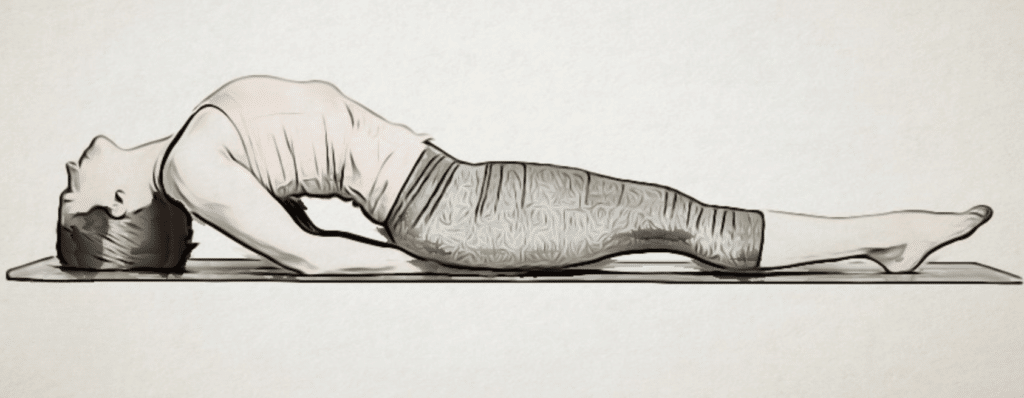
- Detailed Benefits: Matsyasana stretches the abdominal and pectoral muscles, which can release accumulated tension. By opening the chest, it also facilitates deeper breathing, which can help calm the nervous system and reduce the stress associated with menstrual pain.
- Supta Virasana (Reclined Hero Pose): This posture stretches the abdominal muscles and relieves tension in the pelvic area. Use a support to recline comfortably and hold the posture for about 5 minutes.
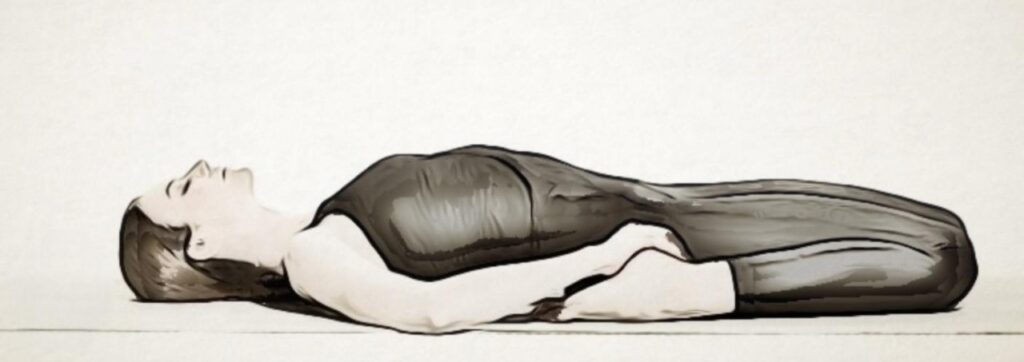
- Detailed Benefits: Supta Virasana is particularly effective for stretching the quadriceps and psoas muscles, which can tighten during menstruation. This deep stretch can help release tension in the pelvic and lumbar area, relieving cramps and discomfort.
Asanas to Promote Uterine Contraction
- Marjaryasana-Bitilasana (Cat-Cow): This gentle movement stretches the ligaments that support the uterus, promoting gentle uterine contractions that help with the evacuation of the endometrium. Focus on moving the pelvis rather than achieving maximum arching and rounding of the back.
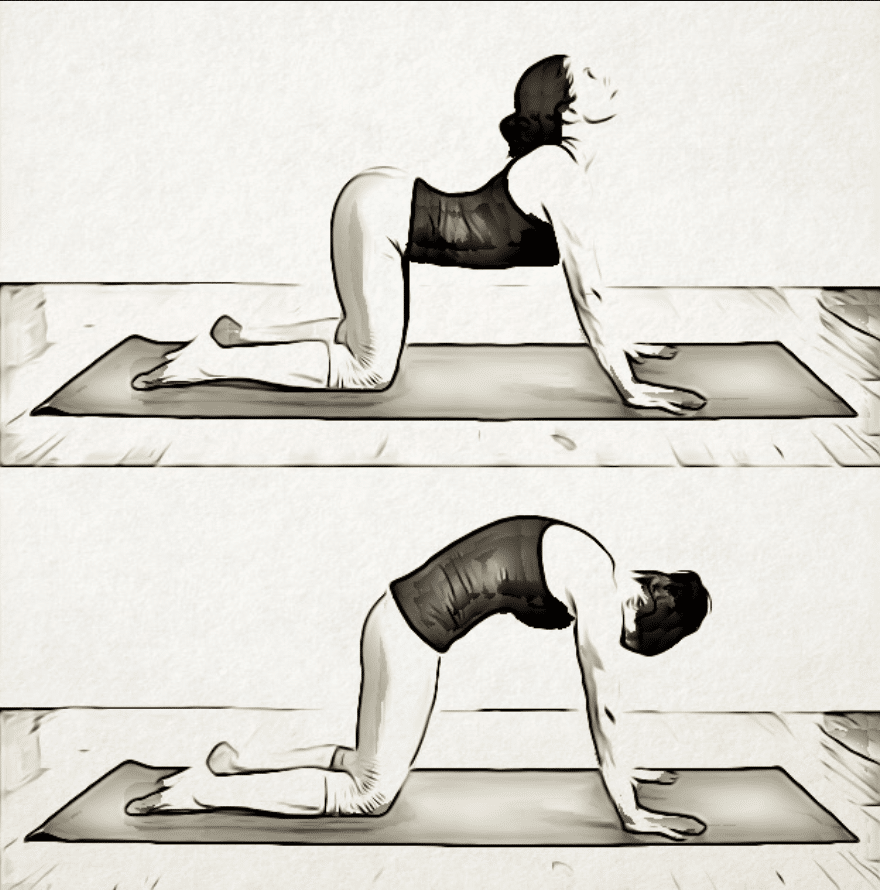
- Detailed Benefits: The rhythmic movement of Marjaryasana y Bitilasana helps to massage the internal organs, improving blood circulation and reducing tension in the abdomen. By stretching the uterine ligaments, these postures can facilitate the natural process of uterine contraction, which helps expel the endometrium more efficiently and with less pain.
Asanas to Increase Intra-Abdominal Pressure
- Balasana (Child's Pose): This relaxing posture helps to relieve abdominal pain and promotes general relaxation.
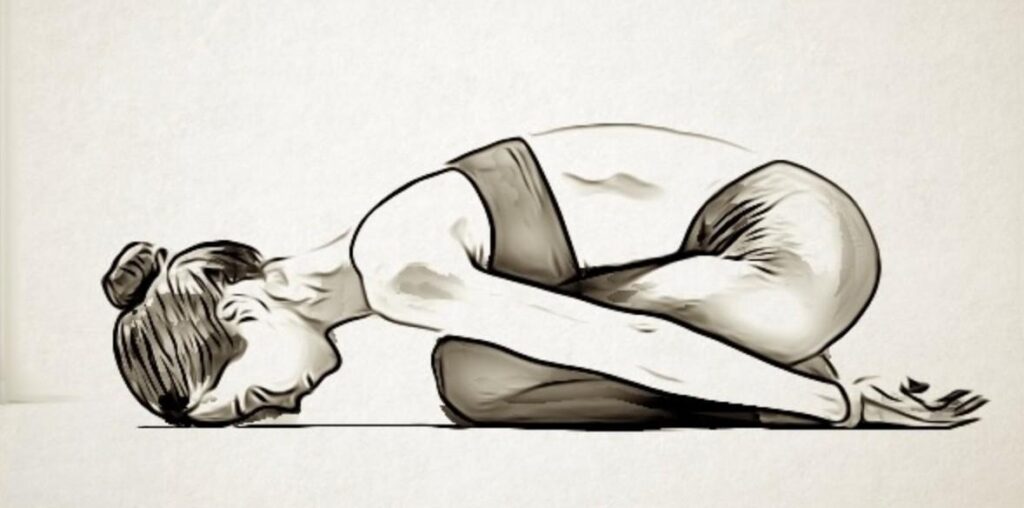
- Detailed Benefits: Balasana is a resting posture that provides a gentle compression of the abdomen, which can alleviate menstrual pain. Additionally, this posture calms the nervous system, promoting a sense of safety and comfort, which is beneficial during menstruation days.
- Seated Forward Bends and Gentle Twists: Postures such as Paschimottanasana (seated forward bend) and Bharadvajasana (seated twist) help to gently compress the abdominal cavity, facilitating the menstrual process without exerting too much pressure.
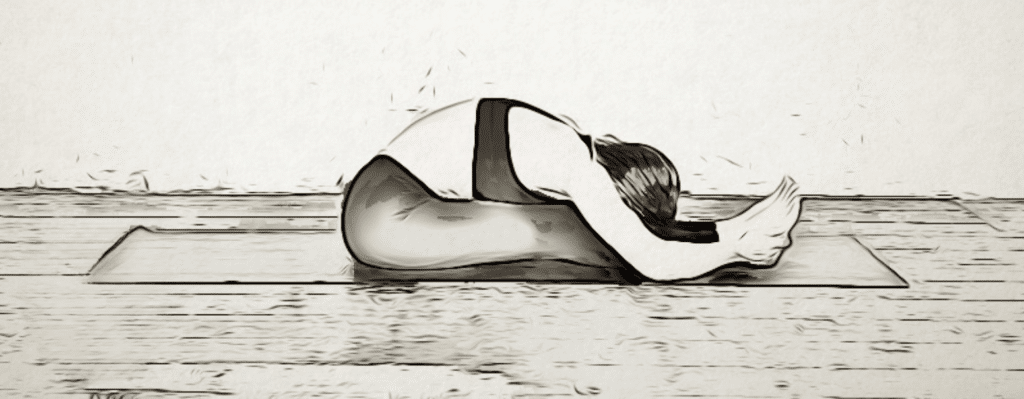
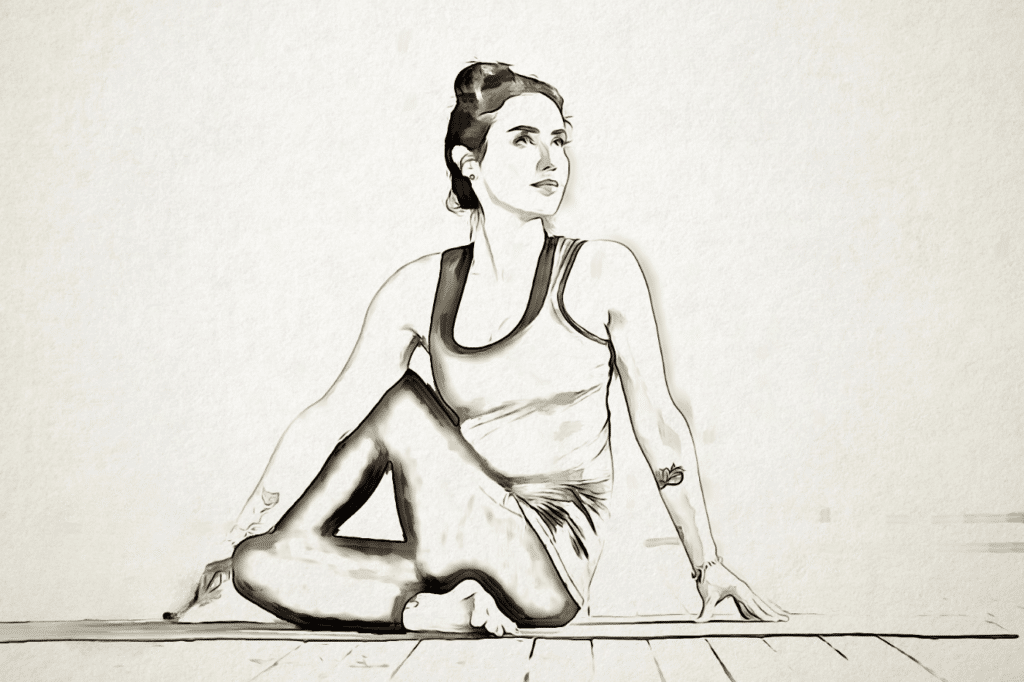
- Detailed Benefits: Forward bends and gentle twists help to massage the abdominal organs, promoting healthy digestion and relieving tension. These postures can also help to release accumulated tension in the lower back, which is common during menstruation.
Relaxing Breathing Techniques
- Nadi Shodhana (Alternate Nostril Breathing): This calming breathing technique helps balance the nervous system and reduce stress, which can be especially beneficial during menstruation.
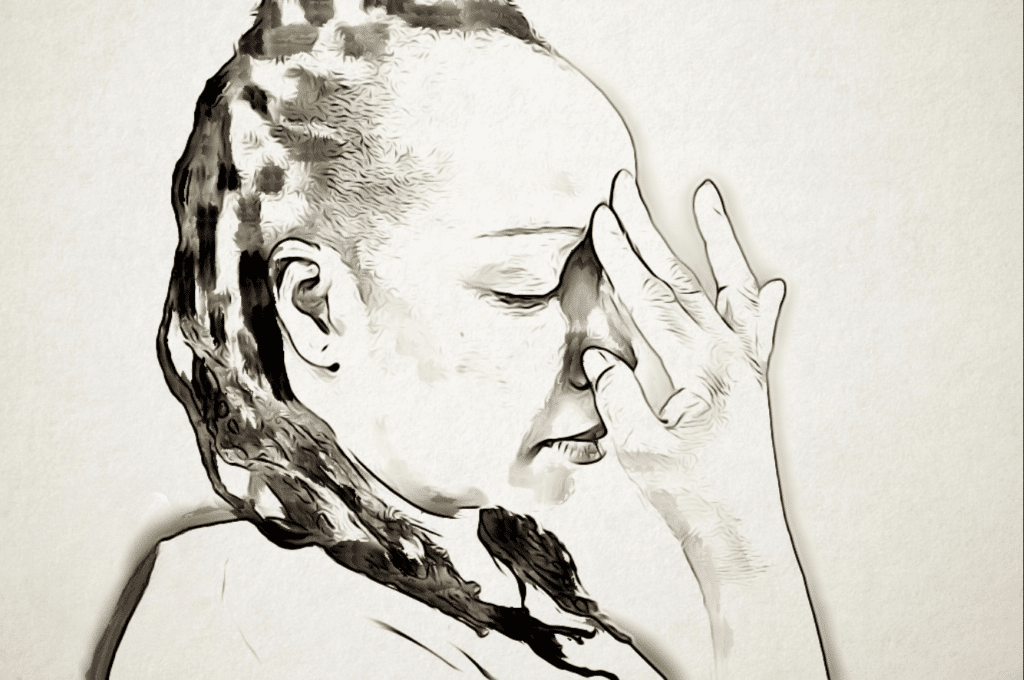
- Detailed Benefits: Nadi Shodhana balances the body's energies, promoting a state of calm and relaxation. This technique can lower cortisol levels — the stress hormone — which is especially helpful during menstruation when stress levels may be elevated.
Extensive information on yogic breathing techniques.
The Importance of Listening to Your Body
One of the fundamental principles of yoga is attentive listening to the body. During menstruation, it is essential to be especially mindful of the body's signals and to adapt your practice accordingly. Every woman is different, and what works for one may not be appropriate for another. Here are some general guidelines for practicing yoga safely during menstruation:
1. Listen to your body: Pay attention to how you feel before, during, and after your practice. If something does not feel right, stop the practice and rest.
- Listening to your body means being aware of your limits and needs. During menstruation, you may need more rest or a gentler practice. Honoring these needs can prevent exhaustion and support a faster recovery.
2. Adapt the intensity: Reduce the intensity of your practice and choose softer, more sustained movements. Avoid vigorous sequences that require a great deal of energy or that may be too demanding on your body during this time.
- Reducing the intensity of your practice during menstruation can help conserve energy and prevent exhaustion. Gentle, sustained movements can promote deeper relaxation and reduce tension in the body, which is especially beneficial on days when you feel more fatigued or in pain.
3. Incorporate relaxation techniques: In addition to yoga postures, consider incorporating breathing techniques and meditation to help calm the mind and body. Practices such as Savasana (Corpse Pose) and Yoga Nidra (yogic sleep) can be especially useful.
- Relaxation and meditation techniques help reduce stress and promote a state of calm and well-being. Savasana and Yoga Nidra are deeply restorative practices that can relieve fatigue and improve sleep quality, which is crucial during menstruation when the body needs more rest and recovery.
Long-Term Benefits of Practicing Yoga During Menstruation
Adapting your yoga practice during menstruation not only provides immediate relief from symptoms, but also offers long-term benefits. Here are some benefits to consider:
1. Regulation of the menstrual cycle: A regular yoga practice adapted to the needs of the menstrual cycle can help regulate the cycle and reduce the severity of premenstrual and menstrual symptoms.
- Yoga promotes hormonal balance by reducing stress and improving blood circulation. Over time, a consistent practice can contribute to more regular and less painful menstrual cycles, improving overall quality of life.
2. Improvement of reproductive health: Yoga can improve overall reproductive health by strengthening the pelvic muscles and improving circulation in the pelvic region.
- Specific postures and breathing techniques can improve the health of the reproductive system by increasing blood and oxygen flow to the reproductive organs. This can reduce the risk of conditions such as endometriosis and uterine fibroids, and improve fertility.
3. Relief from stress and anxiety: Regular yoga and meditation practice can help reduce stress and anxiety, which are often exacerbated during menstruation.
- Reducing stress and anxiety through yoga can have a positive impact on hormonal balance and mental health. Breathing techniques and meditation can provide effective tools for managing daily stress and improving emotional well-being throughout the entire menstrual cycle.
4. Strengthening the bond with your own body: Practicing yoga during menstruation can strengthen your bond with your own body and foster greater self-acceptance and self-love.
- Yoga promotes the mind-body connection, which can increase awareness and appreciation of your own natural rhythms. This can lead to greater self-acceptance and a more compassionate approach toward yourself during all phases of the menstrual cycle.
Conclusion
Menstruation is a time to honor and care for the body. Adapting your yoga practice during this period can provide significant relief from menstrual symptoms and support the body's natural process. By avoiding inverted Asanas and intense abdominal manipulations, and by focusing on relaxing postures and breathing techniques, women can enjoy a safe and beneficial yoga practice during menstruation.

The key lies in listening to and respecting your own body, adapting the intensity of your practice to your individual needs, and making use of relaxation techniques to promote overall well-being. Over time, this mindful practice can lead to greater regulation of the menstrual cycle, improved reproductive health, reduced stress, and a stronger bond with your own body.
Practicing yoga during menstruation is not only possible, but can be a powerful tool for supporting physical, emotional, and spiritual health. By honoring the menstrual cycle and adapting your yoga practice appropriately, women can experience greater harmony and balance in their lives.