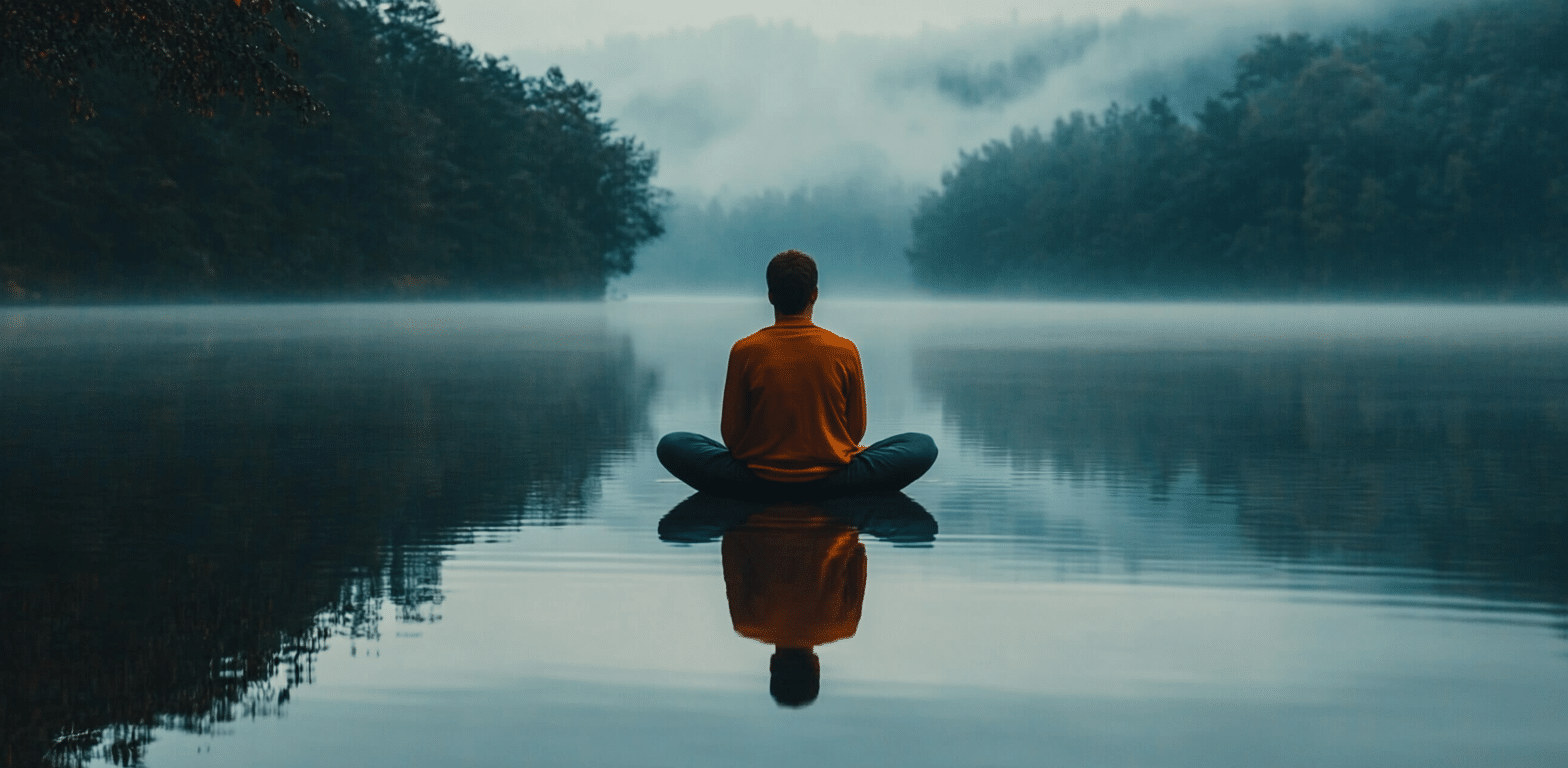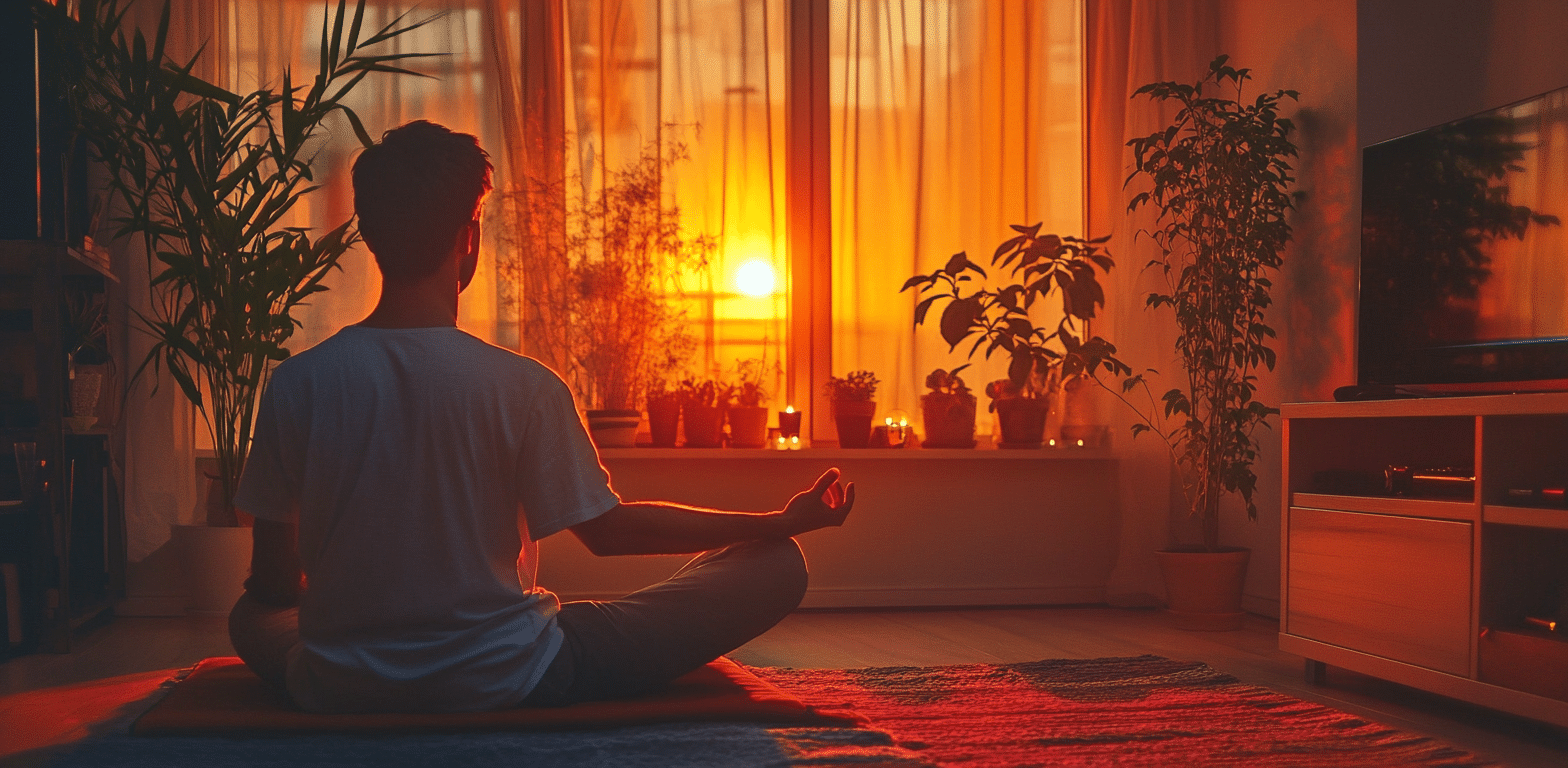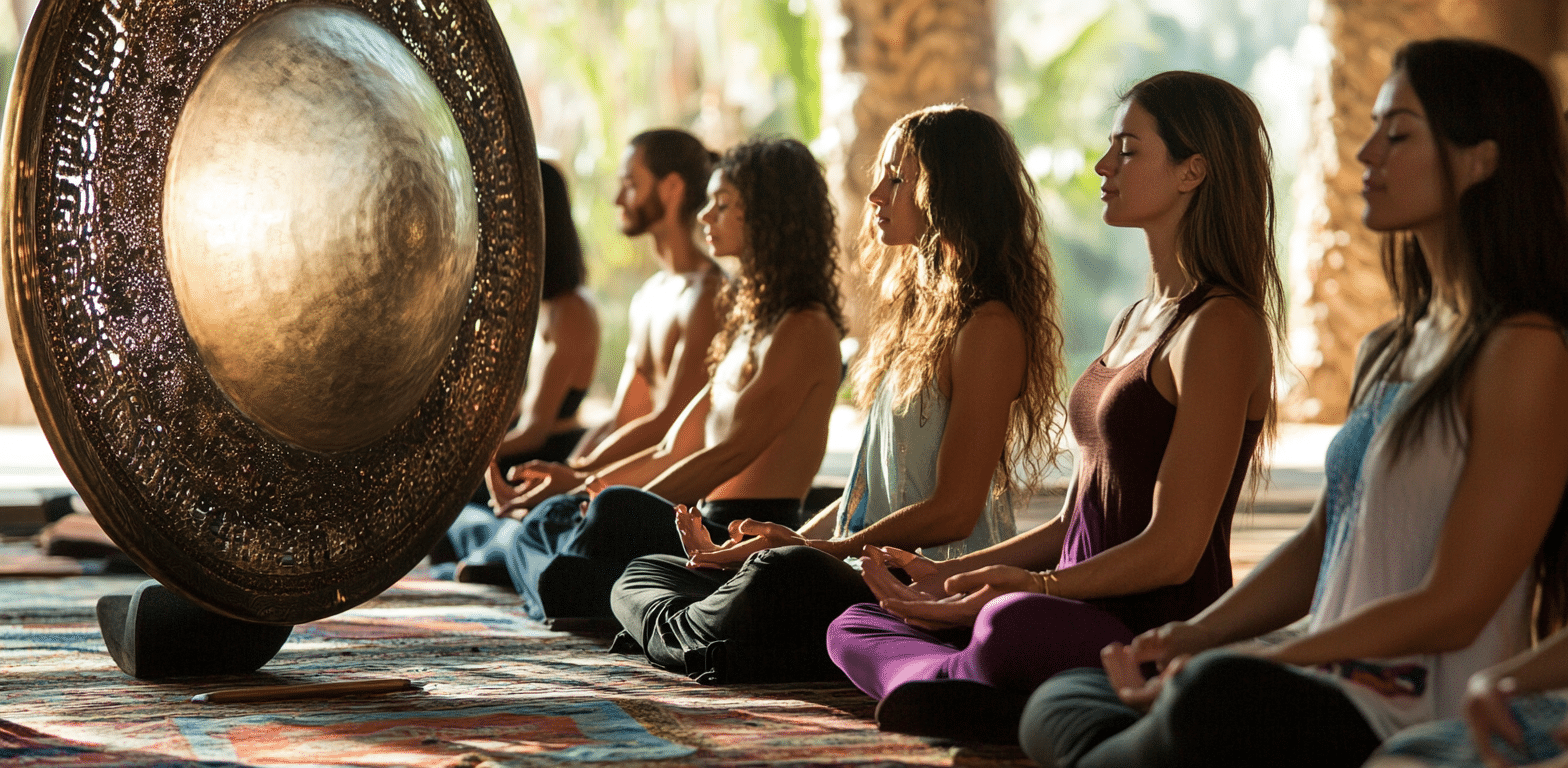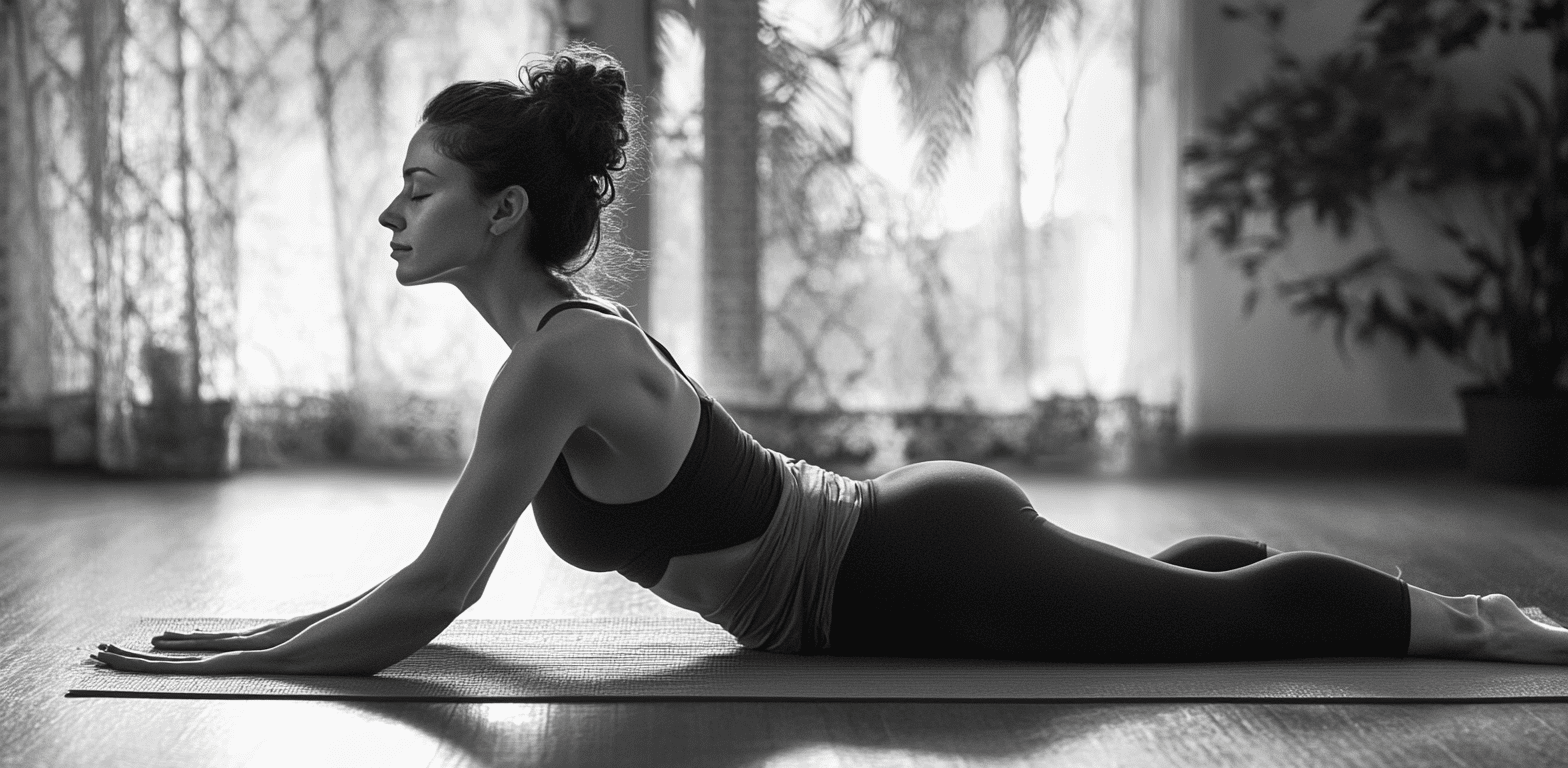



In a world where life seems to be a constant race, many of us long to find a balance that brings us well-being, security, and inner peace. But what does it really mean to be in balance? In the context of yoga, the search for balance goes far beyond mastering a complex posture or standing on one leg without wobbling. It is a holistic practice that integrates body, mind, and spirit, and offers us tools to align our inner energies.
Yoga teaches us that true balance involves harmony between our thoughts, emotions, and actions. Through conscious breathing and mindful attention in each posture, we learn to tune in to our inner being. This connection allows us not only to manage stress and anxiety, but also to cultivate resilience in the face of everyday demands. Moreover, a regular yoga practice promotes body awareness, helping us to recognise and release accumulated tensions that can disturb our mental peace.
As we incorporate yoga into our routine, we discover that balance is not a fixed state but a dynamic and ongoing process. Each session offers us an opportunity to explore and readjust our centre, preparing us to face the ups and downs of life with greater serenity and clarity. In this way, yoga becomes a guiding light that illuminates the path towards a state of holistic well-being, where we find not only physical balance, but emotional and spiritual balance too.
1. Physical balance | A foundation for stability
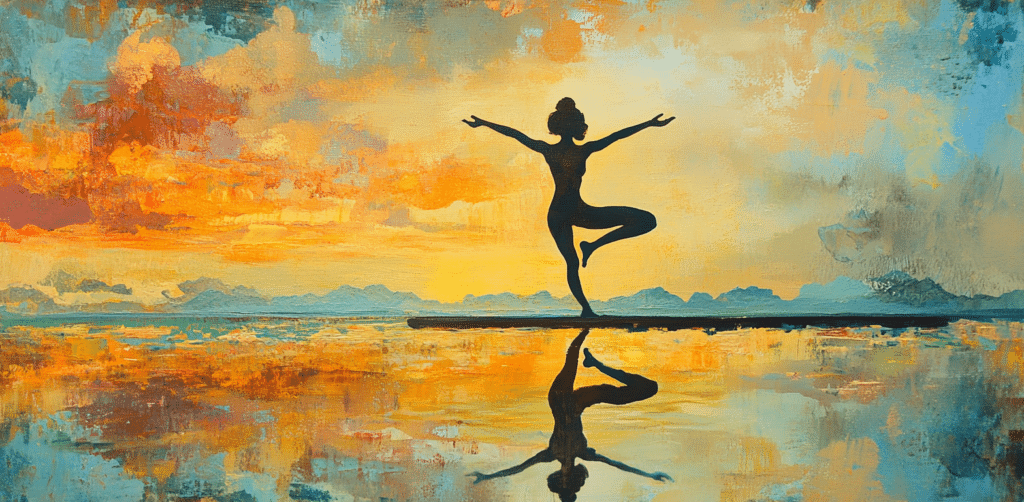
Physical balance in yoga is cultivated through concentration and body control. Postures such as "Tree" (Vrksasana) and "Warrior III" (Virabhadrasana III) challenge our ability to maintain a stable position, combining strength and softness in a delicate balancing act. By working on these asanas, we not only strengthen specific muscles, but also train our mind to focus and cultivate steadiness.
The true challenge lies in finding the optimal point between tension and relaxation. If we adopt too rigid a posture, we risk losing stability; on the other hand, if we are excessively relaxed, we may wobble. This physical balance has a significant impact on our daily lives, teaching us to seek stability without falling into overexertion or excessive effort. Over time, this practice not only improves our bodily harmony, but also reflects in our posture and the way we present ourselves to the world. A balanced and aligned body communicates confidence and well-being, allowing us to face everyday challenges with greater serenity. Here is a more advanced guide.
2. Mental balance | The peace that arises from mindfulness
In addition to physical balance, yoga fosters a mental equilibrium that extends far beyond the mat. By focusing on our breath and stepping away from distractions, we learn to calm the mind and silence that constant "mental chatter" that so often fuels anxiety. This practice, known as mindfulness, is an essential tool for finding serenity amid the chaos of daily life.
Through meditation and an emphasis on the present moment, yoga trains our minds not to drift between past worries or future concerns. Over time, this mental balance manifests in our ability to face stressful situations, as our mind becomes more resilient and less prone to getting lost in unnecessary thoughts. By cultivating this inner peace, we not only grow stronger in the face of adversity, but we also develop the ability to respond with clarity and calm to external challenges. This approach allows us to live more fully and consciously, improving our quality of life in every aspect.
3. Emotional Balance | Gratitude as an Anchor
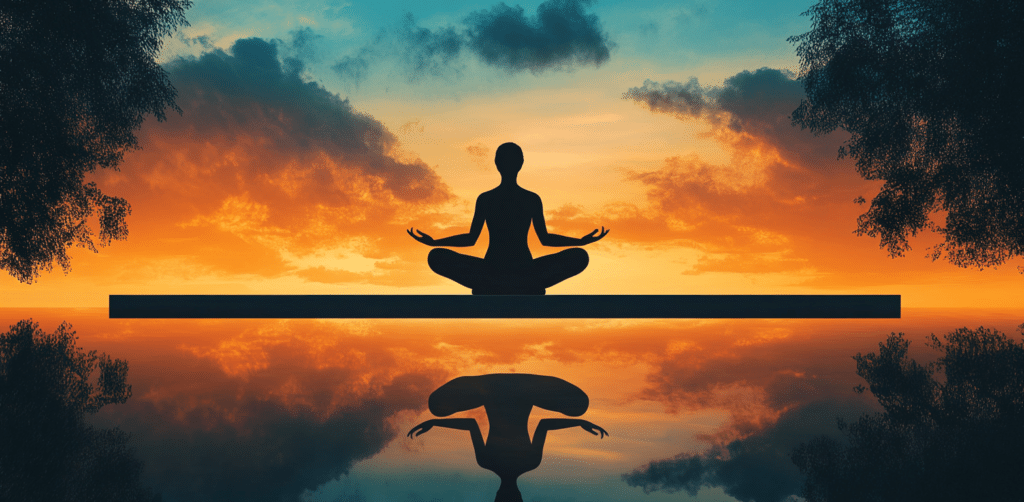
Yoga also offers us tools for achieving emotional balance, with gratitude as one of the fundamental pillars of this process. Rather than focusing on what we lack, yoga practice encourages us to appreciate and value what we already have. Through meditation and mindfulness, we can train our minds to observe our thoughts and redirect our attention toward the positive, which in turn helps reduce anxiety and stress.
Cultivating gratitude allows us to notice details we often overlook — such as the simple fact of having a home, being surrounded by a supportive community, or enjoying a healthy body. This positive focus not only gives us a sense of satisfaction, but also creates a virtuous cycle that strengthens our emotional resilience. Over time, learning to be grateful prepares us to face difficult situations with a calmer, more balanced attitude. By integrating gratitude into our daily practice, we develop an emotional well-being that anchors us in moments of turbulence, allowing us to navigate life with greater calm and clarity.
4. Spiritual Balance | Connecting with Our Inner Self
Yoga invites us to explore our inner connection, seeking a profound unity between body, mind, and spirit. This practice goes far beyond physical exercise; it allows us to experience a peace that transcends everyday concerns and connects us with our most authentic essence. Through techniques such as meditation and Pranayama (breathing techniques), we create an inner space that acts as a sanctuary, especially in times of uncertainty and stress.
This spiritual balance reminds us of the importance of disconnecting from external noise and tuning in to our inner self. By nurturing this connection, we find an anchor that provides stability and serenity, regardless of the circumstances we face in the outside world. Learning to look inward empowers us to meet life's challenges with a renewed perspective, allowing us to discover the peace that resides within us. As we deepen this practice, we realize that true balance is not found in the external world, but in a genuine connection with ourselves. Here is a more advanced guide.

5. Practical Tips for Cultivating Balance in Yoga and in Life
Reaching a state of balance may seem like a challenge, but with small steps and daily practices, it is possible to cultivate this equilibrium both on the mat and in everyday life. Here are some effective strategies:
Balancing both sides of the body: During your yoga practice, make sure to dedicate equal time to working both sides of the body. This not only prevents physical imbalances, but also promotes harmony between the brain's hemispheres, improving your capacity for concentration and coordination. By integrating postures that focus on each side, you also encourage greater body awareness.
Integrating effort and rest: It is essential to maintain a balance between activity and relaxation in your daily routine. Alternating between periods of physical and mental effort and periods of recovery helps keep both your body and mind in optimal condition. In yoga, this might mean transitioning from dynamic postures to moments of meditation or Savasana, while in daily life it involves scheduling breaks to recharge your energy.
Practicing daily gratitude: Dedicate a few minutes each day to reflecting on the things you are grateful for. This can be done in the morning to start the day with a positive mindset, or in the evening to reflect on the meaningful moments of the day. This simple habit not only brings calm to the mind, but also anchors you in the positive, helping to counteract stress and anxiety.
Incorporating these practices into your daily life can help you build a sustainable and enriching balance, fostering a deeper connection with yourself and with the world around you.
The Path Toward Balance
The essence of yoga goes beyond physical practice; it is a profound teaching about how to achieve integral balance in every aspect of our lives. Through consistent practice and a focus on mindfulness, yoga offers us tools to cultivate an inner peace that is reflected in our emotional, mental, and spiritual well-being. The stability we achieve on the mat transforms into a strength that allows us to face daily challenges with serenity and grace.

The path toward balance is a continuous journey, where every breath and every posture is an opportunity to align with our true self. As we advance in this practice, we come to understand that balance is not simply a goal to be reached, but a way of living that invites us to be present and in harmony with ourselves and with the world around us. This process helps us develop greater resilience, allowing us to adapt and grow in the midst of uncertainty.
By embracing this philosophy, each day becomes a new opportunity to tune in to our inner needs and to cultivate a full and balanced life. Ultimately, yoga teaches us that the pursuit of balance is a journey of self-discovery and transformation, leading us to a state of lasting well-being and a deeper connection with our essence.