


Practicing yoga can have different goals, and it is essential that we are clear about the aim we want to reach with our practice. In this article we will explore two distinct purposes: yoga focused on health and yoga with spiritual aims.
Either of these two goals is equally valid when it comes to practicing yoga, but it is important to keep in mind the aim we are pursuing when choosing which types of exercises to include.
Yoga for Health
We can practice yoga with the goal of having a healthy body, improving our immune system, and ultimately staying healthy inside and out. In that case, our practice should center on the exercise of Asanas and Pranayamas.
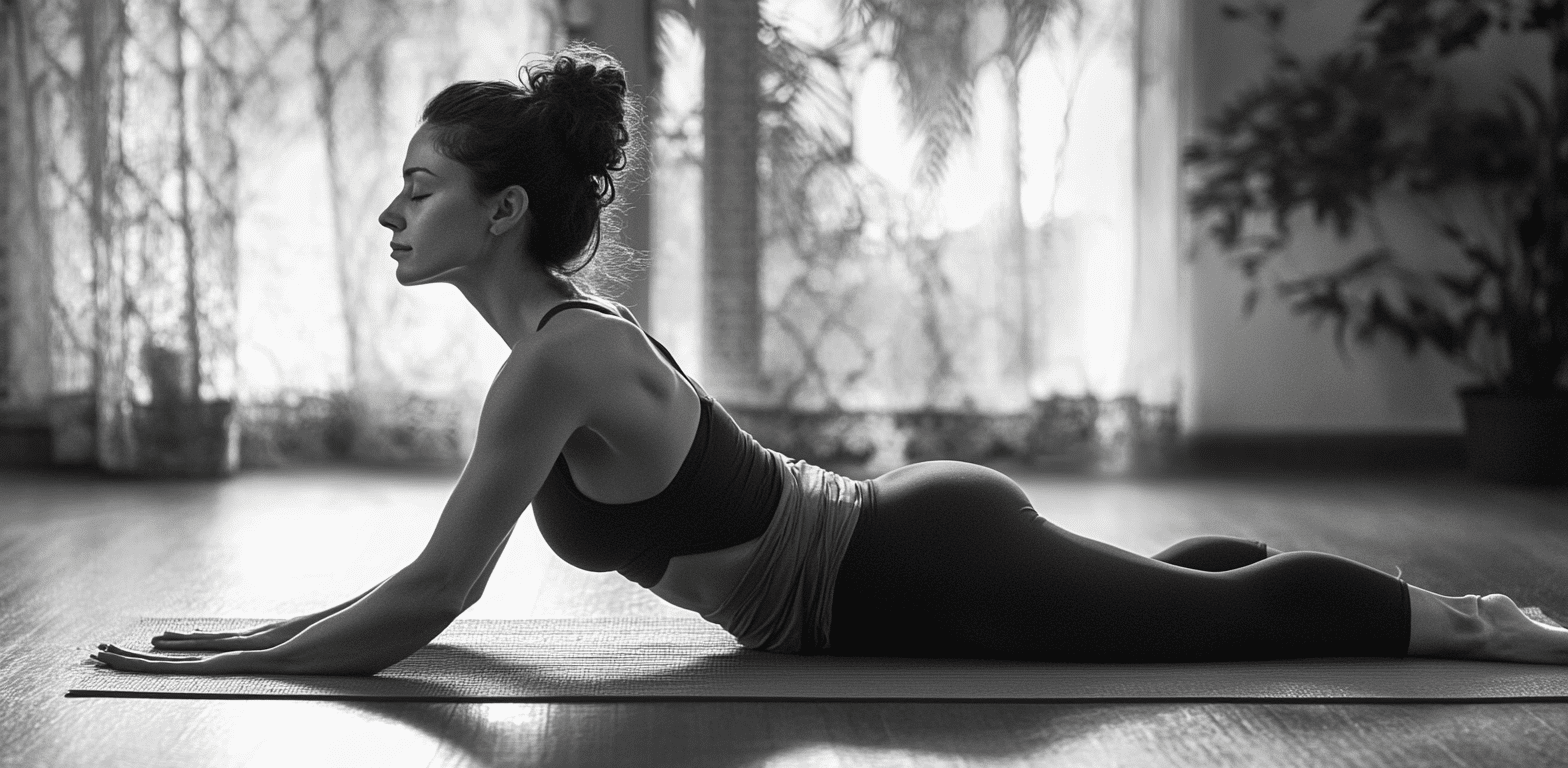
Asanas: The Physical Foundation
Regarding yoga postures, much has been innovated in recent decades in terms of styles. Although much can be argued on this point, in my view, any style of yoga that allows us to unite the breath with physical movement can be considered yoga. That said, some yoga styles are far more physically demanding than others. Practicing Asthanga o Vinyasa flow, is not the same as a Yin o Hata.
As long as the focus of the class is placed on the breath, and not on strength or flexibility, whatever the style, we can be talking about a yoga practice. It is important to understand that flexibility and strength will develop as we deepen our practice. However, we should not focus on them as goals, as we will likely end up with muscle soreness, or in the worst case, an injury.
If the focus of our practice is on health, we will likely gravitate toward styles that involve a great deal of physical exercise, such as Kundalini, Asthanga o Vinyasa. All of them have in common that they will make you sweat. Keep very much in mind that the breath must always be your priority in any yoga practice, regardless of the style you choose.

Pranayama: Breathing for Health
The great difference between practicing controlled breathing for spiritual purposes or for health lies in the application of the bandhas. There are 3 types of bhandas:
- Mulabhanda
- Jalandharabandha
- Uddiyanabhanda
The bhandas are energetic locks that we perform during the practice of Pranayamas. Those who focus their practice on maintaining good health should center on the contraction of the pelvic floor (Mulabhanda) and the chin lock (Jalandharabandha).
Meditation: Physical and Mental Balance
For those who practice yoga with the goal of improving their physical and mental energetic balance, resting in savasana at the end of the practice would be sufficient. We should keep the body still for 3 to 5 minutes, allowing the body to assimilate the practice, which will guide the nervous system into a state of relaxation and general well-being.
Savasana could be accompanied by a guided meditation, thereby extending the duration of the posture to 10–15 minutes.
Yoga for spiritual development
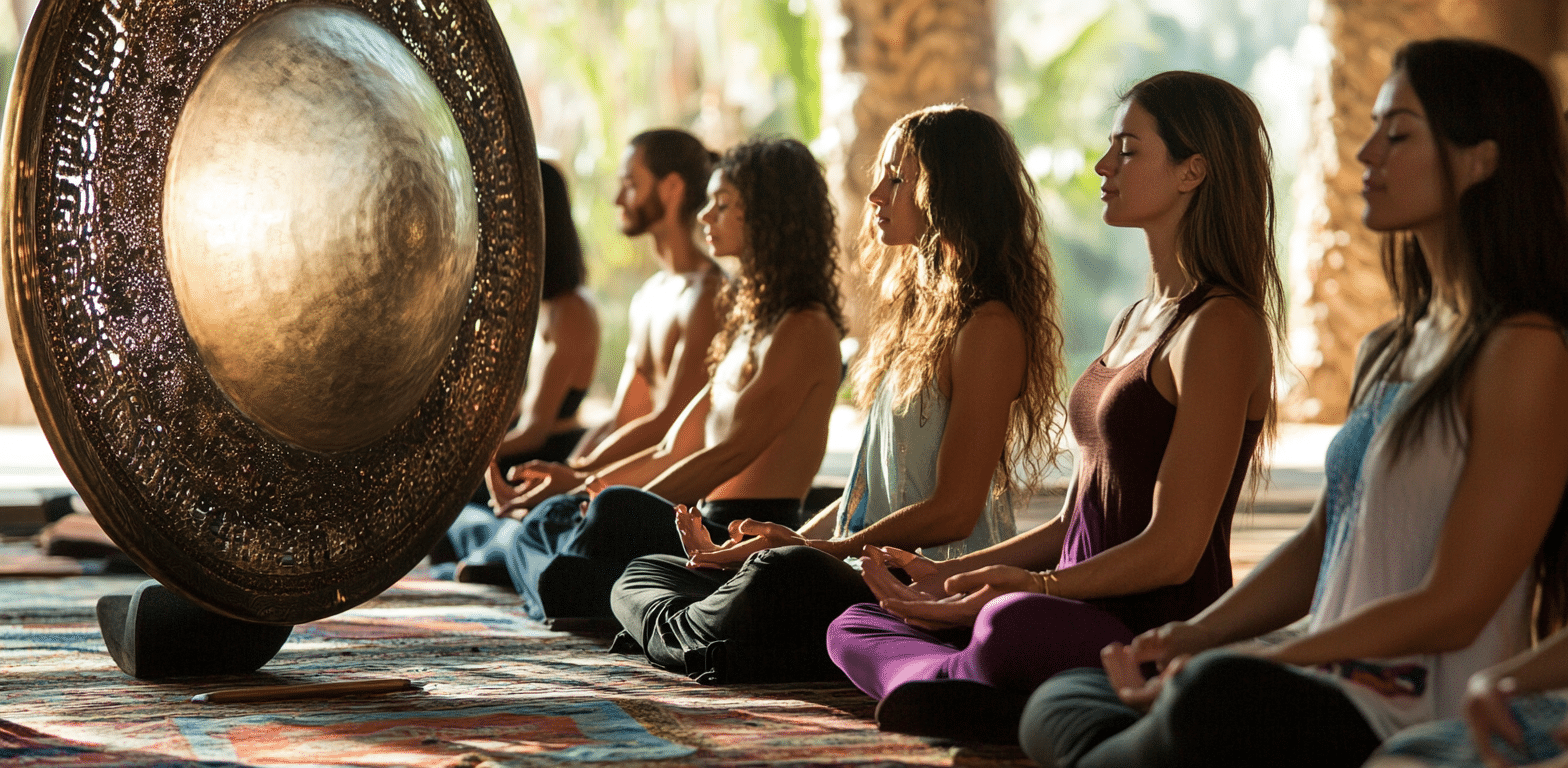
For those with spiritual goals, the true essence of the practice begins with meditation. Asanas and Pranayama were only the prelude; the moment of truth arrives when we sit down to meditate.

Introspective Asanas
Those who pursue spiritual goalswill find themselves more drawn to Hata and its derivatives, such as Yin yoga. In truth, all styles stem from Hata, but in this case I am referring to the gentleness with which it treats the body, in comparison to the styles mentioned in the previous section.
The choice of Asanas for your practice will depend on your personal goals. Those who pursue spiritual aims will have a natural inclination toward calmer, more reflective postures that make it easier to enter a state of introspection.
Pranayama: the bridge between matter and subtle realities
In this case, the practice of Pranayama will be carried out by applying all 3 bhandas. We incorporate Uddiyanabhanda, an abdominal contraction, when we perform kumbaka, retention of the breath. Only through the use of all 3 bhandas can we enter higher states of consciousness. By applying the 3 energetic locks the kundalini awakens and ascends through the spinal column.
It is at this point that the real magic begins in the practice. The one who is able to hold the breath while performing Uddiyanabhandaopens to more subtle realities, where stress and worry dissolve. The person enters a state of fullness and profound inner peace.
The moment of truth: meditation
To immerse ourselves fully in the world of meditation, we need to make a couple of adjustments with respect to the previous approach.
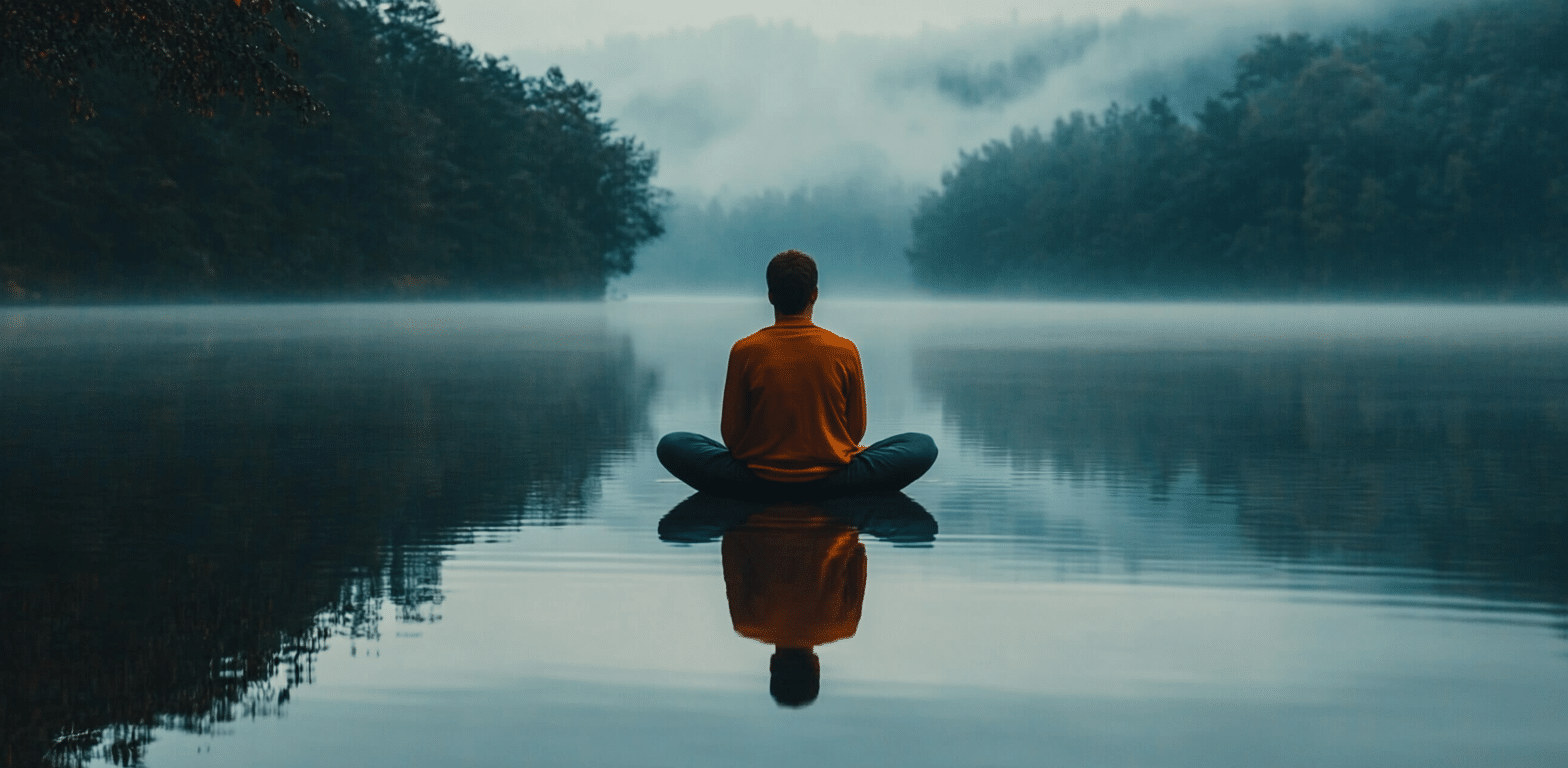
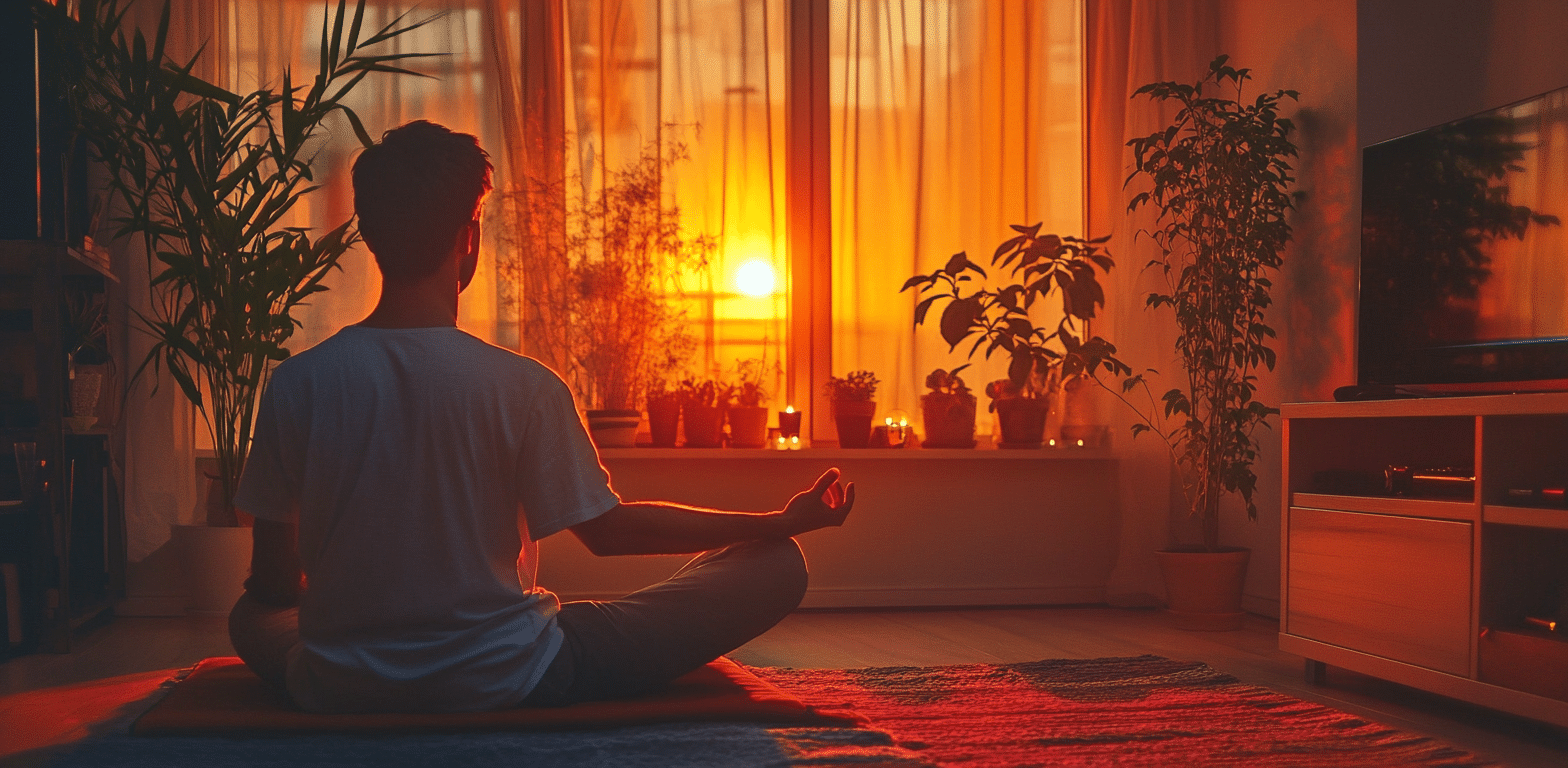
First, we are going to sit with legs crossed and back straight. If we have back problems, we can lean against a support while keeping the spine upright at all times. Similarly, if we have knee problems, we could sit in a chair to meditate.
None of these adjustments need to affect the quality of your meditation. With this I want to encourage all those who do not feel capable of holding the lotus position due to physical pain or limitations of any kind.
Second, we are going to set the guide aside; we are the masters of our own concentration. By this I mean that we are responsible for focusing our attention, and of course, for bringing the mind back each time it wanders.
There are thousands of types of meditation, but in essence, attention can turn inward or outward. When the object of our meditation is introspective, we will use the breath and bodily sensations to concentrate the mind. You can also make use of mantras and visualizations, although these last two have not been as effective for me personally, so I recommend the breath and the body as objects of observation.
We can also meditate with eyes open on objects in reality. Literally, anything you feel like observing for a while. It could be anything from a stuffed animal to a candle or a photograph. Everything works. Although in this domain, for me nothing surpasses fixing your attention on a sunrise or a sunset.
Conclusion
Either of the two goals is equally valid when it comes to practicing yoga, but it is important to keep in mind the aim we are pursuing when choosing which exercises to include.
My classes are oriented toward spiritual development. I seek to bring the student's attention back to the present moment and to quiet the mind for at least a few hours. My goal is for you to develop an observer's stance during the practice, and for that attitude to carry over into your daily life.
Naturally, time and consistency are needed to develop these qualities, but I assure you that if I have been able to do it, you will achieve it too! Write to me on WhatsApp to arrange a completely free private class.
Try my style with no commitment.

1 thought on “Objetivos del yoga: salud y espiritualidad”
Great article! I love it!
Comments are closed.