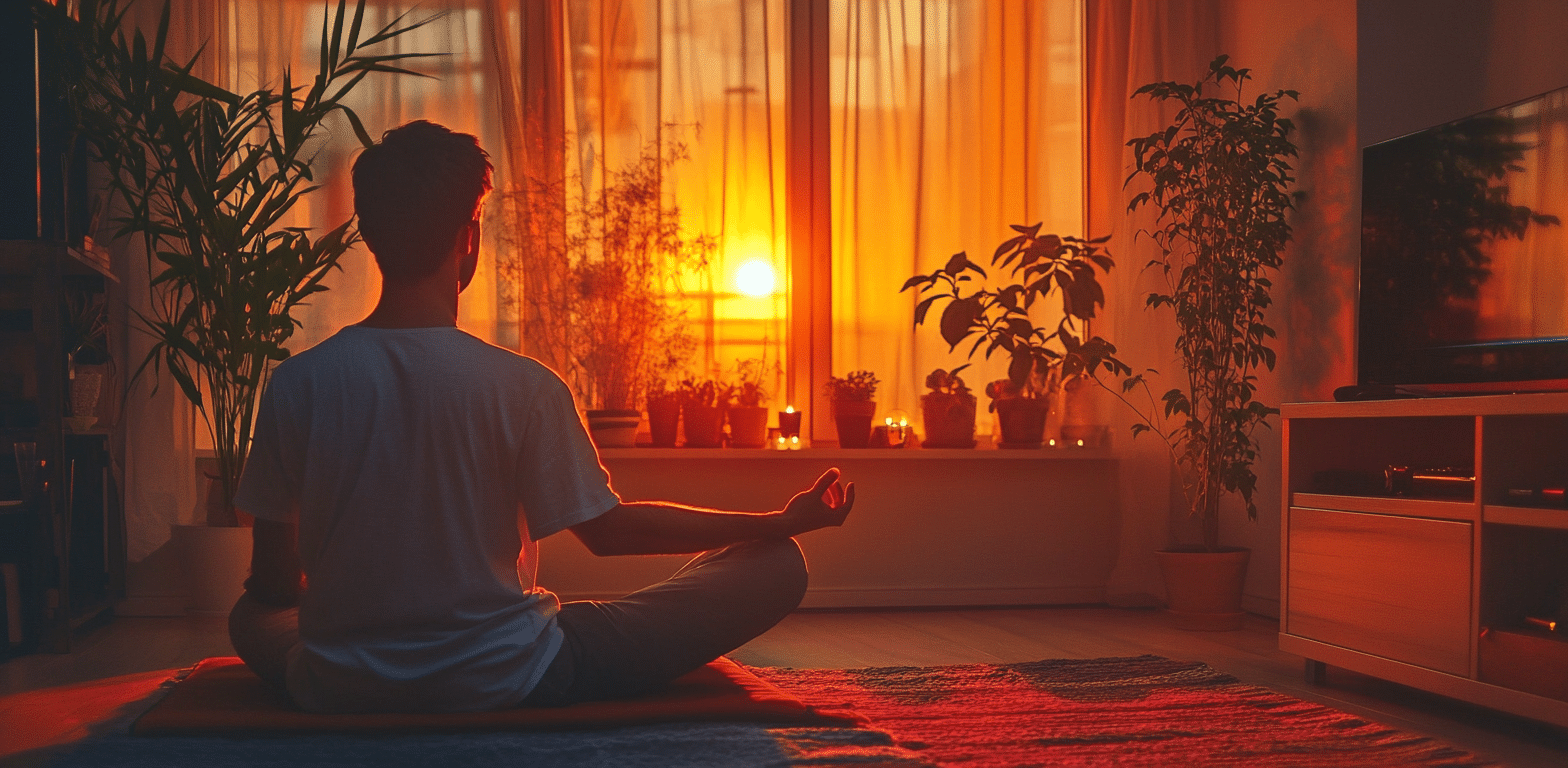



Meditation is an inner purification process that leads us to a state of serenity and wholeness. Much is said about the benefits of meditating, but not enough is addressed about the painful process of death and transformation that every meditator goes through. This is because the practice of meditation makes us aware of our self-imposed limitations and harmful patterns deeply rooted in our psyche. This process, though painful, is essential for personal and spiritual growth.
Upon entering the meditative practice, one is confronted with one's fears, attachments, and old mental schemas, and this feels as though a part of yourself is dying. However, this inner 'death' is the first step toward a new way of being and experiencing life. As one advances on the path of meditation, one witnesses the gradual transformation of old habits and ways of thinking, giving rise to greater mental and emotional clarity.

In this article I address the main challenges that arise for a meditator and how to face them.
Emotional responsibility and meditation
The practice of meditation brings with it an implicit demand for personal responsibility. It invites us to take control of our emotional management and to cultivate a conscious and healthy relationship with our environment. This involves recognizing that we are responsible for our own actions, thoughts, and emotions, as well as for how we interact with others and the world around us.
By committing to meditation, we enter into a process of personal maturation that transcends chronological age. The practice confronts us with our childish and victimized attitudes — those tendencies that lead us to blame others or external circumstances for our problems and difficulties. Rather than remaining in a state of victimhood, meditation challenges us to take responsibility for our lives and to take the reins of our own growth and well-being.

This maturation process is not easy and we often face inner resistance. Meditation invites us to look squarely at our limitations and to accept them with compassion and self-love. It encourages us to acknowledge our weaknesses and to work on their transformation, rather than denying or suppressing them. Through this self-awareness and self-discipline, we cultivate the capacity to make conscious decisions aligned with our deepest values.
Ultimately, responsibility in meditation is not limited to our inner world, but extends to our actions in the outer world. It drives us to be agents of positive change in our community and in the world at large.
The challenge of authentic selfhood
One of the greatest challenges we face when meditating is that of being authentic with ourselves. Often, we come face to face with our own masks and defenses — the barriers we have built to protect ourselves from pain and vulnerability. Meditation challenges us to tear down these barriers and to show ourselves as we truly are, with all our light and shadow.
The challenge of authenticity in meditation lies in confronting the masks and defenses we have erected to protect ourselves from pain and vulnerability. Throughout our lives, we tend to construct an image of ourselves based on external expectations, fears, and past experiences. However, as we immerse ourselves in meditative practice, we come face to face with our true essence.
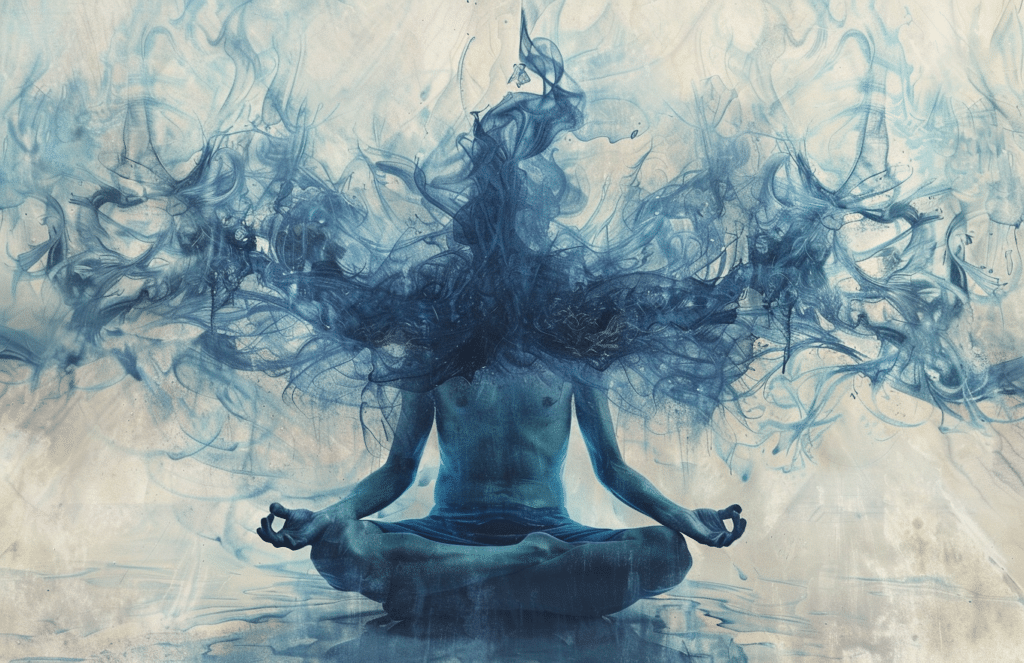
Meditation invites us to shedding these superficial layers of our personality and venturing into the deepest parts of our being. This process can feel uncomfortable and challenging, as it involves recognising and accepting parts of ourselves that we reject and tend to project onto others. Confronting our fears, insecurities and limitations can be experienced as a process of disintegration — one in which it seems as though we are losing our minds — but it is an inherent part of the purification process that meditation entails.
By allowing ourselves to be vulnerable and authentic, meditation offers us the opportunity to free ourselves from the burdens of the past and to live in the present moment with fullness and authenticity. As we break down the barriers that separate us from our true essence, we experience a sense of liberation and connection with ourselves and with the world around us.
The importance of guidance and support
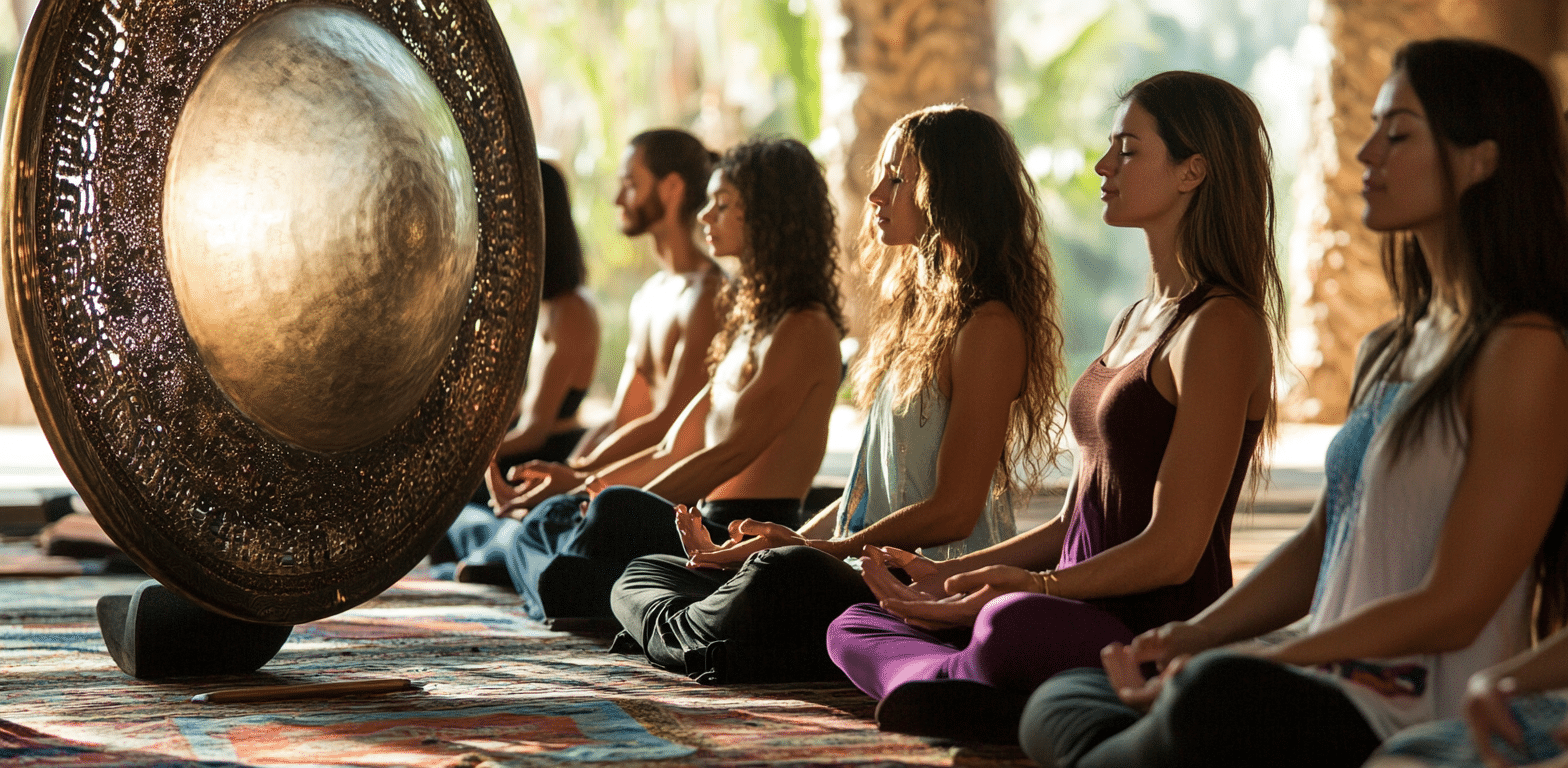
On our journey inward, it is crucial to have the right guidance and support. A mentor or a meditation group can provide us with the support we need to face the challenges that arise along the way. In addition, therapy and psychological accompaniment can be valuable tools for integrating the experiences that emerge during meditation.
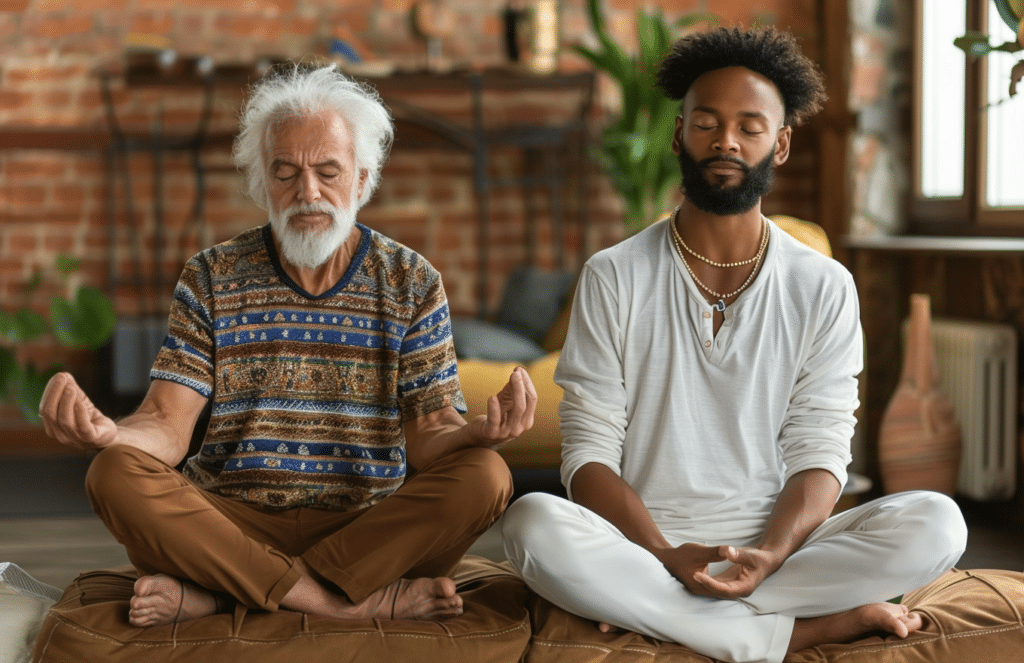
The support of a mentor, a meditation group or a therapist not only gives us a sense of community and belonging, but also provides us with the security and confidence we need to venture into the depths of our own mind. They remind us that we are not alone and that there are always resources available to help us navigate the turbulent waters of inner transformation.
Furthermore, therapy and psychological accompaniment can significantly complement our inner journey. By working with a therapist, we can explore more deeply the experiences and emotions that arise during meditation. This allows us to more effectively integrate and process any resistance or inner conflict that may emerge along the way.
Embracing the process of death and transformation that meditation entails
Although the process can be challenging, every obstacle we overcome brings us closer to our authenticity and allows us to live with greater fullness. In short, meditation not only offers calm and well-being, but also the opportunity to embrace the painful process of inner death and transformation.
The challenge of authenticity in meditation invites us to confront our perceptions and beliefs rooted deep in our subconscious, and to embrace our true nature with courage and compassion. It is through this process of self-exploration and acceptance that we find true inner peace and fulfilment.

Guidance and support are fundamental pillars on the path of meditation. Whether through the teachings of a mentor, the companionship of a meditation group or the support of a therapist, having these tools at hand can make our inner journey richer, more meaningful and more transformative.
Finally, I am leaving you a link to my post about how to learn to meditate from scratch, step by step. If you still have questions about your practice, do not hesitate to get in touch with me for personalised guidance, whatever your level 🙂